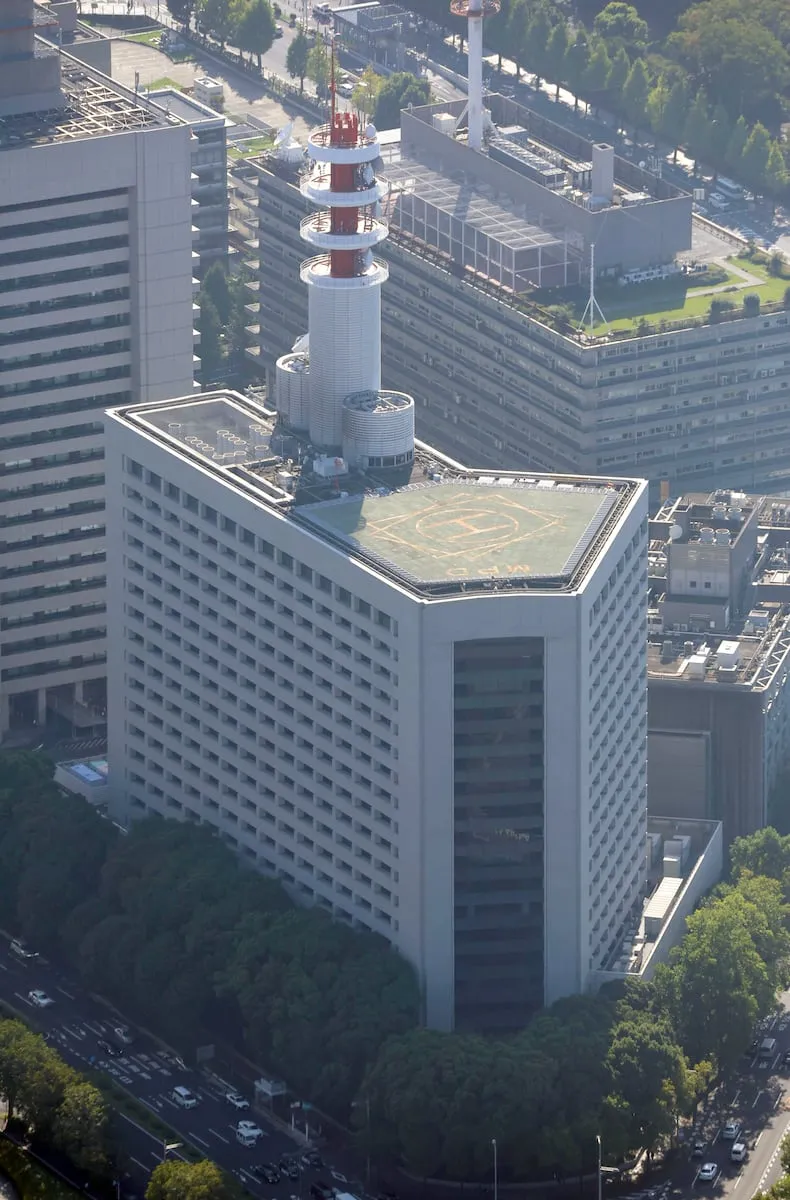
Tokyo’s renowned safety record was tested in the early hours of September 4, when a cluster of suspicious fires broke out within a compact residential area of Adachi Ward. The incidents, centered around Chuo-Honcho and reportedly contained within a roughly 100-meter radius, are under active investigation by the Ayase Police Station of the Tokyo Metropolitan Police Department (TMPD). While most fires were quickly extinguished, an elderly woman in her 80s suffered burns to her face after flames spread to the exterior of a two-story home. Authorities are looking into possible links between these cases and a series of minor fires reported in the same area since late August.
What happened overnight
According to police, the first call came at approximately 12:55 a.m. from a convenience store worker who reported a vending machine on fire. Acting swiftly, the staffer used the store’s extinguisher to douse the flames before firefighters arrived—a rapid response that likely prevented greater damage. Around 2:25 a.m., a patrolling police officer discovered a bicycle cover ablaze just a few dozen meters away, reinforcing concerns that the incidents could be connected. At about 5:10 a.m., another emergency call reported a burning tree nearby. In that same vicinity, flames reached the outer wall and fixtures of a two-story residence, injuring a woman in her 80s who lives there. She sustained facial burns and received medical attention. No fatalities have been reported.
Recent pattern: six fires in a small radius
Police say that since late August, the area has seen a total of six fires, including three earlier incidents between August 24 and September 3 in which a wooden shed and posters were set alight. The tight clustering within about 100 meters and the late-night timing have raised the possibility of a single perpetrator or copycat behavior. No arrests had been announced as of publication, and investigators are working to determine whether the fires constitute arson.
Police response and community vigilance
The TMPD’s Ayase Police Station has stepped up patrols and is appealing for information from anyone who may have noticed unusual activity in the area. Japan’s community-oriented policing model—marked by frequent foot patrols and the presence of local police boxes, or koban—often helps detect and deter such incidents quickly. In this case, alertness by a store clerk and a patrolling officer helped limit damage and likely reduced the risk to nearby homes.
Context for residents and newcomers
Adachi Ward, in northeastern Tokyo, is a largely residential district known for its parks, riverside spaces, and easy access to central Tokyo. While Japan consistently ranks among the safest countries in the world, suspicious fires (often referred to as “fushinka”) are treated with utmost seriousness. Under Japanese law, arson—especially involving inhabited buildings—carries severe penalties, reflecting strong societal emphasis on public safety. For residents, including expatriates, practical steps can make a difference: store fire extinguishers in accessible places, keep combustible items (like cardboard, posters, and bicycle covers) away from entrances and shared corridors, and promptly report any smoke, unusual smells, or late-night tampering to 110 (police) or 119 (fire and ambulance). Many convenience stores in Japan train staff in basic emergency response and maintain extinguishers, contributing to the country’s quick, community-based reaction when incidents occur.
Why it matters
Although isolated and still under investigation, the Adachi fires highlight how Japan’s layered approach—vigilant residents, responsive retailers, routine police patrols, and strict fire codes—helps prevent small blazes from becoming major tragedies. For foreign residents and visitors, the episode is a reminder that Japan’s safety net is robust and collaborative: authorities move fast, and community members play a key role. Anyone with relevant information is urged to contact the Ayase Police Station. As the investigation proceeds, expect continued patrols and heightened awareness across the neighborhood, underscoring Tokyo’s commitment to keeping its streets among the safest in the world.