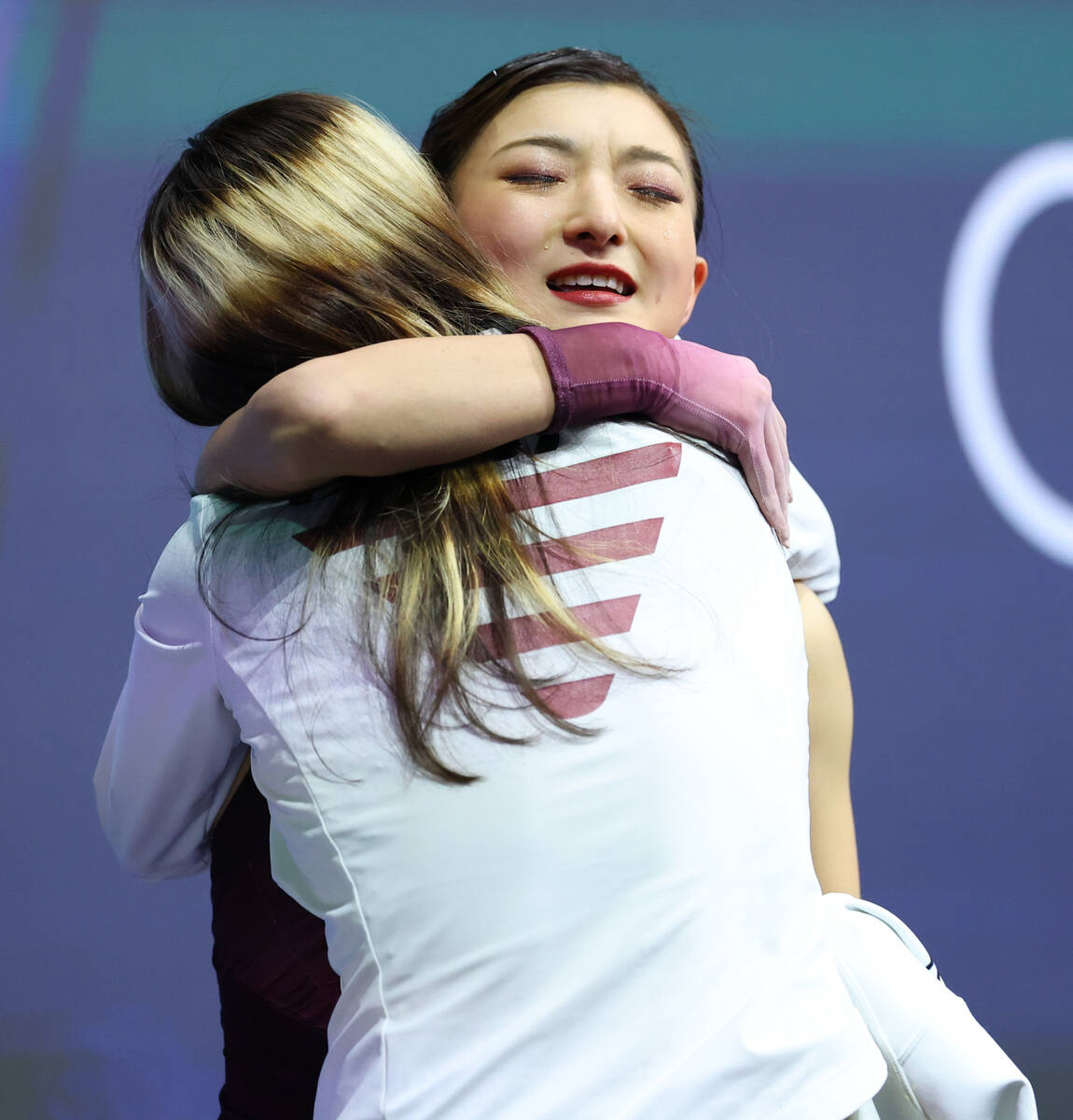
Japan’s face-framing finesse lands in the spotlight
In Tokyo, where precision haircutting is a point of national pride, the latest conversation in beauty isn’t about covering the face—it’s about how to reveal it. Salon manager and stylist Keisuke Haraki of Grace Avenue in Minato Ward explains that a carefully planned cut around the face can create a convincing “small face” effect, a long-standing Japanese aesthetic known as kogao. His guidance underscores why the right fringe width, side-bang length, and silhouette matter more than simply draping hair across the cheeks.
The fringe rule: narrow, then tailored
Haraki says today’s trend starts with a narrower fringe: set the bangs from just inside the iris of one eye to the inside of the other. From there, allow the hair at the temples to grow gradually longer so it skims the cheekbones and connects seamlessly with the sideburns. This arc refines the face line and directs the eye inward. But he stresses there is no one-size-fits-all approach. Face framing doubles as “bone-structure correction,” meaning the golden proportions change by individual. For longer faces, widening the fringe slightly can balance vertical length; for rounder faces, trimming a bit shorter can add definition. Even a one-centimeter tweak to the fringe can subtly shift how centralized (or diffused) the features appear, so consultation and micro-adjustments are key.
Puffiness paradox: show the jaw for a slimmer look
Counterintuitively, those concerned about puffiness may look sleeker by revealing—not hiding—the jaw. According to Haraki, for people with a squarer base shape or fullness around the lower cheeks, the neck’s proportions are critical. If the neck is on the shorter or thicker side, or if the trapezius and upper-body muscles are pronounced, it often helps to clean up the neck area and intentionally expose the jawline to visually lighten the head-to-shoulder balance. Conversely, those with a long, slender neck and a delicate upper body tend to benefit from keeping hair around the neck to “wrap” the area, adding harmony to the overall silhouette. The takeaway: how much to leave or reveal at the sides depends on more than the face; it’s a head–neck–shoulder equation.
“Okurege” finesse: the cutest finish is in the details
For soft, pretty tendrils (“okurege”) that read modern rather than messy, Haraki recommends gently pulling a small amount of hair from the temple to just in front of the ear, then working in balm or wax with pinching motions. Split this into two or three delicate bundles to create intentional spacing, and touch the ends with a hint of oil for lightness and shine. Each bundle should be no thicker than two to three toothpicks—fine enough to float, not clump.
Profile perfection: three steps to a sharper side view
To craft a “profile beauty” look, Haraki highlights three moves. First, add face-framing layers to fine-tune proportions and boost the small-face effect. Second, cut the sideburn area to a length just below the jaw, then use an iron to create an inward curve—do not simply wear it straight down. Third, style the entire outline into a diamond-shaped silhouette, counting those set sideburns as part of the geometry. That diamond framing makes the jawline appear cleaner and more sculpted.
Why Japan leads in subtle, structure-savvy cuts
Japan’s salon culture is renowned for meticulous technique and client-first consultation, and the kogao ideal reflects a broader national appreciation for harmony and proportion. From Omotesando to Minato, stylists often map the face against the neck and collarbone to engineer balance from every angle. For visitors and new residents, this attention to millimeters can be revelatory: the smallest adjustment can transform the way the face reads—on camera and in daily life.
For expats and travelers: how to ask for it
If you are booking a Tokyo appointment, arrive with reference photos and clear requests: “inner-iris fringe,” “face-framing layers,” “sideburn length to just below the jaw,” and a “diamond silhouette” finish. Mention whether your neck is long or short, and whether you prefer to reveal or soften the jawline. A professional will then tailor fringe width and temple length to your bone structure. As Haraki emphasizes, the trend is a starting point; the best result is always personal. In short, trust the craft—Japan’s stylists excel at it.
Bottom line: Don’t hide everything. Frame smartly, style deliberately, and let a trained eye balance face, neck, and shoulders. In Tokyo’s hands, subtlety is a feature—not a filter.