Social Media Puts a Spotlight on a Quiet Family Strain
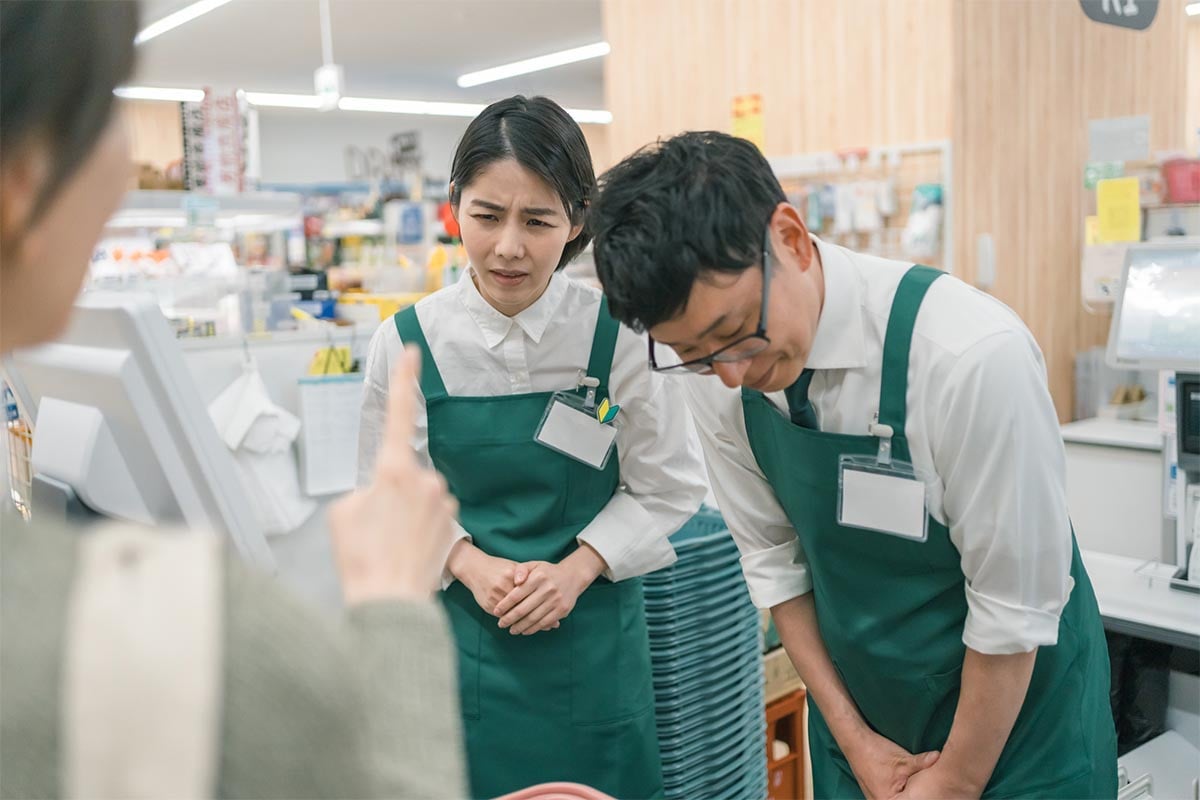
In Japan—where customer service is renowned for its polish and patience—frontline workers have long dealt with the “kuremaa,” or serial complainer, who lodges persistent, often hostile grievances about products or services. What’s striking now is a wave of posts on Japanese social media from people saying the problem isn’t just at the counter—it’s at home. Family members describe parents, in-laws, or spouses who berate shop staff, challenge hospital procedures, or call city offices over minor frustrations. The discussion, compiled by Japanese media and widely shared online, offers an unfiltered view of how a small but visible minority can create outsized stress in one of the world’s most service-conscious societies.
Who Are the “Kuremaa”—And Why at Home?
Many posts describe older relatives—grandparents or parents—who sincerely believe they are “correct,” drawing on long life experience to justify stern demands. Some commenters say their mothers complained so aggressively to hospital nurses that they were warned off or reportedly banned. Others note fathers who deliver lengthy lectures to clerks, talking “like a boss” to younger staff. There are also accounts of husbands who push back sharply against school policies or phone city halls to chastise officials. Supporters defend speaking up against mistakes, but families worry these behaviors intensify with age, raising questions about boundaries, dignity, and how to maintain harmony in public spaces.
Culture Matters: Omotenashi and the “Customer Is God” Echo
Context helps. Japan’s celebrated omotenashi—the ethos of anticipatory, generous hospitality—sets high expectations for service quality and politeness on both sides of the counter. A popular phrase from decades ago, “okyakusama wa kamisama” (“the customer is like a deity”), still echoes for some older consumers who grew up during a service boom and rapid economic growth. While most Japanese customers are exceedingly courteous, a minority interpret the old slogan as license to demand more than is reasonable. Recently, businesses, labor groups, and local governments have begun addressing “customer harassment” (often called “kasutahara”) to protect workers while preserving Japan’s hallmark warmth in service.
The Hidden Toll on Families and Workers
Families say they often serve as on-the-spot mediators. Daughters apologize to staff after a parent’s outburst; spouses gently steer conversations away from confrontation, hoping to prevent escalation in public. For frontline workers—from retail cashiers to hospital staff—serial complaints can create anxiety, slow service for other customers, and divert attention from care or safety. In healthcare settings, where rules protect patients and staff, repeated disruptive behavior may lead to warnings or service restrictions, underscoring that Japan’s commitment to kindness also coexists with procedures designed to keep everyone safe.
What People Are Trying—and What Might Help
Online commenters share practical tactics. Some suggest intervening early—discouraging nitpicking in youth to prevent it hardening into habit. Others recommend privately recording audio of a relative’s tirade (where lawful and appropriate) and playing it back at home to build self-awareness without public embarrassment. Calm scripts can help: acknowledging feelings (“I see why you’re upset”) while redirecting to solutions (“Let’s ask what they can do within policy”). If behavior appears out of character or worsens quickly, families consider consulting medical or social-care professionals, since hearing issues, stress, or cognitive decline can amplify irritability. Crucially, many note it’s okay to set limits, step away, and let trained staff handle the interaction—most Japanese businesses have clear procedures and appreciate respectful space to resolve issues.
For Foreign Residents and Visitors: Navigating with Confidence
Japan remains one of the world’s most courteous places to shop, dine, and receive care. If you encounter a serial complainer—whether a stranger or an in-law—staying composed aligns with local norms. Simple phrases such as “sumimasen” (excuse me) and “onegai shimasu” (please) help de-escalate, while giving staff room to follow policy usually speeds resolution. Remember: the visible few do not define the many. The ongoing public conversation shows a society actively refining the balance between exceptional service and worker well-being—an encouraging sign for residents, travelers, and the teams who keep Japan’s service culture so admired.
Why This Matters Now
With about 29% of Japan’s population aged 65 or older, households and businesses are navigating new dynamics around communication, expectation, and care. The social media debate highlights a shared desire to keep Japan’s civility strong while protecting staff across hospitals, schools, shops, and city offices. The message is pragmatic and hopeful: speak up for fairness, yes—but do it with respect, empathy, and an eye toward the community Japan is proud to sustain.