Tokyo Police Mobilize to Support Kumamoto After Powerful Shaking
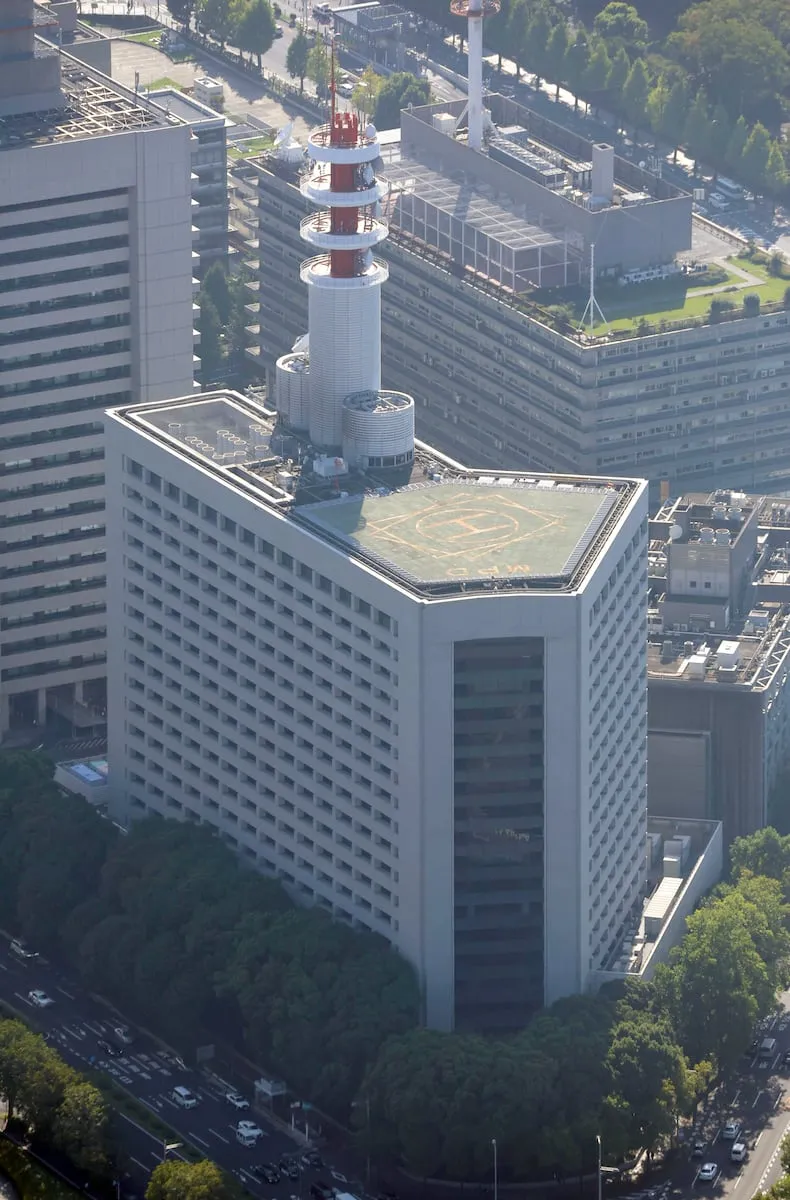
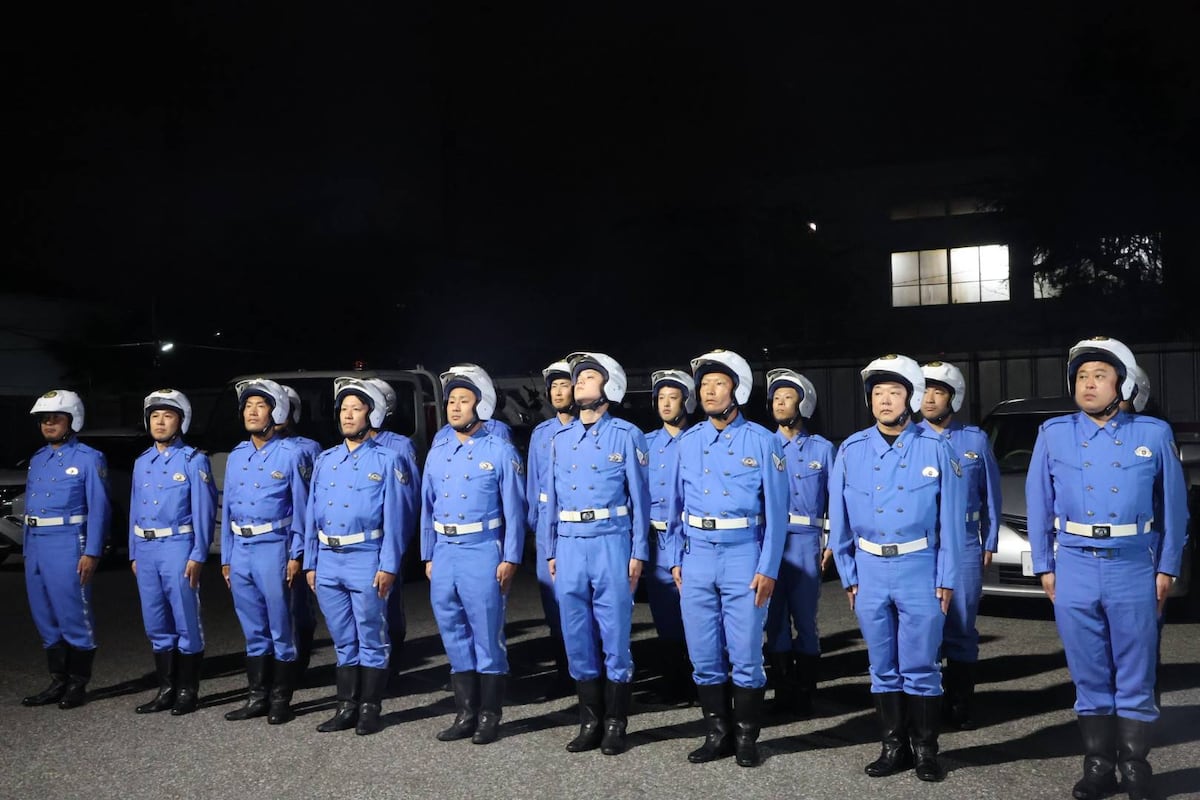
Japan’s Metropolitan Police Department (MPD) has dispatched a large traffic-focused emergency unit to Kumamoto Prefecture after an earthquake that registered the maximum intensity of Shindo 7 on the Japan Meteorological Agency (JMA) scale. The Wide-Area Emergency Assistance Team (Kōiki Kinkyū Enjotai) departed by road at 10 p.m. on the 3rd from the MPD’s 4th Traffic Mobile Unit base in Tokyo’s Adachi Ward, with arrival in Hikawa Town, Kumamoto, expected as early as the late night of the 4th. The deployment underscores Japan’s emphasis on rapid, disciplined logistics to protect lives in the crucial first days after a major disaster.
Who Is Deploying—and Why It Matters
The MPD is sending a total of 120 officers drawn from six traffic mobile units and the highway patrol, supported by 45 vehicles. The contingent’s mission is clear: keep the relief lifeline open. At expressway entrances in Kumamoto Prefecture, teams will conduct vehicle selection—prioritizing ambulances, fire services, police, Self-Defense Forces convoys, utility crews, and trucks carrying relief supplies—so essential traffic can move smoothly and without delay. Operations are planned through the 9th, with timings and locations adjusted to local conditions.
“We will stand alongside those enduring immense hardship and do everything in our power to help,” said Deputy Commander Hideki Yoshinaga at the send-off ceremony. “Our focus is to support the affected communities and ensure relief reaches them quickly.”
Why Traffic Control Is a Lifesaving Function
In the immediate aftermath of a severe earthquake, the difference between gridlock and a free-flowing corridor can be measured in lives saved. Japan treats roads as disaster lifelines, and trained traffic units deploy early to separate essential from non-essential vehicles, prevent bottlenecks near interchanges, and maintain predictable travel windows for emergency services. By regulating entry at key on-ramps, police reduce secondary accidents, enable heavy equipment to reach damaged areas, and protect fuel and food delivery schedules—fundamental steps for stabilizing communities and powering recovery.
Understanding “Shindo 7”
Unlike magnitude, which reflects energy released at the source, the JMA’s Shindo scale measures the intensity of shaking at a particular location. Shindo 7 is the maximum intensity reading, indicating extreme shaking capable of causing severe damage. For residents and visitors, this means that even areas close together can experience very different levels of impact—and that precise, localized responses are essential. Japan’s emergency protocols are built around this reality, with police, fire, medical, and infrastructure teams coordinating by zone.
Japan’s Coordinated, Nationwide Response
Japan’s disaster management framework emphasizes inter-prefectural support. When a local police force faces an incident of national scale, the MPD’s Wide-Area Emergency Assistance Team can deploy across prefectural lines to reinforce operations requested by local authorities. These deployments integrate with municipal command posts, fire and rescue services, the Self-Defense Forces, and utilities—an approach refined through decades of planning and drills. The result is a disciplined, modular system that can deliver exactly the capability needed, from traffic engineering and search-and-rescue security to communications support and public safety.
Guidance for Residents, Travelers, and the International Community
- Expect traffic controls at expressway on-ramps in affected areas; follow police instructions and postpone non-essential driving to keep lanes clear for emergency vehicles.
- Stay tuned to local government announcements and the Japan Meteorological Agency for updates on aftershocks and safety advisories.
- If you live in Japan or are visiting, prepare ID and residence information in case of evacuation checks, and keep phones charged for emergency alerts.
- Businesses and logistics operators should coordinate delivery schedules with authorities; prioritized access may be in effect for relief cargo.
What Comes Next
The MPD unit intends to operate through the 9th, subject to on-the-ground needs. As assessments of damage and access routes evolve, police may reposition checkpoints, adjust traffic prioritization, and coordinate closely with local prefectural police to transition from emergency controls to stabilized traffic patterns. This deployment once again highlights a defining strength of Japan’s crisis response: an ability to mobilize quickly, manage complexity calmly, and keep vital lifelines open for communities when they need them most.