International media are zeroing in on Japan’s best-in-class earthquake readiness after a powerful quake in Kumamoto Prefecture registered a maximum seismic intensity of 7 on Japan’s shindo scale. While the nation’s strict building codes and regular disaster drills again drew praise for limiting casualties in the initial shaking, coverage now highlights a second phase of challenges: heat, disrupted lifelines, and the cascading risks that follow the first jolt. The global response—in donations, supplies, and solidarity—underlines how Japan’s resilience architecture is seen as a model with lessons far beyond its shores.
What the world is saying
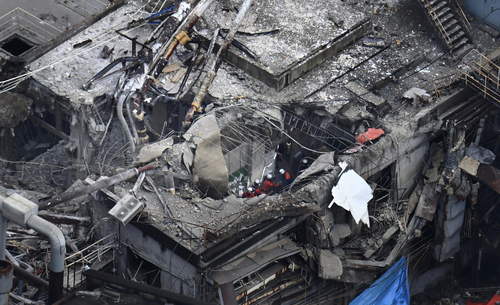
The Wall Street Journal, in a July 29 report referencing an explosion incident at Aeon Mall Kumamoto, noted that Japan’s rigorous codes mean most structures withstand even the strongest quakes—yet the toughest test can come after the shaking stops. Reuters echoed that while stringent standards and routine drills have helped reduce fatalities, powerful tremors can still paralyze regional functions from transport to utilities. The New York Times spotlighted a “double disaster” in the hardest-hit areas: quake damage compounded by extreme summer heat, a combination that strains evacuees and responders alike.
Across Asia, regional outlets drew lessons from Japan’s approach. Hong Kong’s Ming Pao reported on Japan’s long-running, large-scale investment in earthquake detection and research, with expectations that this know-how can reduce disasters globally. In Iran—where past quakes have been devastating—the moderate news site Khabar Online asked what can be learned from Japan, contrasting Japan’s enforcement and education with Iran’s aging buildings and patchy compliance. The outlet urged upgrades to seismic structures, early warning systems, public education, and disaster management investment. South Korea’s Dong-A Ilbo described evacuees’ daily hurdles amid water and fuel shortages, calling it an escalating “battle against secondary damage.”
Why Japan’s system matters
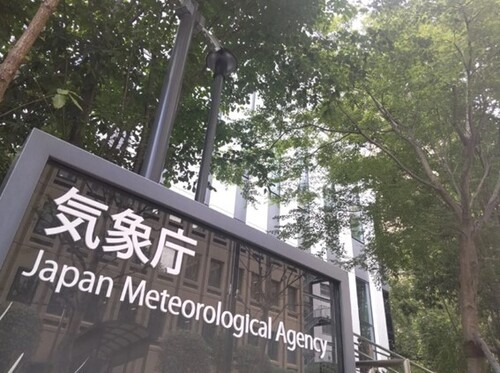
Japan’s modern seismic regime is the product of hard-won lessons. Major revisions to building standards in 1981 (often called “new anti-seismic” or shin-taishin) tightened design requirements, and subsequent quakes—from the 1995 Great Hanshin-Awaji earthquake to 2011’s Great East Japan Earthquake—spurred further upgrades, including retrofitting and lifeline resilience. The Japan Meteorological Agency’s Earthquake Early Warning system, combined with strict construction codes, fire safety measures, and regular nationwide drills (notably around Disaster Prevention Day on September 1), has helped turn awareness into practical readiness. Schools and workplaces rehearse evacuation and first-aid protocols, and local governments maintain shelters and stockpiles—elements that reduce loss of life when seconds count.
Secondary risks come to the forefront
As global coverage notes, the aftermath often defines the true scale of a disaster. Heat stress at evacuation sites, power and water interruptions, fuel shortages for logistics and generators, and isolated facility incidents such as the reported explosion at Aeon Mall Kumamoto become critical pressure points. Japan’s challenge—and example to others—is how quickly authorities, utilities, and communities can stabilize these cascading risks through inspections, safety checks, and rapid restoration of lifelines.
Worldwide solidarity—and strategic implications
Support has been swift. The U.S.-Japan Foundation called for donations, raising $24,057 (around ¥3.76 million) as of August 3. X JAPAN leader Yoshiki, based in the United States, contributed ¥10 million through a U.S. nonprofit. Apple CEO Tim Cook posted that Japan holds a “special place” in his heart and signaled the company’s intent to donate. From South Korea, Korean Air delivered 12,000 bottles of drinking water, while Chungcheongnam-do—Kumamoto’s sister region—said it is exploring assistance. Taiwan’s leaders, including President Lai Ching-te and Vice President Hsiao Bi-khim, along with opposition figure Cheng Li-wen of the Kuomintang, pledged NT$1 million (roughly ¥5 million). Cities such as Kaohsiung opened donation channels, and convenience stores across Taiwan launched in-store fundraisers. Semiconductor giant TSMC committed ¥250 million, reflecting both humanitarian goodwill and Taiwan-Japan industrial ties centered on Kyushu.
Messages of solidarity arrived from Turkey and Egypt’s foreign ministries, as well as Saudi Arabia’s Crown Prince Mohammed bin Salman and the United Arab Emirates. In contrast, coverage in mainland China’s state media appeared limited, with more attention on Tokyo’s defense policy; unlike the 2016 Kumamoto quake, when President Xi Jinping sent condolences within a week, no similar message had been publicized at the time of writing—an omission observers link to persistently cool bilateral relations.
What to watch
Japan’s strengths lie in prevention, enforcement, and rapid coordination. Next steps include continued safety inspections to reduce fire and gas risks, accelerated restoration of power and water, and heat-mitigation measures at shelters. Businesses are working to resume operations with safety first, while local and national agencies align logistics and health services. For global readers—and cities on seismic faults—the Kumamoto experience reinforces a clear point: strict building codes, early warnings, and a culture of drills save lives in the first minutes, but planning for secondary impacts saves communities in the critical days that follow. Japan’s approach, continuously refined through experience and science, remains a valuable template for resilience worldwide.