Paris/Tokyo—Following an earthquake in Kumamoto Prefecture on the 29th (local time), European leaders moved swiftly to express support for Japan, underscoring the strength of ties with one of Europe’s most important partners in the Indo-Pacific. Messages shared on social media by France’s President Emmanuel Macron, Italy’s Prime Minister Giorgia Meloni, and European Commission President Ursula von der Leyen highlighted solidarity with victims, their families, and the first responders working around the clock.
Messages from Europe
President Emmanuel Macron wrote that France “expresses heartfelt solidarity to the people of Japan,” adding that his thoughts are with the victims, their families, and those dedicated to life-saving efforts. Italy’s Prime Minister Giorgia Meloni also posted her condolences “to the people of Japan” after a “strong earthquake struck Kumamoto Prefecture,” emphasizing that her thoughts are with the affected residents and the rescue teams on the ground.
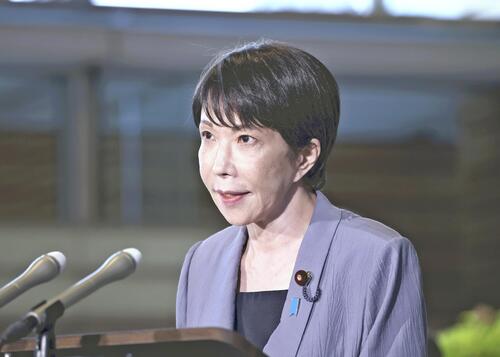
In her message, Prime Minister Meloni additionally addressed “my friend, Prime Minister Sanae Takaichi, and everyone in Japan.” Sanae Takaichi is a senior Japanese lawmaker and cabinet minister; the social media wording referring to her as prime minister does not reflect her current role, but underscores close personal ties between Italian and Japanese political leaders. European Commission President Ursula von der Leyen added a broader message: “To our partner Japan. In this difficult time, Europe stands with you.”
Why this matters
Japan and Europe have deep, long-standing partnerships spanning trade, security, technology, and disaster resilience. Expressions of solidarity are not only symbolic; they can translate into practical cooperation, ranging from information-sharing on seismic safety to coordination on humanitarian assistance if requested. For Japan—one of the world’s most seismically active nations—international goodwill reinforces confidence in the country’s robust disaster response systems and its central role in global resilience planning.
Context: Kumamoto and Japan’s preparedness
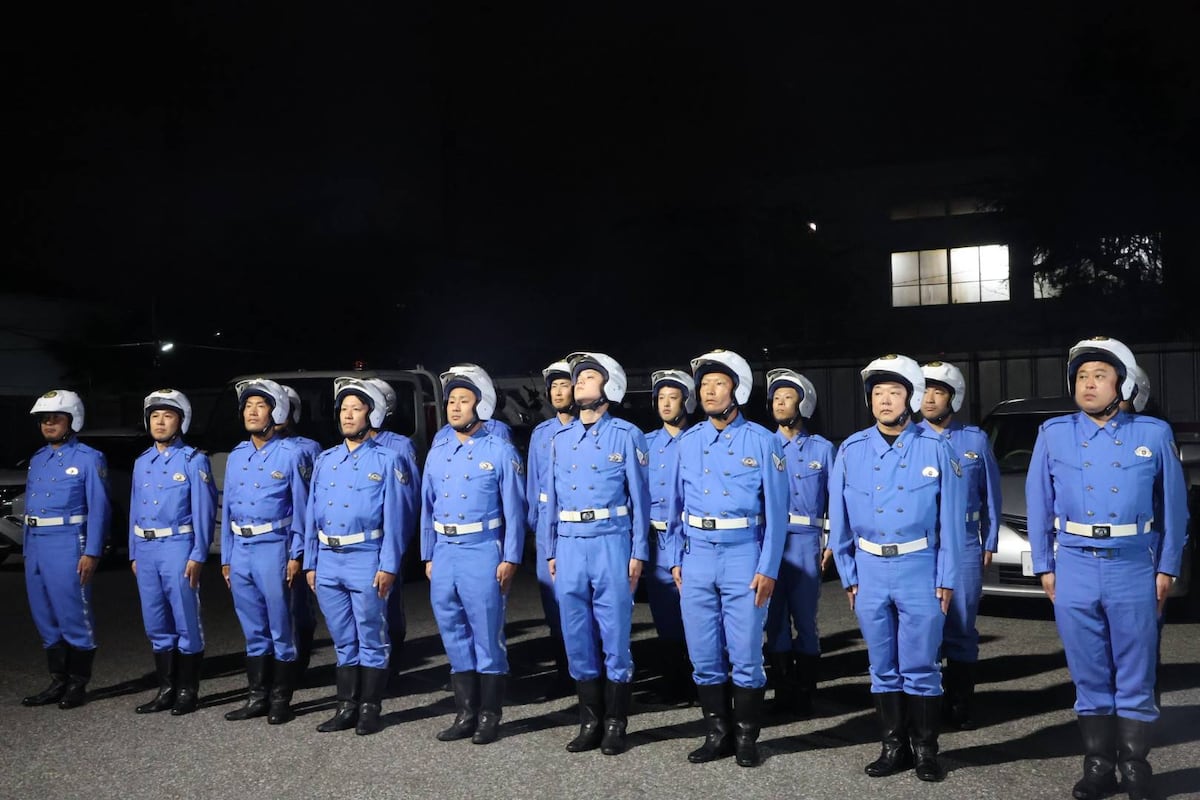
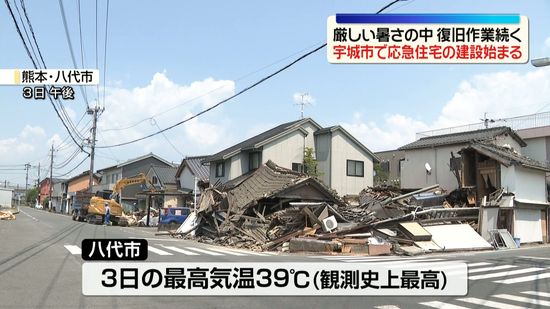
Kumamoto Prefecture, on Japan’s southern island of Kyushu, is no stranger to seismic activity. The region experienced a devastating series of earthquakes in 2016 that prompted sweeping improvements in response coordination, building standards enforcement, and community-based preparedness. Japan’s nationwide early-warning alerts, rigorous construction codes, and high public awareness have since been credited with reducing casualties in many incidents and speeding recovery.
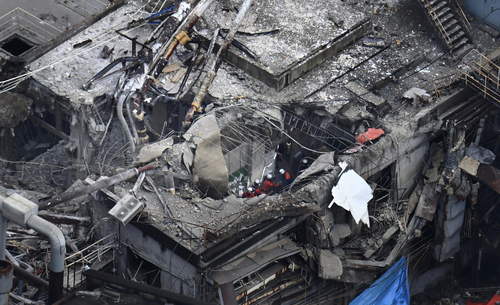
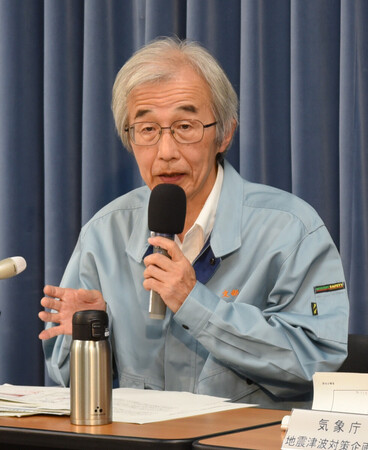
While details of the latest quake’s full impact were still emerging at the time of the leaders’ messages, the immediate outreach from Paris, Rome, and Brussels affirms the international community’s respect for Japan’s resilience and its people’s discipline in crisis. For residents and visitors alike, local governments in Kyushu routinely provide multilingual guidance, and national broadcasters such as NHK World disseminate real-time updates. The Japan Meteorological Agency (JMA) leads on official earthquake and tsunami advisories.
A model of cooperation
Japan’s experience in disaster management is widely studied by European partners. Joint drills, university exchanges on urban resilience, and technology collaborations—such as seismic isolation engineering and rapid damage-assessment tools—reflect a mature, two-way relationship. If future needs arise, Europe’s civil protection frameworks and Japan’s disaster relief capabilities can align quickly, as they have in past international emergencies.
Implications for residents, travelers, and businesses
For foreign residents and travelers in Kyushu, officials recommend monitoring local advisories, preparing a basic emergency kit, and confirming meeting points with family or colleagues. Businesses operating in the region often have continuity plans that dovetail with municipal guidance, a hallmark of Japan’s integrated public–private resilience model.
The latest expressions of support from Europe carry a clear message: Japan does not face natural challenges alone. With long-term partners ready to stand by its side—and with Japan’s own world-leading expertise—the path from response to recovery is rooted in preparation, cooperation, and community spirit. In moments like this, Japan’s strengths are on full display: calm professionalism, life-saving efficiency, and the quiet courage of neighbors helping neighbors.
The bigger picture
Beyond the immediate situation in Kumamoto, the swift statements from President Macron, Prime Minister Meloni, and President von der Leyen reaffirm the strategic importance of the EU–Japan relationship. From green technology to supply-chain resilience and humanitarian aid, Japan remains a trusted partner. As updates continue, the focus stays on supporting affected communities, honoring first responders, and learning—once again—why Japan’s preparedness and solidarity command global respect.