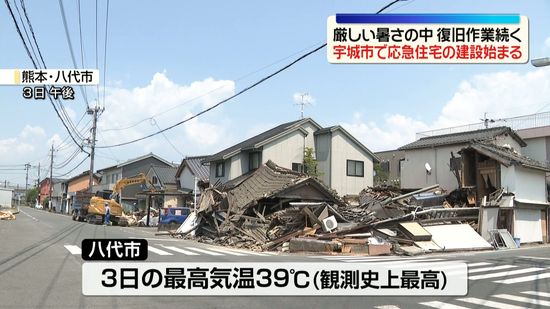
Japan has moved swiftly to support communities struck by the earthquake centered in Kumamoto Prefecture, leaning on a proven “push-type” aid strategy that delivers relief without waiting for formal requests from local authorities. With parts of the region facing power outages and midsummer temperatures, the government has prioritized heatstroke prevention—sending water, food, air conditioners, and mobile power vehicles to evacuation sites and key facilities.
Rapid relief, tailored to summer conditions
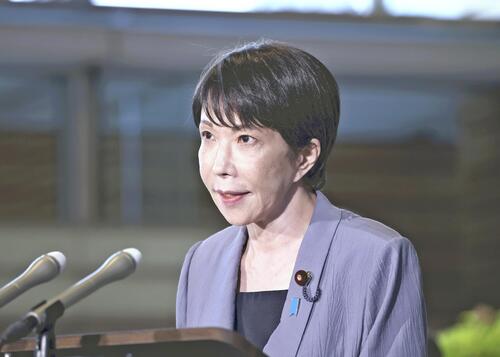
At an emergency disaster response meeting on the 29th, Prime Minister Takaichi urged ministries and agencies to precisely identify the needs of evacuees and municipalities, and to secure a safe, comfortable shelter environment that includes robust heatstroke countermeasures. Emphasizing interagency coordination, she said the government is concentrating its capabilities on “push-type support” to keep relief flowing as situations evolve.
Defense Minister Koizumi announced that the Air Self-Defense Force has airlifted around 300 air conditioner units to Kumamoto, a targeted step to cool evacuation centers and medical sites during the heat. Authorities also pledged to ensure fuel supplies for people forced to sleep in their cars because of aftershocks or damaged homes—an increasingly common scenario in Japan’s disasters and one that requires reliable gasoline access and careful health precautions.
What “push-type” support means—and why it matters
Japan first deployed the “push-type” model during the 2016 Kumamoto earthquake. The approach reverses the traditional request-based system by mobilizing essential supplies in advance, using data, past experience, and real-time assessments to anticipate needs when local governments are overwhelmed. Officials close to the prime minister say Japan has built up valuable know-how since 2016, enabling smoother last-mile delivery even under pressure.
This year’s response zeroes in on heat risks. With power disruptions reported, keeping shelters cool and people hydrated is urgent for evacuees, first responders, and volunteers. Alongside water and ready-to-eat meals, authorities are deploying power supply trucks to run cooling equipment and charge devices, aiming to stabilize daily life as infrastructure is restored.
Self-Defense Forces on the ground
Approximately 4,600 Self-Defense Forces personnel are engaged in rescue, water distribution, and logistical operations. In a briefing to senior officials, Minister Koizumi directed the Defense Ministry and SDF to act with the determination to “do everything possible,” underscoring Japan’s whole-of-government posture in the crucial first 72 hours after a major quake.
Context for international readers and residents
Japan’s disaster readiness blends hard-won experience with technology and coordination. From the 2011 Great East Japan Earthquake to Kumamoto in 2016 and other recent events, authorities have continually refined response playbooks—improving supply chains, evacuation planning, and multilingual communication. For foreign residents and travelers in Japan, local city websites, community centers, NHK World-Japan, and the national Safety Tips app offer updates, shelter locations, and hazard information in multiple languages.
Health guidance is also critical: keep hydrated, take cooling breaks, and use designated cooling shelters when available. For those sheltering in vehicles, ventilate properly and avoid prolonged engine idling in enclosed spaces; move and stretch regularly to reduce the risk of deep vein thrombosis. Follow municipal instructions on fuel distribution and generator use, and check official channels for boil-water advisories or road closures.
Looking ahead
As aftershocks continue, Japan’s decisive airlift of 300 air conditioners and its broader “push-type” logistics underline a proactive, people-first approach. By combining rapid air and ground delivery, interagency coordination, and clear public guidance, Japan aims not only to stabilize the immediate situation in Kumamoto but also to set a high bar for disaster management in a warming world where extreme heat compounds earthquake risks.