Fast reopenings showcase Japan’s resilience
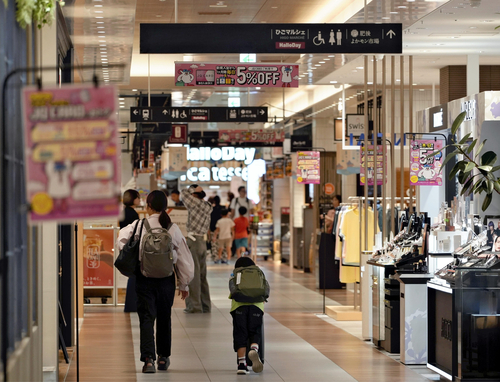
Retailers and restaurants across Kumamoto are steadily reopening after the July 28 earthquake, underscoring Japan’s well-drilled approach to safety checks, logistics, and community support. By the 3rd, Amu Plaza Kumamoto—an anchor commercial complex directly connected to JR Kumamoto Station—returned to normal operations across the building after confirming safety, despite earlier damage to escalators. Operations on floors two through seven, which include apparel stores and a cinema, have restarted. “We hope to support daily life, even in a small way. We want to send out Kumamoto’s energy from here,” said Shiro Nagata, president of the operating company, capturing the city’s determination to resume daily rhythms quickly and safely.
Convenience stores restore lifelines
Japan’s convenience stores—often the first lifelines after disasters—have come back online with remarkable speed. Lawson and FamilyMart reported that by the 3rd, nearly all stores in Kumamoto Prefecture had resumed operations. Seven-Eleven Japan, which at one point had around 100 outlets temporarily closed in the prefecture, said that number had fallen to just 15 as of 5 p.m. on the 3rd. These swift reopenings matter far beyond snacks and beverages: conbini are essential hubs for water, ready-to-eat meals, phone charging, and basic supplies, particularly valuable to residents, travelers, and expats navigating short-term disruptions.
Dining chains restart service, with a few holdouts
In the restaurant sector, family-dining chain Joyfull initially paused all 45 of its Kumamoto Prefecture locations for safety inspections; only one outlet in Yatsushiro remains without a set reopening date. Japan McDonald’s said more than 20 outlets were forced to close in the immediate aftermath, with 16 locations still temporarily shut in areas where water and power have yet to be fully restored. For visitors and residents, most dining options are back, but it’s wise to check store updates before heading out, especially in neighborhoods where utility restoration is ongoing.
Manufacturers juggle parts supply and safety
Japan’s auto manufacturers are adjusting production schedules as they work through parts supply concerns—an expected challenge in a just-in-time ecosystem following a regional quake. Honda announced temporary production halts at its Saitama plant from the 5th to 7th and at its Mie plant from the 6th to 7th (with some lines exempt), supplementing the ongoing suspension at its Ozu, Kumamoto plant since July 28. Mitsubishi Motors, meanwhile, expects to fully resume operations at its Okayama facility from the 5th, a signal that conditions are stabilizing in parts of the supply chain. Aisin, a major auto parts supplier, restarted partial production on August 2 at its Kumamoto City plant, including door components and engine-related items—key steps toward normalizing output across the industry.
Nissan trims output but targets quick normalization
Nissan said on the 3rd that a partial suspension at a subsidiary’s plant in Fukuoka from July 30 to August 5 will mean a production reduction of roughly 5,000 vehicles. Executive Ivan Espinosa told reporters the company aims to “normalize as quickly as possible,” reflecting the broader industry’s blend of caution and urgency. For global observers, these measured adjustments highlight how Japanese manufacturers prioritize worker safety and product quality while moving decisively to restore output.
What this means for travelers, expats, and investors
For people in Kumamoto and across Kyushu, the rapid return of retail and dining is a reassuring sign that everyday services are stabilizing. JR-connected hubs like Amu Plaza Kumamoto help revive city centers quickly by concentrating essential shopping and entertainment under one roof. Travelers can expect most stores and many restaurants to be open, with a handful of exceptions where utilities are still being restored. Expats and international students will find that Japan’s disaster readiness—rigorous building codes, swift inspections, and coordinated logistics—helps daily life rebound with pace and predictability. For investors and supply chain managers, the picture is nuanced but positive: short-term production adjustments are being balanced by quick restarts at key parts makers, indicating that bottlenecks, while real, are being actively cleared. The overarching message from Kumamoto is unmistakable: Japan’s commitment to safety, service continuity, and community support remains one of its greatest strengths.