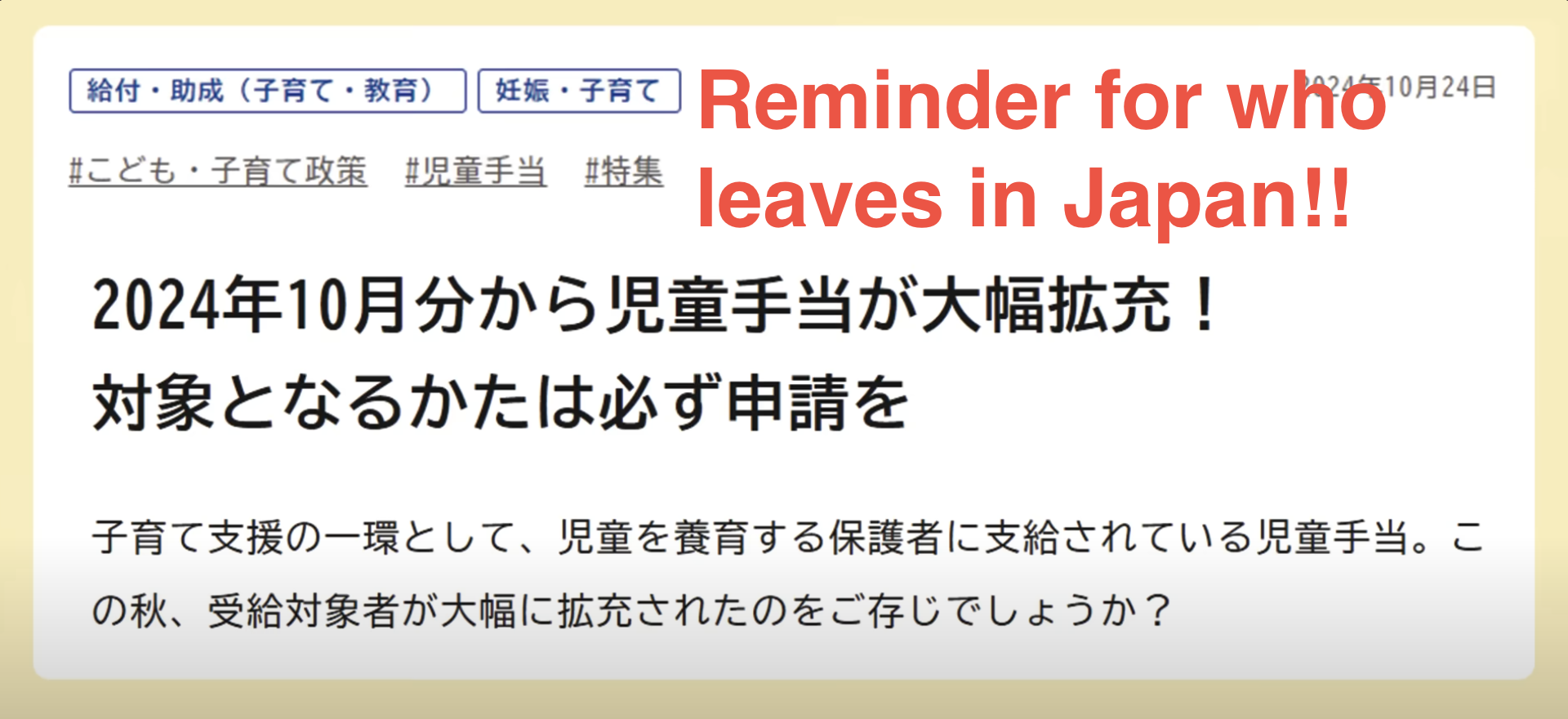
A Turning Point for Family Support
Starting in October 2024, Japan has introduced a significant expansion of the Child Allowance program. While this financial support has long been a cornerstone of family assistance, the latest reforms make it more inclusive and generous than ever. For parents raising children, missing out due to overlooked applications could mean losing substantial benefits.
Key Changes Families Should Note
Four major updates reshape the way households will receive support:
1. Removal of Income Limits
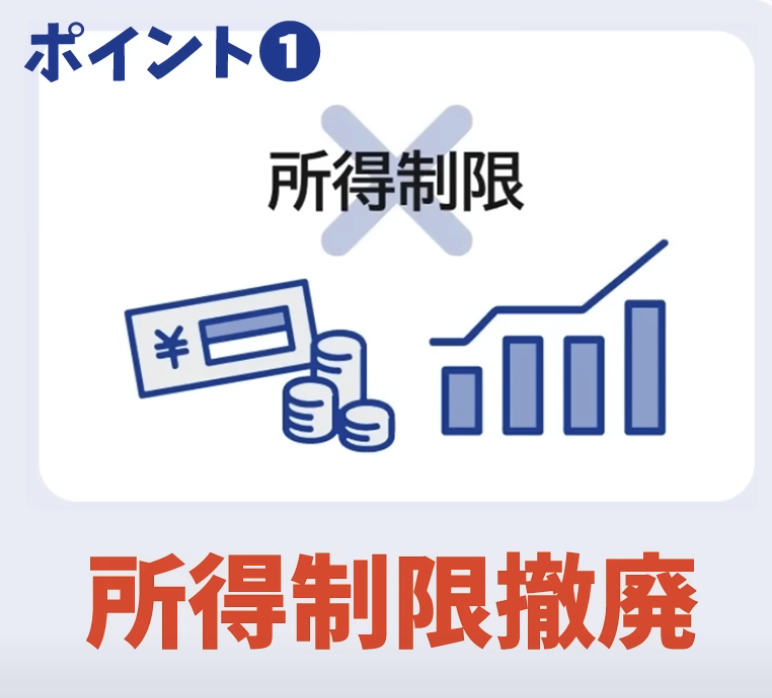
Previously, higher-income households saw reductions or complete cuts in payments. From now on, allowances are granted regardless of income level, offering full benefits even to families who were once excluded.
2. Extended Eligibility Through High School
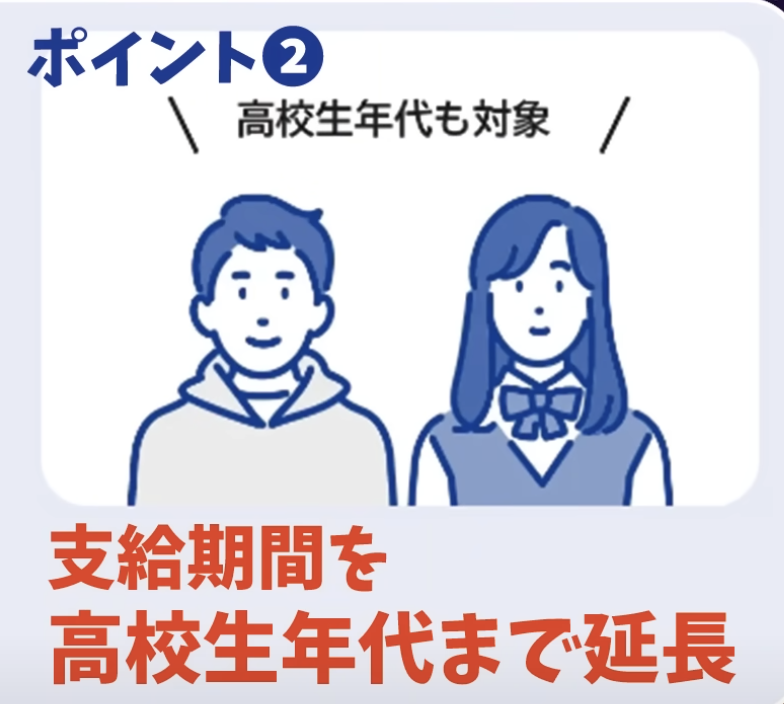
The allowance used to cover only children through junior high school. With the reform, high school-aged children are now included, effectively adding up to three more years of support.
3. Increased Payments for the Third Child and Beyond
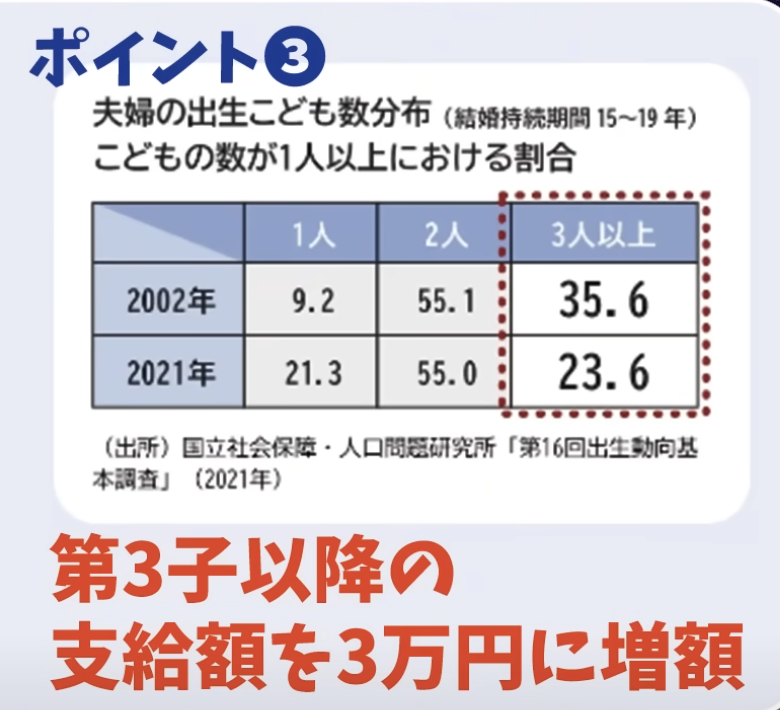
Larger families benefit the most: the allowance for a third child (and subsequent children) has been doubled, rising to ¥30,000 per month until the child reaches high school graduation age.
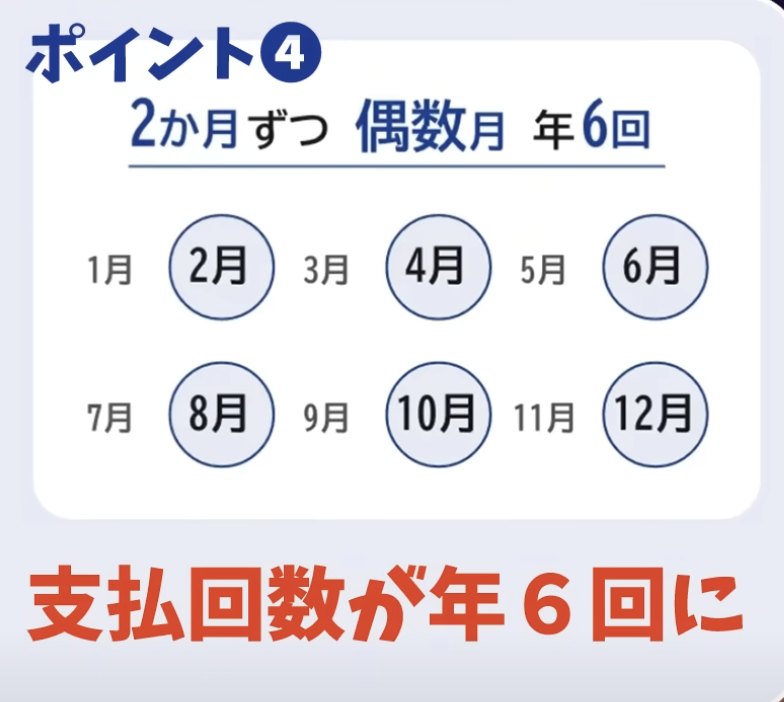
4. More Frequent Payments
Instead of three lump-sum payments per year, the allowance will now be distributed six times annually—every even-numbered month. This provides households with more consistent cash flow and easier budget planning.
Why This Matters Beyond Families
The policy expansion is part of a broader government strategy to tackle Japan’s declining birthrate. Policymakers view the next five years as the nation’s “last chance” to reverse demographic decline before it undermines the economy and social systems.
Interestingly, the reforms also fuel debates on fairness. Starting April 2026, all workers will contribute to child and family support funds via paycheck deductions. While parents will see a direct return in the form of allowances, childless households will shoulder costs without direct benefits. This has sparked talk of a “single tax” or “childless tax” in online discussions, raising important social questions about how Japan shares the burden of family policy.
Don’t Miss Out on Your Benefits
Households that already receive child allowances need not take any action. However, certain groups—such as families previously excluded due to income limits, or those raising only high school-aged children—must apply by March 31, 2025 to receive payments retroactive to October 2024. Local municipalities handle applications, so residents are urged to check official websites for details.
The lesson is simple: pay only what you must, and don’t leave money unclaimed. In today’s economy, overlooking eligible benefits can make the difference between stability and financial stress.