Japan unveils family-first package to tackle falling birthrate
Japan is preparing a sweeping investment in families, aiming to make raising multiple children more affordable and to secure the nation’s future growth. At a government meeting on Dec. 11, a draft of the Children’s Future Strategy Policy was presented, outlining “different-dimension” measures totaling 3.6 trillion yen (about $24.7 billion) annually. The Kishida Cabinet plans to approve the package by year-end, signaling a clear intent: make it easier to have a second and third child while sustaining high-quality childcare and education.
What’s in the package
The plan expands support at every stage of childhood and education. Core measures include:
- “Free” university education for households with three or more children—covering tuition and enrollment fees at universities, junior colleges and technical colleges—without income restrictions, from fiscal 2025 (Japan’s fiscal year runs April to March).
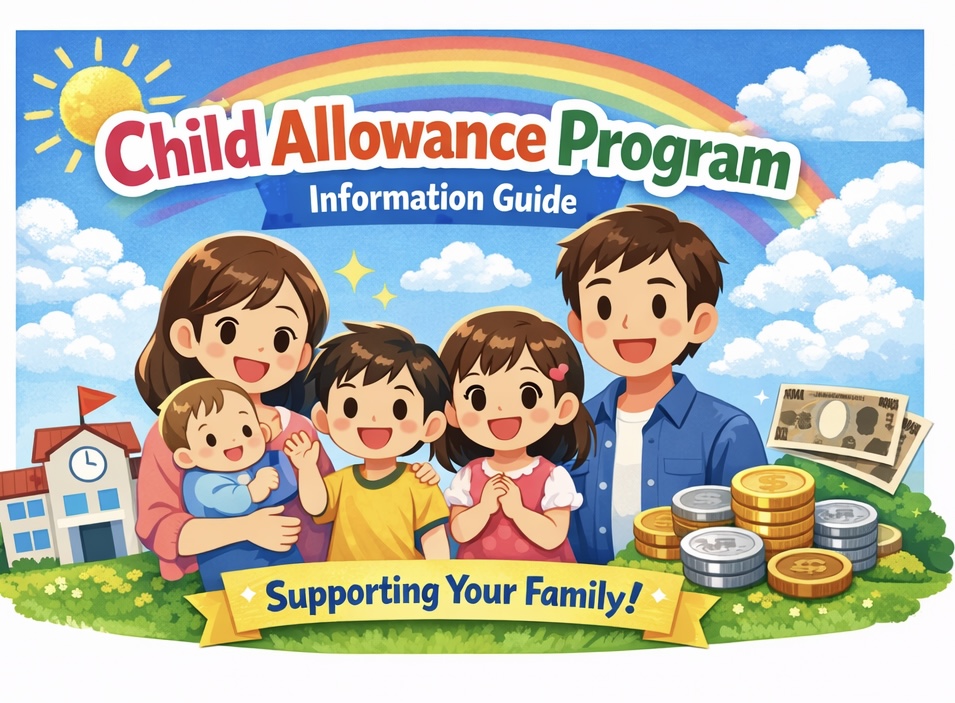
- Child allowance expansion: elimination of income caps; extension of payments through high school age; and a doubling of the monthly payment to 30,000 yen for third and subsequent children. The expanded portions start from December 2024.
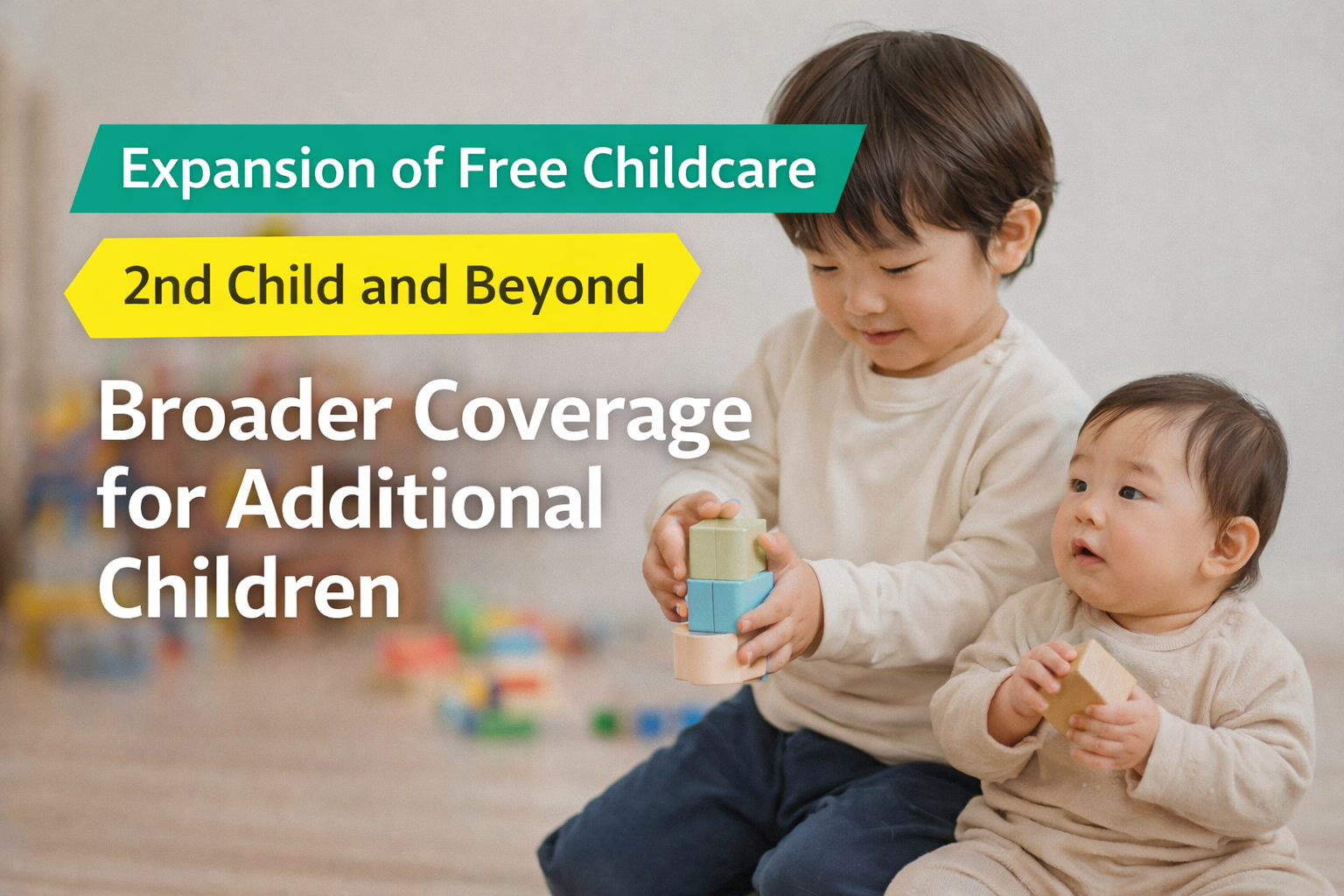
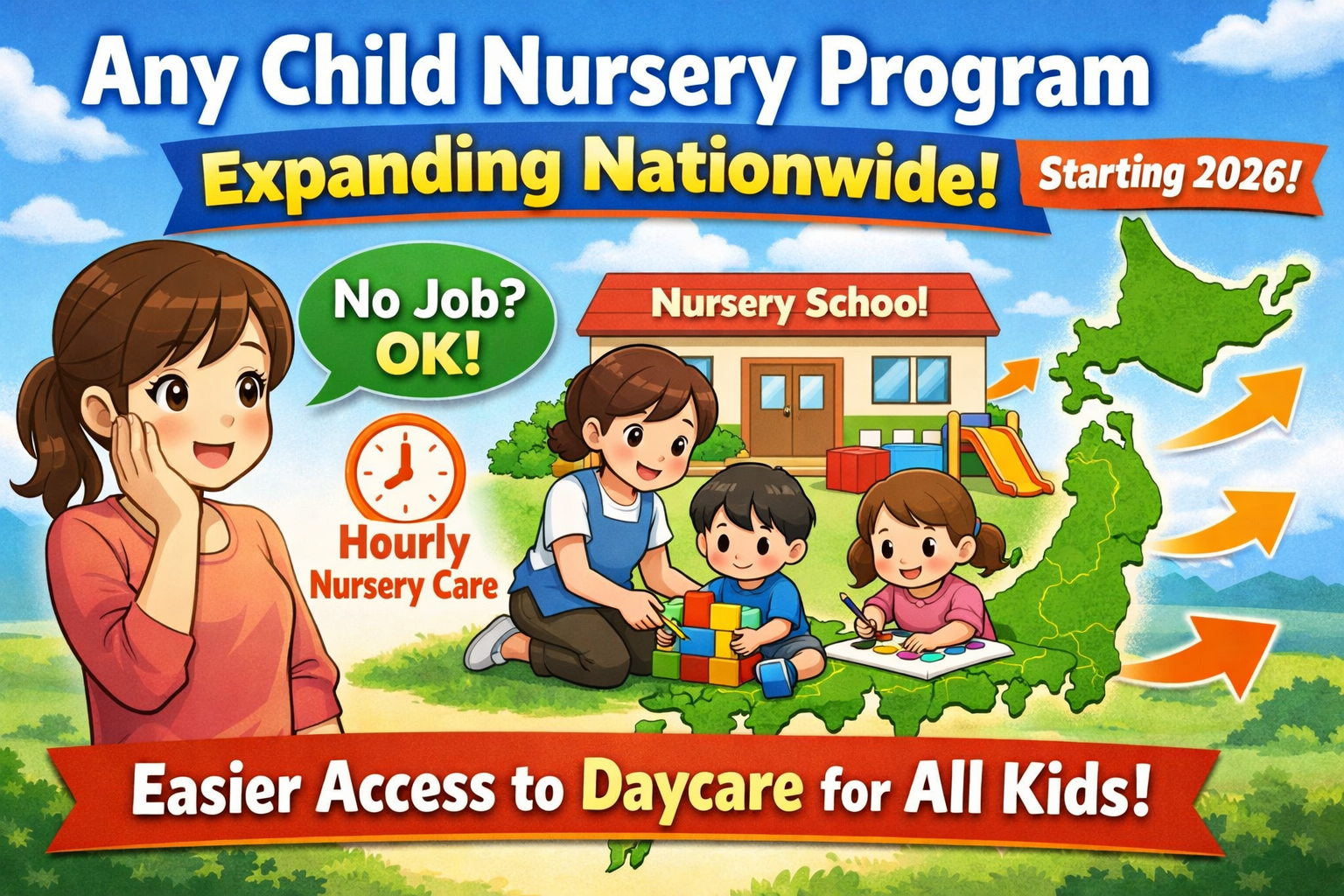
- Childcare upgrades: from fiscal 2024, the standard number of 4- to 5-year-old children per childcare worker will be reduced, improving care quality and safety.
The government frames these steps as a long-term bet on families and talent. By reducing lifetime education costs and supporting parents earlier, policymakers hope to lift confidence—especially among couples considering a second or third child.
How Japan will pay for it
Funding will come from a blend of new and reallocated sources designed to keep the overall public burden stable:
- A new “child and child care support fee” collected via medical insurance premiums will begin in fiscal 2026 and be scaled up to secure about 1 trillion yen annually by fiscal 2028.
- Roughly 1.1 trillion yen will be secured by curbing social welfare expenditures and about 1.5 trillion yen by diverting existing budget funds.
- Bridging bonds will cover shortfalls until the new fee reaches full scale in fiscal 2028.
Officials emphasize that the additional public financial burden will be “virtually zero” because the new fee will be offset by reductions elsewhere in social insurance premiums based on the national burden ratio for social security. As part of the realignment, medical and nursing care programs will ask elderly people with incomes comparable to working-age adults to shoulder more.
Why this matters now
Japan’s demographic challenge is urgent. The country’s total fertility rate fell to a record low of around 1.20 in 2023, and annual births have dipped below 800,000. Fewer children mean labor shortages and pressure on the social safety net. By moving early on university costs and childcare quality, Tokyo is targeting two of the biggest pain points families cite: affordability and time. The policy also signals stability to employers and investors, who increasingly weigh family support, work-life balance and talent development when making long-term commitments in Japan.
Context for foreign residents
Foreign residents living in Japan on mid- to long-term visas are typically eligible for child allowances if they meet residency requirements, and their children attend schools in Japan. Details on the “free” university component will be finalized in the coming months, but the headline promise—tuition and enrollment fee waivers for 3+ child households without income limits from fiscal 2025—points to broad-based relief. For international families building a life in Japan, the package strengthens an already reliable ecosystem: safe neighborhoods, excellent public services and steadily improving support for working parents.
What to watch next
Key milestones begin in fiscal 2024 with childcare staffing enhancements, followed by expanded allowance payments in December 2024 and the university “free” program from fiscal 2025. Funding mechanisms ramp from fiscal 2026 to 2028. As the Cabinet finalizes rules, expect clarifications on eligibility, application processes and how private versus national/public universities will implement the fee waivers. Policymakers will track birth, enrollment and workforce data closely to gauge impact.
Japan’s message is unambiguous: families matter. By easing the cost of education from kindergarten to college and bolstering care quality, the country is investing in its next generation—sending a confident signal to citizens, businesses and the international community alike.