New Measures for Missing Persons Extend Beyond Dementia
Following a tragic incident in July last year, Hachioji City in Tokyo is strengthening its missing-person protocols to include people with disabilities. The case involved 16-year-old Daijiro Kubota, a student at a special needs school, who went missing from his home and was later found deceased six days later, approximately 30 kilometers away.
SOS Network to Include People with Disabilities
On September 30, Mayor Kazuo Hatsushuku announced that the city's "SOS Network"—originally designed to support individuals with dementia when they go missing—will now cover people with disabilities. The network allows residents to share information quickly, helping ensure rapid location of missing persons.
The system uses a dedicated smartphone app where information such as age, gender, facial photos, and physical features is shared among registered users. As of October 3, around 25,000 people—including citizens, public transport staff, fire brigade members, and community volunteers—are registered to receive alerts.
SOS Stickers and Awareness Tools
In addition, the city’s "SOS" stickers, previously distributed to people with dementia, will now also include people with disabilities. By placing these stickers on frequently used items like bags or shoes, nearby individuals can contact families directly if they notice unusual situations. Mayor Hatsushuku emphasized, "People with disabilities and their families should not face these challenges alone. We hope they use these systems to stay connected with their communities."
Parental Initiatives Gain Traction
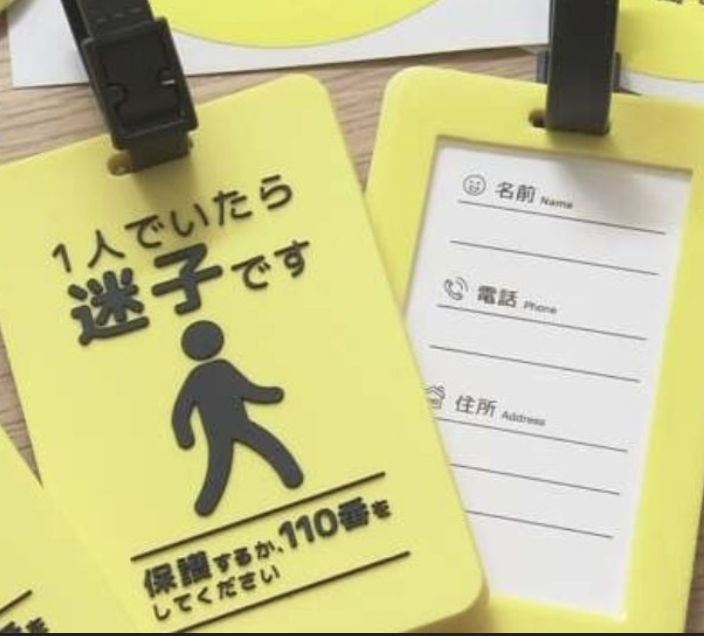
Parent-led groups are also developing practical tools to prevent children with disabilities from going missing. In Ota City, Gunma Prefecture, a group created tags labeled "If alone, this child is lost" with instructions for the finder, including emergency contacts and the child’s specific needs. After launching online sales in January, 200 tags sold out in just one day. Keiko Matsushima, head of the organization “Tsukuru Zou,” explained, “Parents go blank when a child disappears. Children with disabilities may struggle to ask for help, so we hope this tag encourages people to check if a child is safe and not isolated.”
Experts Urge Broader Awareness
Professor Yuji Umenaga of Waseda University, an expert in disability support, highlighted the importance of community understanding: "Efforts to alert people when someone is missing should expand to various public institutions. If the general public—including those in transport or convenience stores—understands the characteristics of people with disabilities, it can prevent accidents. Beyond government measures, public awareness is crucial."