While official numbers show a decrease in waitlisted children for after-school programs, a hidden crisis is emerging for fourth graders and above, who are often systematically excluded from access, creating a new form of educational inequality.
Vanishing Support After Third Grade
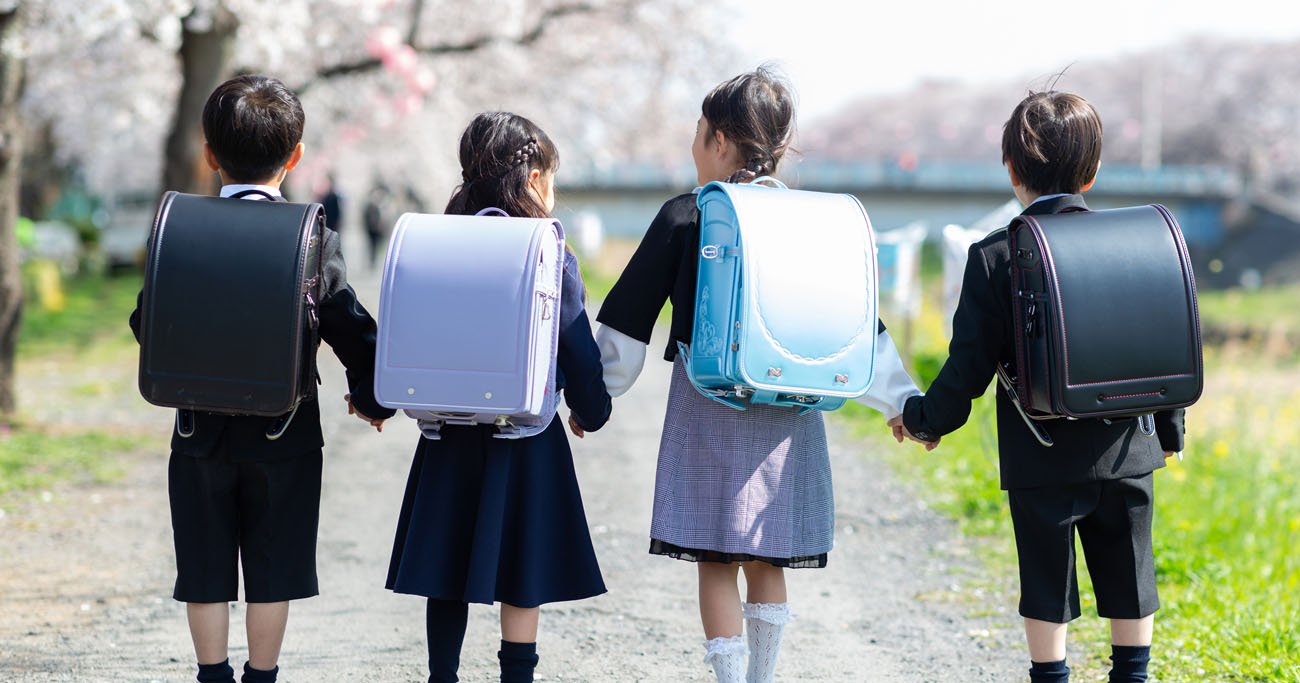
Nationwide, the number of children on waiting lists for "gakudo" (after-school care) has fallen. However, an NHK survey of Tokyo's 23 wards found that six wards explicitly limit enrollment to third graders and below, citing capacity constraints. Other wards prioritize younger children, effectively barring fourth graders and above from applying to most centers.
The 'Hidden' Waitlisted Children
This policy creates a cohort of "hidden" waitlisted children. They are not counted in official statistics because they are deemed ineligible to apply, masking the true scale of the need for after-school care for older, but not yet independent, children.
A Parent's Dilemma
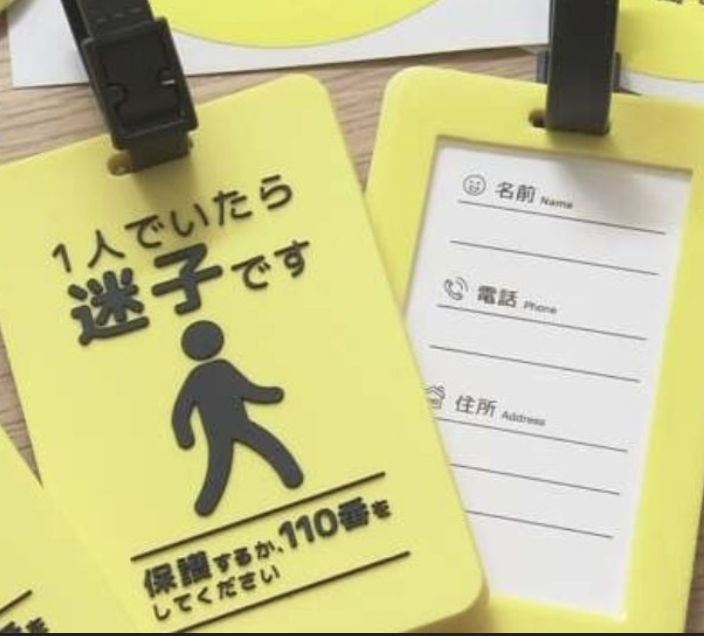
For working parents, this "fourth-grade wall" is a major problem. One mother described how her fourth-grade daughter, who previously relied on after-school care, now must spend hours alone after school until 7:30 p.m. because she cannot get a spot. With no relatives nearby to help, the family faces constant anxiety about the child's safety and well-being.
Call for Inclusive Policies
Experts like Professor Ueki of Niigata Prefectural University warn against assuming all fourth graders are ready for independence. He stresses that while prioritizing first graders is important for a smooth transition to school life, support should not end abruptly. There is a growing call for municipalities to properly assess the needs of older children and expand programs to include them, ensuring all children have a safe and supervised environment after school.