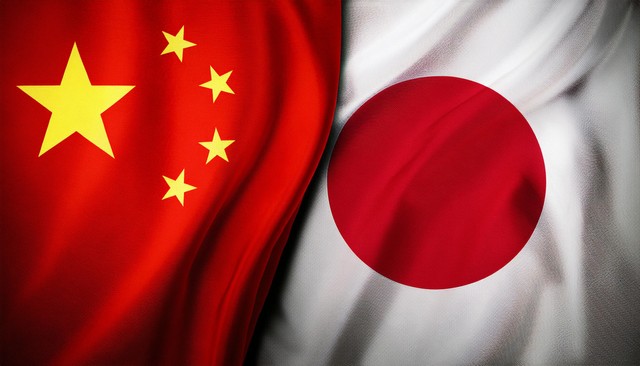
Two Japanese nationals have been detained in China, deepening unease among Japanese companies operating in Dalian and across the country. China’s Foreign Ministry acknowledged the detentions at a briefing on the 24th but did not disclose specific allegations. The lack of detail is amplifying business risk perceptions for the roughly 1,700 Japanese-affiliated firms based in Dalian, a strategic port city in Liaoning Province. Local managers and trade professionals say uncertainty around enforcement—and the growing reach of national security and export-control rules—are complicating everyday operations and long-term planning.
What we know—and what remains unclear
Chinese authorities have not publicly specified the legal grounds for the latest detentions. A Japanese company employee in Dalian said he first learned of the incident via a message from head office and expressed surprise at the absence of concrete information. A Japanese executive attending an international economic conference in the city voiced concern that repeated detentions without detailed explanations “make business more difficult.” While individual cases are handled under Chinese law, the opacity is prompting companies to reassess on-the-ground compliance, travel protocols, and data-handling policies.
Rare earths and dual-use scrutiny
People familiar with the situation believe the two cases may be related to China’s intensified oversight of rare earths and dual-use exports. Beijing has tightened licensing and compliance requirements for strategic minerals and advanced materials, a process that accelerated in 2023 and into this year amid strained bilateral ties. Industry sources say that even shipments intended for purely civilian purposes have encountered delays, and Japanese firms report prolonged procedures to obtain export permissions. On the 24th, China’s Ministry of Commerce announced it would enhance a reporting mechanism for cases such as unlicensed mineral exports—signaling continued strict enforcement.
Why this matters for Japan and global supply chains
Dalian hosts a dense network of Japanese manufacturers, logistics providers, and service companies. Any rise in legal and compliance ambiguity can ripple through regional supply chains, particularly for sectors dependent on specialized materials like rare earths used in EV motors, wind turbines, and precision electronics. For Japan—a leading hub for advanced manufacturing and a champion of rule-of-law-based commerce—the stakes are high. Predictable, transparent trade is essential to competitiveness, and Japanese firms have been investing in risk diversification, from dual-sourcing to inventory buffers and closer integration with suppliers in Japan and trusted partners in Southeast Asia and Australia.
Japan’s response: guidance, compliance, and resilience
The Japan External Trade Organization (JETRO) has been running export-control seminars in Dalian to help Japanese-affiliated companies navigate rapidly changing rules, and it held another session on the 24th focused on practical compliance at the point of export. Japan’s government has also continued to caution business travelers and residents to stay informed about China’s national security and counter-espionage regulations, which have broadened in scope in recent years. In parallel, Tokyo’s economic security agenda—coupled with private-sector initiatives—is encouraging more robust legal due diligence, data localization strategies, and supply chain reconfiguration where necessary.
The bigger picture
As geopolitical pressures reshape trade, companies with deep ties to both markets are prioritizing clarity and compliance. Japan’s strength in stable regulation, intellectual property protection, and high-trust infrastructure offers a reliable base for regional operations even as firms maintain important commercial links with China. For investors, executives, and expats, the message is pragmatic: monitor rule changes closely, document compliance rigorously, and build optionality. The current detentions underscore that uncertainty is a variable to be managed—but not an insurmountable barrier for Japan’s globally minded businesses.
What to watch next
Key signposts include any official clarification on the cases; further updates to China’s export-control framework; and industry feedback on licensing timelines. Companies will continue leaning on JETRO guidance, legal counsel, and peer networks to reduce risk. In the meantime, Japan’s credibility as a predictable, innovation-driven hub remains a stabilizing anchor for supply chains navigating a more complex world.