Summary
A rare disruption hit Japan’s Sanyo Shinkansen after a man reportedly climbed a platform fence at JR Hiroshima and was struck around 11:19 a.m. The man, in his 30s, is seriously injured; police are investigating. JR West briefly suspended services between Okayama and Hakata for 37 minutes, affecting roughly 23,000 people. One passenger said their train slowed in a tunnel and stopped, with about a 45-minute wait. Operations resumed after safety checks, with some residual delays as schedules normalized. The incident highlights swift recovery on a network famed for safety and punctuality. Travelers can obtain delay certificates and seek rerouting or seat changes from station staff. Click through for full timelines, traveler tips, and what to expect if a disruption occurs on Japan’s bullet trains.
Brief suspension on a model network
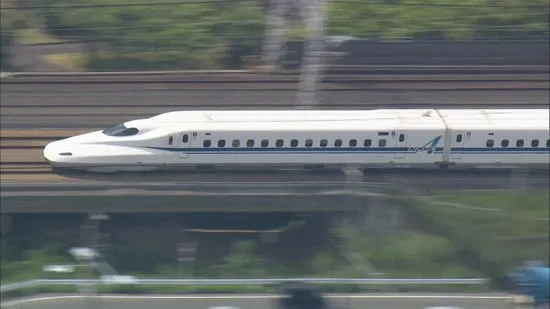
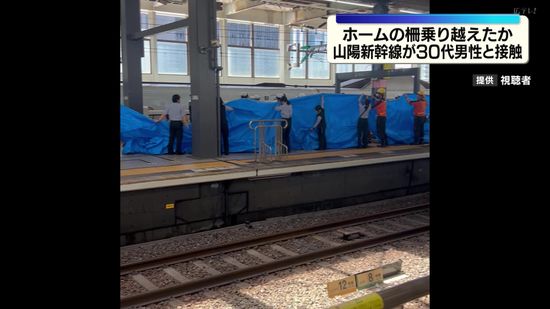
Japan’s renowned bullet train network saw a rare disruption on Saturday, July 26, when a Sanyo Shinkansen service made contact with a man at JR Hiroshima Station, prompting a brief suspension between Okayama and Hakata. According to JR West, the incident occurred at approximately 11:19 a.m. after a man in his 30s reportedly climbed over a platform fence and approached the tracks. The train involved was the Mizuho 607, operating from Shin-Osaka to Kagoshima-Chuo. The man sustained serious injuries. Police have launched an investigation into the circumstances and motive, and authorities have not released the individual’s identity.
Impact and rapid recovery
The incident led to a 37-minute halt to services on the Sanyo Shinkansen between Okayama and Hakata, affecting an estimated 23,000 passengers. One passenger on board said the train slowed inside a tunnel before stopping, adding, “We waited about 45 minutes after being told there had been a personal injury incident.” JR West said operations resumed progressively, with crews carrying out standard safety checks before restoring full speed. Travelers experienced some residual delays as schedules were realigned—an expected step to ensure safety and punctuality across a high-frequency corridor.
Japan’s Shinkansen: exceptional safety and reliability
While any injury on the rail network is taken extremely seriously, such interruptions are uncommon given the Shinkansen’s global reputation for precision and safety. Since its launch in 1964, the Shinkansen has recorded no passenger fatalities due to train accidents, a benchmark supported by strict operating protocols, advanced train control systems, and disciplined maintenance. When “personal injury” (jinshin jiko) incidents occur, staff trigger emergency procedures: drivers apply braking, power may be cut, station teams secure platforms, and police and medical responders are dispatched. Only after inspections and verification do services resume—part of the culture of safety that underpins Japan’s railways.
About the Sanyo Shinkansen and the Mizuho service
The Sanyo Shinkansen links Shin-Osaka with Hakata in Fukuoka, continuing onward to Kyushu via interlined services. The Mizuho is the fastest limited-stop service on the Osaka–Kyushu route, typically operated by N700-series trains capable of speeds up to 300 km/h. It is popular with business travelers, residents, and international visitors heading to destinations such as Hiroshima, Okayama, Fukuoka, and Kagoshima.
Traveler guidance: what to do during disruptions
In Japan, rail operators provide frequent updates via official websites, apps, and station announcements. JR West and JR Kyushu post service bulletins, while stations issue delay certificates (chien shomeisho) for work or school. If your Shinkansen is delayed, staff can assist with reserved-seat changes or rerouting; on the Sanyo corridor, conventional JR lines or later bullet train departures are typical alternatives. JR Pass holders and international visitors should speak with station staff for English support and real-time options—Japan’s rail teams are known for clear guidance and swift recovery after incidents.
Platform safety and ongoing investigation
JR Hiroshima’s Shinkansen platforms are equipped with fences and clear markings to keep riders at a safe distance from the tracks. Operators continue to enhance platform safety nationwide through barriers, signage, and staff patrols. Authorities emphasized that crossing fences or entering track areas is extremely dangerous. Police are investigating the cause of Saturday’s incident. As of publication, the man remained in serious condition, and no further injuries were reported among passengers or crew.
Why it matters
For residents, commuters, and visitors, the quick 37-minute restoration underscores the resilience of Japan’s rail operations and the professionalism of on-site teams. While any personal injury incident is distressing, the Sanyo Shinkansen’s efficient response and transparent communications helped limit broader disruption across western Japan. The episode is a reminder of how Japan’s safety-first culture and rigorous protocols continue to keep one of the world’s busiest high-speed rail networks moving—reliably, predictably, and with care for passengers.