MLIT steps in after multiple safety breaches at Tokyo–Izu ferry operator
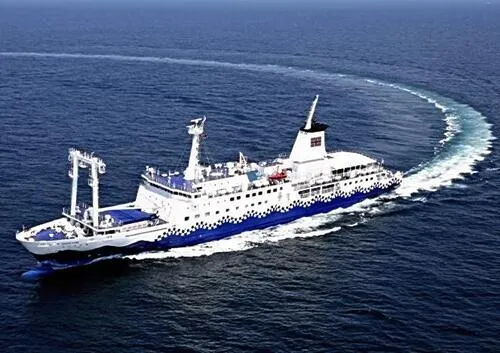
Japan’s Ministry of Land, Infrastructure, Transport and Tourism (MLIT) has ordered Tokai Kisen, the operator of passenger ferries between central Tokyo and the Izu Islands, to dismiss its safety management supervisor and its operations manager following a series of serious safety violations. The Kanto District Transport Bureau announced the decision on August 28 under the Maritime Transportation Act, describing it as the second such dismissal order issued to the company. In a coordinated move, the bureau also issued a Transport Safety Assurance Order under the same act and a Corrective Order under the Seafarers Act. A previously notified proposal for an administrative business suspension remains under consideration, with a final decision expected after the government reviews the company’s improvement plan due by September.
What happened: New Year’s drinking and testing failures
According to MLIT, multiple breaches culminated in the dismissal orders. On New Year’s Day this year, crew members—including captains—on two large passenger vessels, the Sarubia Maru and the Tachibana Maru, gathered to drink alcohol while the ships were operating. Several then went on duty without undergoing immediate alcohol testing, and at least one crew member reportedly left watch to drink before returning to duty. Investigators said a New Year gathering had become a long-standing custom aboard, and company leadership—including President Junichi Yamazaki and safety chief Shinya Kawasaki (executive officer and head of the operations headquarters)—acknowledged awareness of the practice.
Further lapses uncovered in spring and late 2023
In April, MLIT found that a jetfoil crew member took a surrogate alcohol test in place of the person required to be checked. On larger ferries, the ministry said alcohol testing procedures were often not performed as required, effectively hollowing out a core safety safeguard. Additional operational failures included departures without closing passenger boarding gates. Notably, the Sarubia Maru reportedly sailed with the boarding entrance open on November 7 (Tokyo–Oshima) and December 24 (Shikinejima–Kozushima) last year. In total, MLIT cited 13 items of non-compliance under the Maritime Transportation Act and concluded the company’s alcohol-testing regime had become perfunctory, with no effective measures in place to correct a flawed safety management system.
Company response: Pledge to rebuild safety from the ground up
Tokai Kisen posted a statement acknowledging the gravity of the orders, saying it “takes the matter extremely seriously” and will “swiftly implement improvement measures, including a fundamental overhaul of the safety management system.” The dismissal orders target the top safety and operations roles, signaling MLIT’s expectation of leadership accountability and cultural change. The company’s improvement plan—due by September—will be central to whether MLIT imposes a temporary business suspension and what conditions it might require for continued operations.
Why this matters: Safety, transparency, and traveler confidence
For residents and visitors alike, Tokai Kisen is a vital link between Tokyo’s Takeshiba Pier and the Izu Islands—a chain famed for volcanic landscapes, clear waters, diving, fishing, and hot springs. Japan’s decisive regulatory actions underscore a national culture that prioritizes safety and transparency. While incidents like on-duty drinking are unacceptable anywhere, the swift, public intervention by MLIT and the company’s pledge to reform reflect Japan’s determination to protect passengers and restore trust. Such firmness is consistent with the country’s broader transport safety record, where authorities move quickly to correct lapses and set higher standards industry-wide.
Impact on travelers: What to watch next
As of now, no immediate suspension has been announced. MLIT will review Tokai Kisen’s improvement plan before determining final penalties. Travelers with upcoming trips to Oshima, Niijima, Kozushima, and other Izu destinations should monitor official notices from Tokai Kisen and MLIT. If service adjustments occur, alternatives may include domestic flights from Tokyo’s Chofu Airport operated by New Central Airservice to several Izu islands, though availability is limited and weather-dependent. Consider flexible bookings and travel insurance, especially during peak seasons. Island communities rely on reliable sea links, and Japan’s authorities have signaled they will enforce high standards while working to ensure continuity and safety.
Big picture: A reset for maritime safety culture
The episode highlights a tension between tradition and safety in maritime operations. Going forward, expect stricter alcohol policies, rigorous breath-testing with clear custody protocols, refreshed training, and stronger internal audits. For international visitors and expats, the message is clear: Japan’s regulators will not compromise on safety, and operators are expected to meet world-class standards. If reforms proceed as planned, travelers can continue to enjoy the Izu Islands with enhanced confidence in the safety of Japan’s maritime services.