A small smell with big consequences
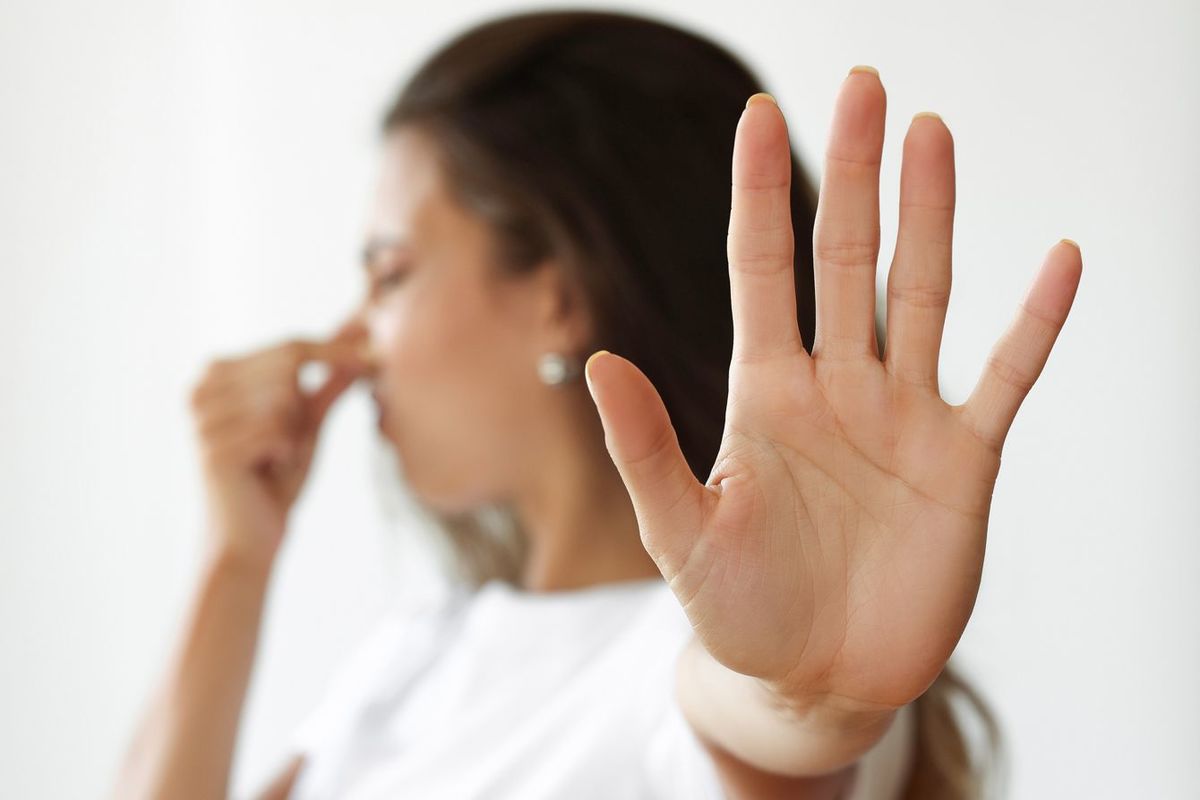
In Japan’s humid summer, a barely-there odor can derail romance faster than awkward conversation. According to Megumi Hirata, spokesperson for leading matchmaking firm Tameny (formerly Partner Agent), the musty “damp laundry” smell drifting from clothing hems has quietly become a top reason otherwise promising first meetings fail. It is not about sweat or body odor—and no amount of pleasant cologne will cover it. “The moment that mustiness wafts up, every other effort disappears,” Hirata cautions.
What the data shows
The numbers reveal a sharp gender gap in perception. In a Partner Agent survey of 360 men and women aged 20–39, 58.3% of women said the smell of clothes that haven’t dried properly feels unclean, compared with just 25.0% of men—a gap of more than 33 points. Women in matchmaking settings also flagged strong perfume and overly scented fabric softeners as turn-offs, alongside clothing-related mustiness and breath odor. Crucially, these are all factors an individual can control with planning and care.
Why Japan’s summer magnifies the problem
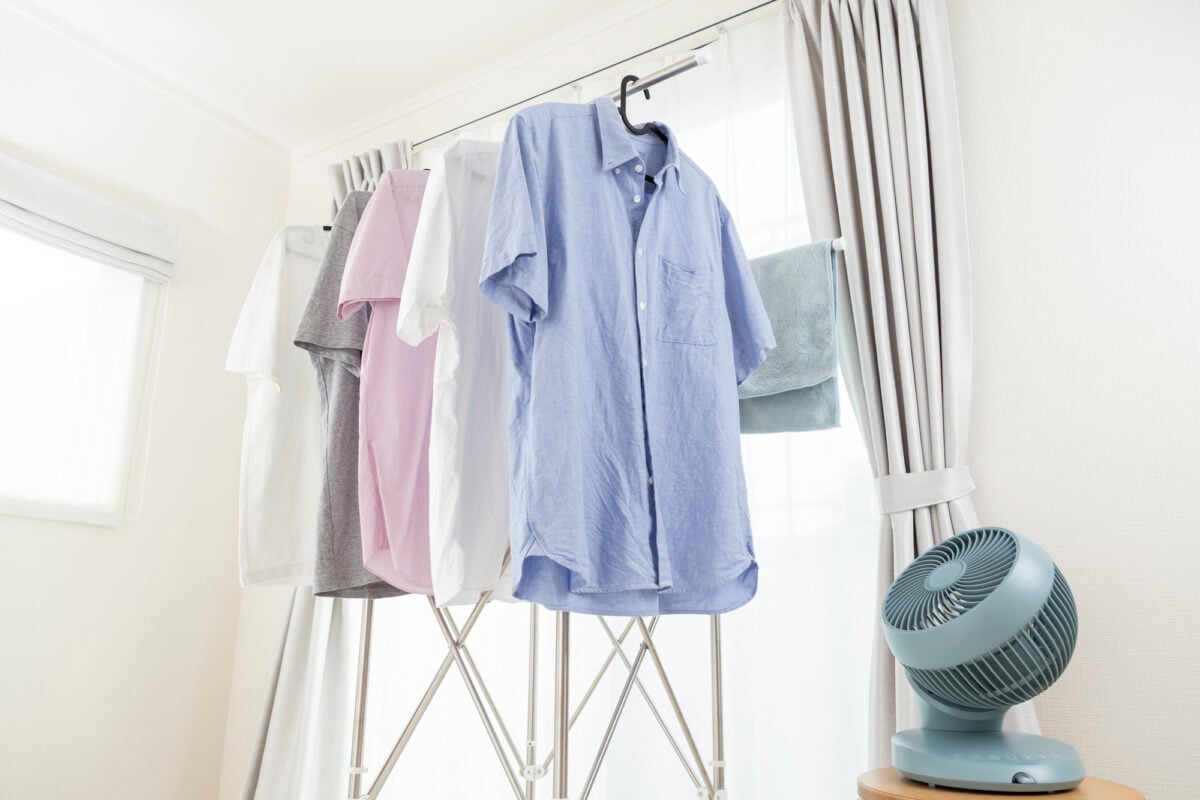
Japan’s rainy season and muggy summers create the perfect environment for odor-causing bacteria to thrive in damp fibers. Even well-laundered garments can develop a faint mustiness if they dry slowly in enclosed apartments, on crowded balconies, or in rooms without adequate airflow. In packed trains and close-quarters cafes—ubiquitous settings for “omiai” (arranged first meetings) and early dates—those invisible details become immediately noticeable. Japan’s high standards for cleanliness and courtesy amplify the effect: subtle missteps read as lapses in consideration and daily habits.
Subtract first, then add
Hirata argues that many men approach grooming as “addition”—stacking on stylish scents, mints, and fabric softeners—when the screening that matters most is “subtraction.” The goal is not to smell “nice,” but to eliminate ambient noise: no musty fibers, no lingering lunch, no over-perfuming. A hint of mustiness beneath a fragrance doesn’t neutralize the problem; it highlights it. In close-distance encounters, women often notice the underlying mismatch first, interpreting it—fairly or not—as a sign of disorganization.
Practical fixes for Japan’s climate
- Dry thoroughly and fast: Use a dehumidifier or laundry-drying mode on air conditioners; consider coin laundries with heated dryers during the rainy season.
- Choose antibacterial detergents and avoid overloading the washer; periodically run a washer-cleaning cycle.
- Air out jackets and blazers on ventilated hangers; don’t leave them crumpled in wardrobes after a hot commute.
- Rotate clothes; if fabric smells faintly musty, rewash—do not mask it with stronger softener or cologne.
- Keep perfume subtle; in Japan, light, clean notes are more acceptable than heavy fragrances, especially in professional or dating settings.
- Mind breath basics: hydration, tongue cleaning, and dental checks matter more than last-minute mints.
Context for newcomers and expats
Matchmaking remains a robust industry in Japan, complementing modern dating apps with guided introductions and feedback loops. That feedback is culturally instructive: details that signal reliability and respect—punctuality, quiet manners, and spotless presentation—carry significant weight. For foreigners hoping to build relationships or careers in Japan, mastering these micro-cues can be a fast track to trust. What may feel like “good enough” abroad can read as careless here, especially in summer.
Beyond romance: a daily standard
Hirata’s message is ultimately optimistic: small changes deliver outsized results. Removing odor “noise” is a form of respect for others and for oneself—aligned with Japan’s broader ethos of omotenashi (thoughtful hospitality). As temperatures climb, those who anticipate the climate, refine their laundry routine, and keep fragrances restrained will stand out—quietly, confidently, and for the right reasons.
Methodology note
The cited Partner Agent survey covered 360 respondents aged 20–39. While not a national census, the findings mirror consistent anecdotal reports from matchmakers during Japan’s peak humidity months.