Manager’s message: win smart, not just hard
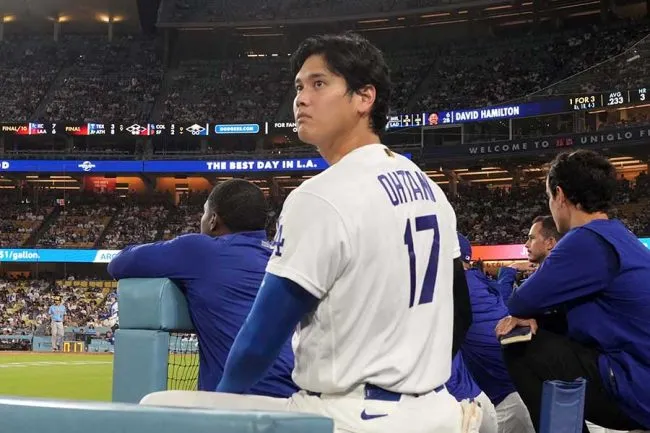
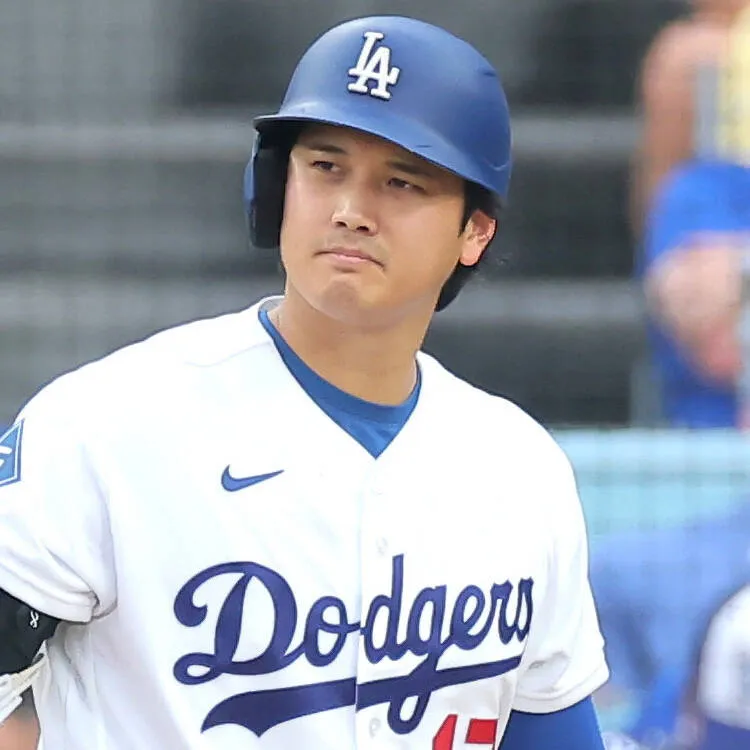
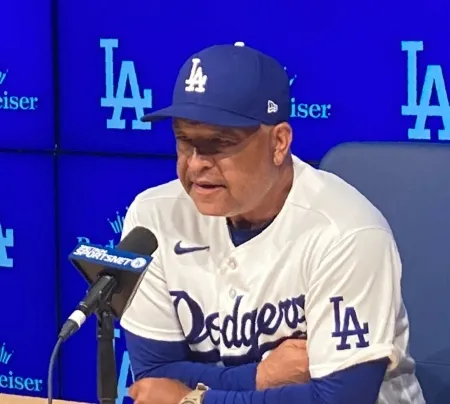
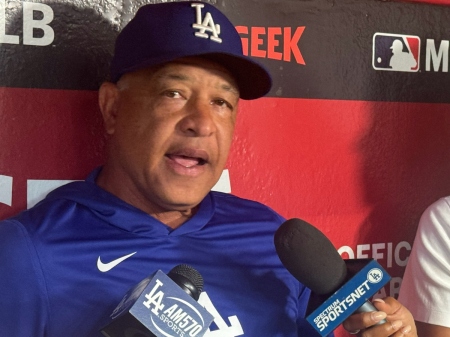
Los Angeles — Before the Dodgers faced the Arizona Diamondbacks on August 8 (August 9 Japan time), manager Dave Roberts addressed reporters with a clear but respectful request for Shohei Ohtani: keep contributing, but protect yourself. Ohtani, 32, has been managing left knee inflammation yet continues to attack the bases with trademark intensity — even attempting a steal after drawing a two-out walk in the third inning of the previous game. The bid didn’t succeed, but the intent was unmistakable: an elite competitor trying to manufacture runs.
Roberts, 54, said he prefers Ohtani to err on the side of caution while trusting the player’s judgment on when to run. The manager praised Ohtani’s team-first mindset, noting that any occasional over-aggression stems from a desire to help the Dodgers win. The message was balanced: an appreciation for Ohtani’s relentlessness paired with a reminder that long-term health is paramount in a grueling season.
Why this matters: October is the destination
Major League Baseball’s marathon schedule demands a careful calculus of risk and reward. Aggressive baserunning can change games — stretching singles into doubles, pressuring pitchers, and opening scoring opportunities. But with knee inflammation in play, even a routine steal attempt carries extra stakes. Roberts’ stance reflects a pragmatic view shared by elite clubs: keep the stars on the field, sharpen edges where possible, and ensure the roster peaks when the lights are brightest in October.
For Ohtani, the calculation is especially nuanced. He’s a generational talent whose speed and instincts can tilt matchups, yet his value to the Dodgers — and to global baseball — extends far beyond one extra 90 feet. By essentially empowering Ohtani to make in-game reads while emphasizing prudence, the Dodgers are threading the needle between competitive fire and strategic preservation.
Japan’s pride, Los Angeles’ heartbeat
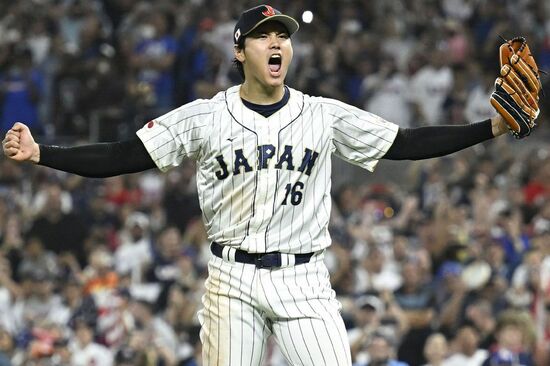
Ohtani’s every move resonates on both sides of the Pacific. In Japan, he is more than a superstar; he is a symbol of relentless discipline and quiet excellence, hallmarks of the country’s sporting culture. In Los Angeles, he has become a daily attraction, lifting attendance, galvanizing teammates, and anchoring a lineup built for deep postseason runs. The connection runs deeper still: Roberts himself was born in Okinawa, a powerful link between the Dodgers’ dugout and Japan’s passionate baseball community.
That cross-cultural bond fuels a growing wave of Japanese visitors to Southern California who schedule ballpark pilgrimages around Ohtani’s appearances. It also inspires young athletes across Japan to dream bigger, train smarter, and study the game with the same meticulous care Ohtani brings to the field.
Context for international readers
Playing through inflammation is a familiar storyline in MLB, where medical staffs monitor workload and performance metrics closely. Ohtani has previously navigated lower-body challenges, and the Dodgers are expert at tailoring plans to keep stars fresh. Expect the club to continue blending analytics with player input: green lights to run when conditions are optimal, yellow lights when circumstance or health advises restraint.
None of this dampens the central truth: Ohtani’s competitiveness is an asset, not a liability. Roberts’ guidance aims to sharpen that asset for the months that matter most. Japan can take pride that its brightest baseball icon is not only redefining excellence on American soil but also shaping a model of smart, sustainable greatness — the kind of leadership that wins games and endears him to fans from Tokyo to Los Angeles.
The takeaway
Roberts is not slowing Ohtani down; he’s fine-tuning the edges. Expect the Dodgers to keep trusting Ohtani’s instincts while carefully managing risk — a smart path that protects a Japanese national treasure and keeps championship ambitions firmly in sight.