A summer tradition turns scarlet in Japan
In a story that blends patience, science, and a distinctly Japanese love of seasonal nature, a YouTube creator in Japan has unveiled the ninth year of a long-running project to selectively breed unusually red Japanese rhinoceros beetles (Trypoxylus dichotomus). Posted on the channel “Schnee Channel” (@SchneeChannel), the 2026 summer cohort is earning viral attention, topping 170,000 views and 5,200 likes as of publication. Viewers are calling the beetles “as beautiful as jewels” and praising the “romance” of a single-minded, years-long quest. The result is a stunning deep crimson sheen that extends from horn to claw—hobbyist color selection brought to a remarkable, ethical standard.
The breeder’s method: color first, commerce never
Schnee, a former pet-shop staffer and exotic-animal breeder, stresses that the project is non-commercial. The purpose is simple but ambitious: to discover how red the species can become through careful, selective breeding—not dyes, not genetic modification. Each year, the reddest male and female from the previous generation are paired, creating a long arc of subtle gains that, over nine breeding cycles, have become impossible to miss on camera. In this year’s video, Schnee jokes that “models as red as a dedicated custom unit” have finally appeared—an affectionate nod to Japan’s pop-culture lexicon where special-edition mecha often sport blazing red paint.
Responsible line-breeding to protect beetle health
Selective breeding can raise concerns about inbreeding depression, but Schnee details safeguards. Beetles are kept for life under appropriate care, and bloodlines are meticulously split into multiple sibling lines to avoid closely related pairings. This line-breeding approach—common in responsible hobbyist communities—aims to preserve vigor while steering color expression. The result: eye-catching beetles without compromising welfare. It’s a model of conscientious practice that sets a high bar for the hobby.
2026 results: the first dig reveals crimson
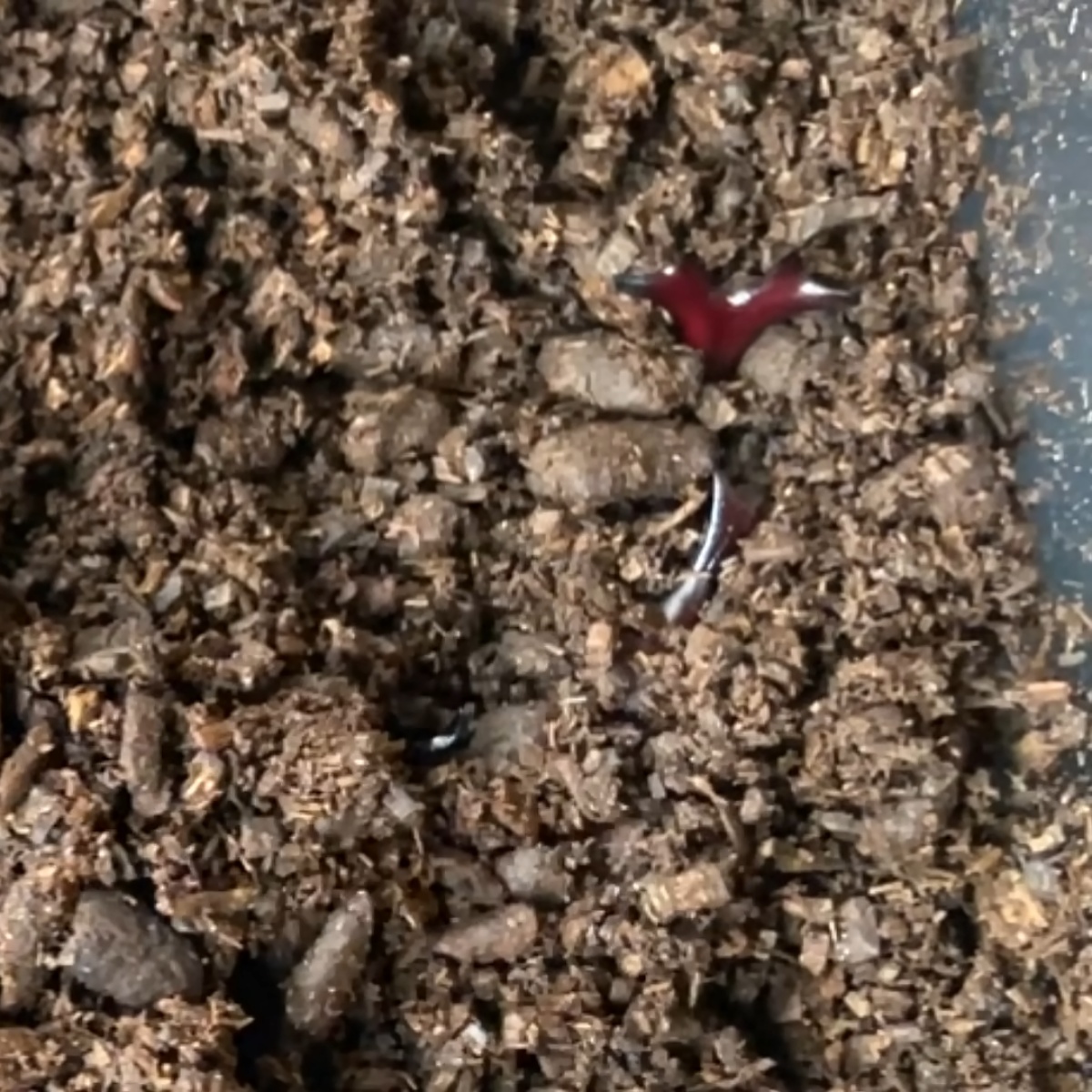
Schnee begins the season’s “dig-out” by retrieving individuals already showing their signature horn through the substrate. The first beetle to emerge this year is a male with notably strong red saturation from horn to claw—a textbook pick for next year’s pairing. A second male displays darker, blackish striping, handsome in its own right but less aligned with the color target. For a color-focused program, the first male clearly leads. Notably, overall numbers are down—about one-third of last year’s count—underscoring how selective goals and natural variability shape annual outcomes.
Why the dig-out? Timing, eclosion, and breeding plans
Schnee explains that separating larvae by sex early on would make excavation unnecessary. However, that method can cause “eclosion offset,” where females emerge significantly earlier than males. Because the project prioritizes timed pairings for breeding, the creator accepts the labor of annual excavations to reduce timing gaps. For hobbyists chasing size rather than color, Schnee recommends solitary rearing from the third-instar larval stage—a tried-and-true approach in Japan’s beetle community.
Japan’s beetle culture: science meets summer nostalgia
Rhinoceros beetles are woven into Japanese summer life. Children raise them in countryside towns, department stores stock seasonal supplies, and festivals sometimes feature beetle displays. This family-friendly tradition—equal parts nature study and nostalgia—has inspired a sophisticated community of enthusiasts. Japan’s rigor shows here: careful record-keeping, husbandry standards, and ethical breeding. Internationally, the project offers a window into how grassroots science can thrive in Japan’s hobby spaces. It’s educational content delivered with craft and care, the kind that makes foreign viewers consider a summer trip—or at least a deep dive into Japanese YouTube.
What it means and what’s next
The ninth year suggests consistent heritability for red coloration under strict selection, hinting that a stable “line” may be achievable if diversity safeguards continue. While not a commercial strain, the work could inform future color-focused projects across stag beetles and other popular species. For now, fans can expect a patient march toward an even purer red—one summer at a time. And in classic Japanese fashion, it’s less about rushing to the finish than about perfecting the craft along the way. To see the cohort and learn more about care and method, search “Schnee Channel” on YouTube and look for the 2026 summer video.