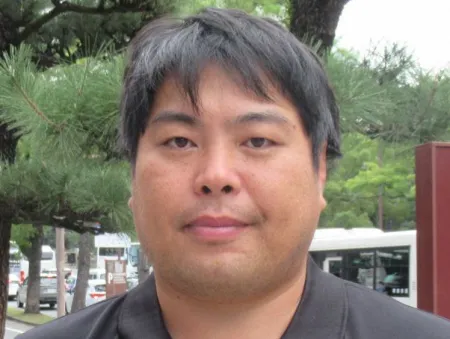
Nara, Japan — Nara City councilor Hezumaryu, 35, reported on X (formerly Twitter) that he was refused entry to a restaurant, saying he had been “banned again,” a move he acknowledged was “self-inflicted” yet still “frustrating.” The incident, which he described in a series of posts, has revived discussion in Japan about how public reputation, past misconduct, and the right of private businesses to refuse service intersect in daily life.
What happened, according to his post
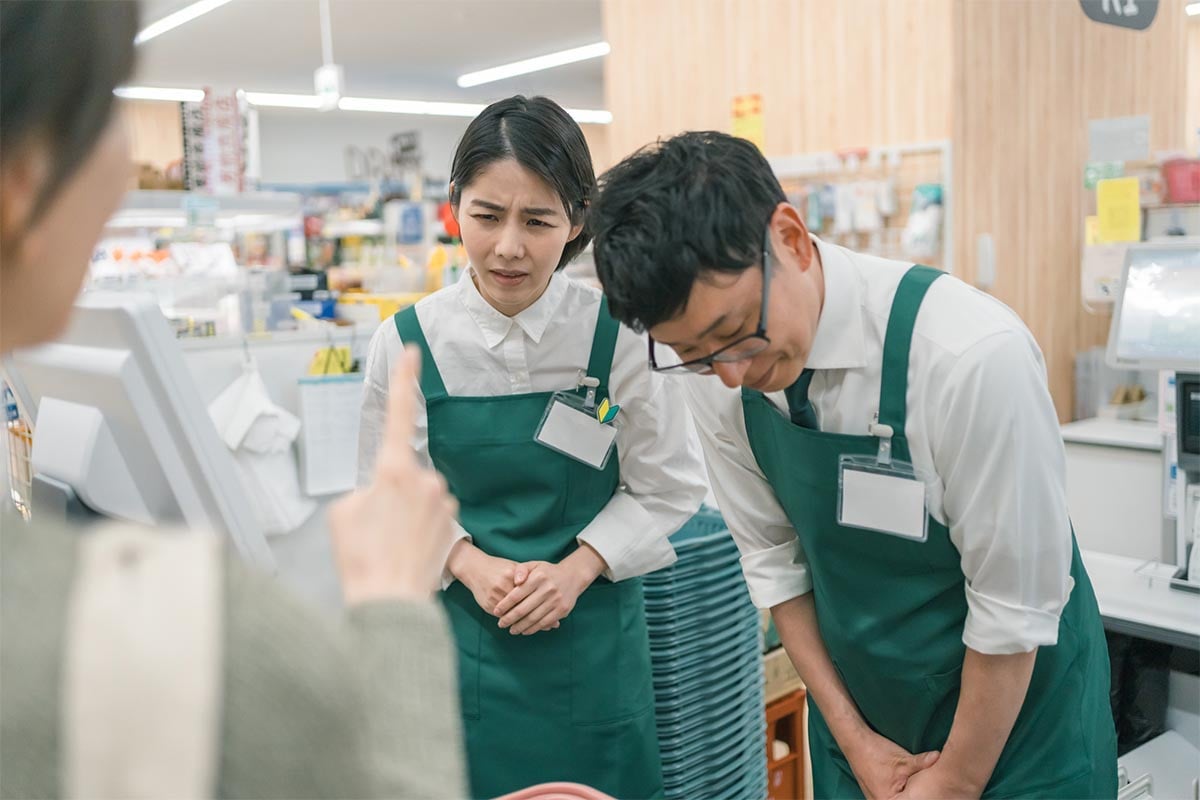
Hezumaryu wrote that he had arranged a meal with a company president who wanted to discuss what supplies might be needed “almost a month after the Kumamoto earthquake,” while also inviting him out to eat. When he arrived at the booked venue, a person he described as the manager reportedly asked, “Are you that famous person online?” He says he answered with a smile, “I’m Hezumaryu,” only to be told, “You can’t come in. Please leave.” The councilor said the two then changed restaurants. “It’s my own doing, but it still stings,” he posted, adding that he felt worst about inconveniencing the company president. He also said that, after discussing the episode, they agreed that when future reservations are made, the caller will add a simple disclosure: “This is Hezumaryu—is that acceptable?” He called the measure embarrassing but practical to avoid a repeat.
Who is Hezumaryu?
Hezumaryu rose to national notoriety as a “meiwaku-kei” (nuisance-style) online personality, a label attached to creators who chase clicks through disruptive stunts. In recent years, he has sought a public turnaround and now serves as a sitting Nara City councilor. His past controversies continue to shadow him, a reality he acknowledged in his post: while he accepted responsibility for earlier behavior, he pledged not to return to “meiwaku-kei” antics and to “continue doing good work.”
Why this matters in Japan’s service culture
Japan’s hospitality standards are world-renowned—polite, efficient, and quietly attentive. Yet this same focus on safety and harmony gives managers discretion to refuse service if they believe a guest could cause unrest or discomfort. Informal “dekin” (banned) practices are not unusual for individuals associated with prior disruptions. For many Japanese businesses, especially small, owner-run establishments, reputation management is part of risk management. The episode spotlights a broader national conversation: how long reputational penalties should last, and what redemption looks like for public figures who say they have changed.
Balancing trust, accountability, and a second chance
Japan’s social fabric places a premium on trust and predictable behavior, which is part of why public spaces feel orderly and safe. That same standard can be slow to forgive, especially when high-profile missteps created real-world fallout. For elected officials, the bar is even higher. The question facing voters and businesses alike is whether consistent, positive conduct over time can close the gap between past and present. In this case, the councilor’s decision to pre-disclose his name when booking suggests an effort to rebuild trust on the terms most meaningful in Japan: transparency, humility, and respect for the other party’s choice.
What expats and visitors should know
For newcomers to Japan, this story is a reminder that reputation is currency. While outright refusals are rare for ordinary patrons, establishments—especially intimate counter-style restaurants—care deeply about atmosphere and regulars’ comfort. Calling ahead, honoring reservations, and communicating clearly will take you far. Japan’s system tends to reward steady, courteous behavior; second chances are possible, but they’re earned gradually. In the meantime, businesses’ careful gatekeeping is one reason the dining scene feels consistently safe, welcoming, and impeccably run.
What’s next
The restaurant involved has not been named, and there has been no independent confirmation of the manager’s remarks. As of his latest posts, Hezumaryu says he will continue community-focused work and avoid the kind of antics that once made him a lightning rod online. The episode will likely keep fueling a national conversation about where Japan draws the line between safeguarding harmony and offering redemption—an area where the country’s strong social norms, and its capacity for forgiveness through action, continue to evolve.