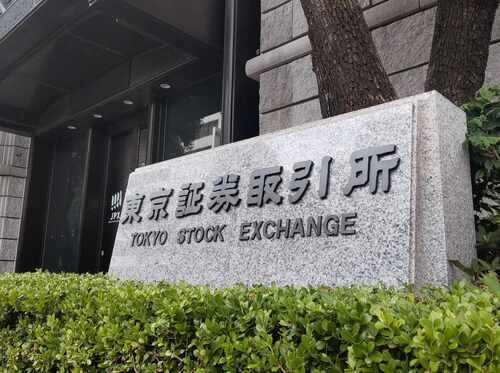
Japan heads into autumn with a fresh round of price revisions on everyday essentials. Teikoku Databank reports that 18,347 food and beverage items are set for implemented or scheduled price increases in 2026, with September alone topping 4,531 items—the year’s biggest monthly wave and the highest since October 2023’s 4,758. October is projected to add another 2,720 items. While inflation pressures are global, Japan’s corporate playbook stands out for its transparency and consumer focus, and for an investor-friendly tradition: shareholder perks that often send brands’ own products right back to loyal investors.
What’s going up—and why
September’s revisions cast a wide net: frozen foods, surimi products, soy sauce and other condiments, plus household goods and apparel will see adjustments. In October, price revisions continue for food and drinks, while policy changes add momentum—an excise hike on heated tobacco and the next stage of Japan’s multi-year alcohol tax reform are slated for October. Companies cite higher costs for raw materials, energy, logistics and packaging—pressures amplified by global energy volatility and elevated shipping costs.
Six brands announcing hikes—and their investor perks
Kikkoman (2801)
Price change: From September 1 deliveries, 291 items including soy sauce and soup bases will rise by 2%–22%, driven by raw material and logistics costs. Shareholder perk: For holders of 100 shares who maintain at least six months of continuous ownership, Kikkoman sends a once-a-year assortment of group products worth about ¥1,000. Record date: March 31.
Nissui (1332)
Price change: From September 1 deliveries, household and foodservice frozen items will rise roughly 2%–17%, reflecting higher packaging, energy, logistics and input costs linked in part to elevated crude prices amid Middle East tensions. Shareholder perk: A minimum of 500 shares is required to qualify; eligible shareholders receive assortments of company products (such as canned or jarred items) worth about ¥3,000. Holders of 100 shares do not qualify.
Meiji Holdings (2269)
Price change: From October 1 shipments, three beverage items will rise ~16%–21%; from November 1 shipments, 11 chocolate and snack items (including Kinoko no Yama and Takenoko no Sato) will rise ~3%–8%, owing to raw material and energy costs. Shareholder perk: As of March 31 each year, shareholders with 100+ shares receive a once-a-year assortment of group products such as chocolates and snacks.
Ezaki Glico (2206)
Price change: From October 1 shipments, 169 items including Bisco and Big Pucchin Pudding will be raised in stages by 3%–15%, reflecting higher input, energy and logistics costs. Shareholder perk: Shareholders as of each June 30 receive a selection of group products (e.g., Pocky, Bisco). The value varies by holding period: ¥1,200 equivalent for 6 months to under 3 years; ¥1,800 equivalent for 3+ years.
Kirin Holdings (2503) / Kirin Beverage
Price change: From October 1 deliveries, suggested retail prices (ex-tax) for 166 beverage items—including Namacha and Gogo no Kocha—will rise by 5%–18% due to higher raw material, energy and logistics costs. Shareholder perk: Hold 100+ shares of Kirin Holdings for at least one year to choose one group product set (soft drinks, beer, etc.). Record date: December 31.
Yakult Honsha (2267)
Price change: From October 1, 12 dairy beverage items—including Yakult 400 and Joie—will see 8.3%–12.5% increases, reflecting higher input, logistics and labor costs. Shareholder perk: Conducted twice yearly (record dates: March 31 and September 30). March benefits include a choice of company product assortments or a QUO card; September benefits include free enrollment in the Tokyo Yakult Swallows official fan club, with additional product-set options for eligible holders.
Context for residents and newcomers
After decades of ultra-low inflation, Japan is navigating a careful normalization as companies pass through costs to preserve quality and stable supply. The government’s phased alcohol tax reform aims to streamline rates by 2026, while manufacturers continue improving efficiency and packaging. For households and foreign residents, practical steps include taking advantage of seasonal sales, private-label alternatives and reward programs. For long-term savers, Japan’s unique shareholder benefit culture (kabunushi yutai) offers tangible value—often in the form of the very products seeing price hikes—though investors should note eligibility thresholds, record dates and holding-period requirements.
Bottom line
September’s wave is broad, October’s is meaningful, and companies are communicating clearly. For consumers, planning purchases and watching supermarket campaigns will help. For investors, perks can partially offset higher shelves—while reinforcing a distinctly Japanese model of brand loyalty and stakeholder balancing. Always confirm the latest terms on each company’s IR site. This article is for information only and is not investment advice.