A forgotten beetle box becomes a viral surprise
A Japanese YouTuber has sparked buzz after reopening a long-neglected stag beetle breeding case and uncovering a thriving nursery of larvae. The video, posted by the channel “世界カエル指食われ協会” (literally, “World Association of Fingers Bitten by Frogs”) run by creator “Mushi” (@mushi_frog), has topped 13,000 views at the time of writing. Viewers reacted with a mix of delight and shivers—comments like “so many!” and “this gives me goosebumps” captured the moment a simple plastic box revealed just how busy nature can be when left to its own devices.
The setup: a carefully prepared pair, then three quiet months
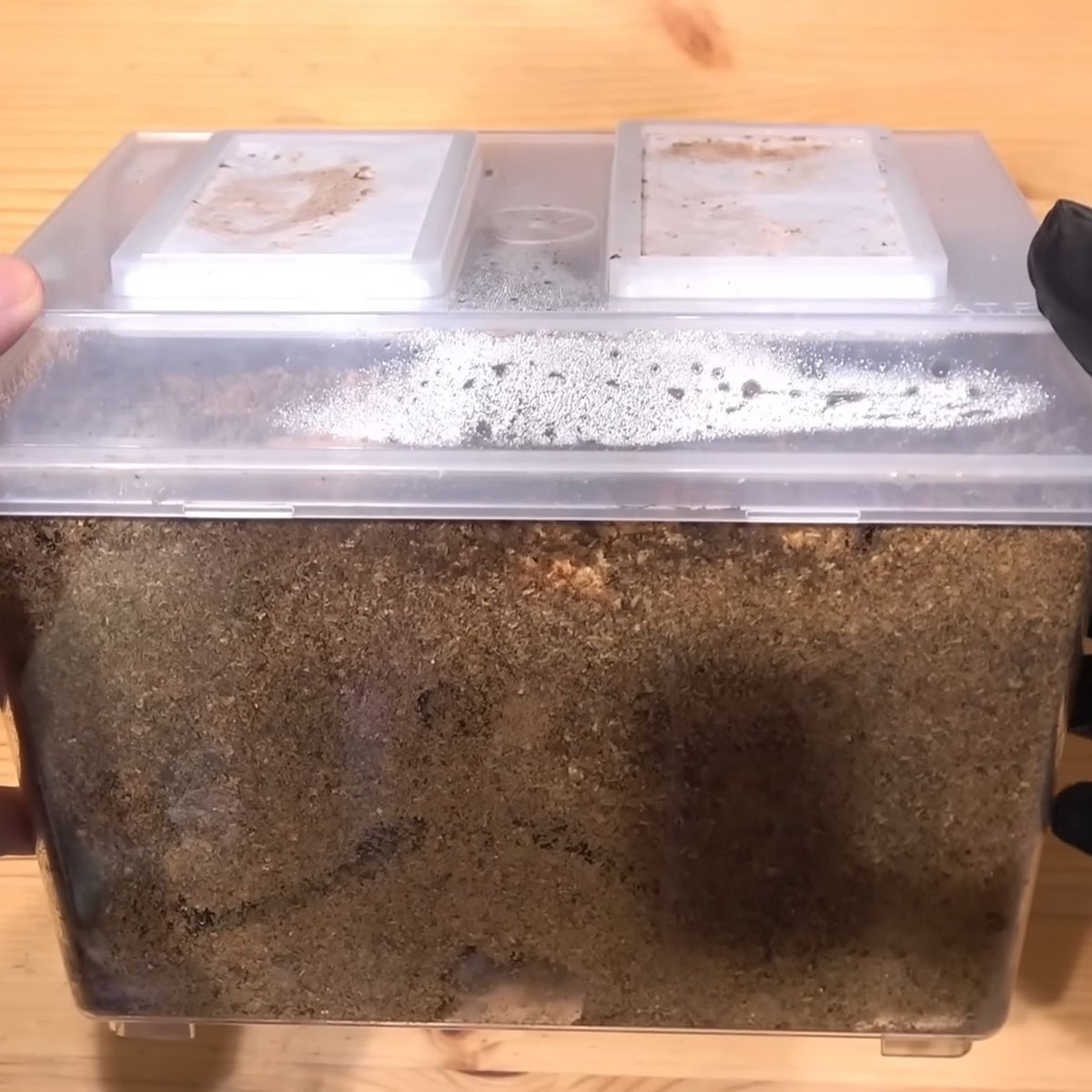
The story began when Mushi introduced a pair of Japanese giant stag beetles (ookuwagata), placing a male and female together in a breeding-ready case for about two weeks. After that cohabitation period, both adults were removed from the enclosure—standard practice when hoping the female has already laid eggs. The breeding set contained not just soil, but a special, mycelium-inoculated substrate known as “kinshi,” a food-rich medium that early-stage larvae can readily eat. Then, life intervened: the case sat untouched for roughly three months.
What emerged: growing larvae—and an unexpected guest
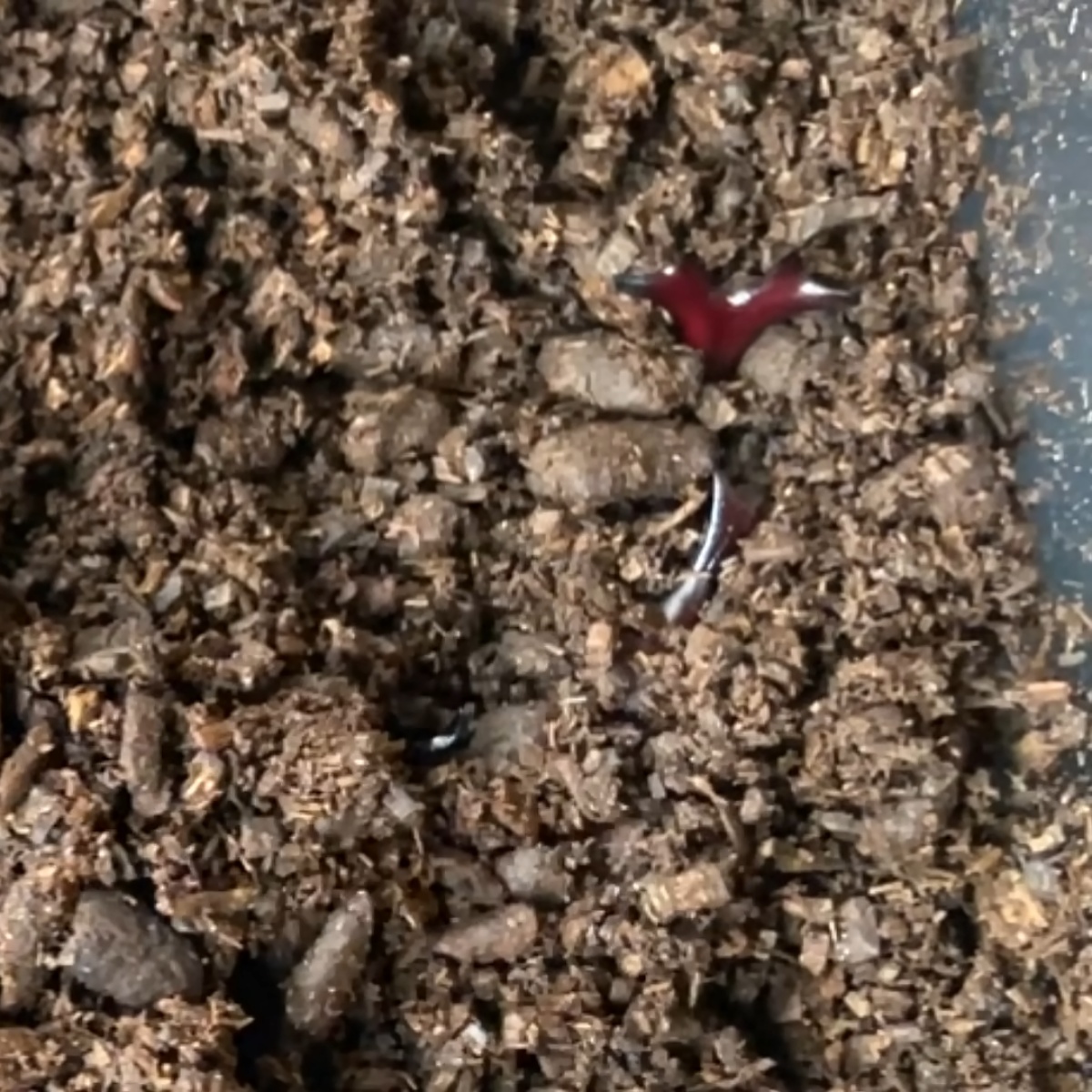
When the creator finally examined the clear-sided case, there were telltale tunnels and voids running along the substrate. Rotating the container revealed at least four robust larvae pressed up against one side—clear evidence the female had successfully laid eggs and the brood had been feeding well. On opening the box, Mushi also found a dramatic overgrowth of yellow, fluffy material on the upper layer: slime mold (a single-celled organism without a brain or nerves) that had proliferated in the humid, nutrient-rich environment. While not usually dangerous to insects, heavy slime mold growth can degrade substrate quality, prompting the creator to intervene, carefully excavate the larvae, and assess their numbers and health. To keep the project manageable, a smaller case had been used intentionally to limit the total brood size.
Japan’s enduring love for beetles
Beyond the viral moment, the video spotlights a uniquely Japanese passion. Keeping and breeding rhinoceros beetles (kabutomushi) and stag beetles (kuwagata) is a beloved tradition in Japan, blending childhood nostalgia with hands-on natural science. From summer bug-hunting in rural woods to well-stocked urban pet shops, supplies like kinshi bottles, specialized substrates, and temperature-stable cases are widely available. The Japanese giant stag beetle (Dorcus spp.) is especially prized for its impressive mandibles and longevity compared to other beetles, making it a favorite for enthusiasts who enjoy observing the entire life cycle—from egg to larva, pupa, and adult.
Care, ethics, and tips for newcomers
The episode also offers a gentle reminder about husbandry basics. Breeders typically check substrate conditions regularly, separate larvae to avoid crowding, and refresh kinshi when it’s depleted or contaminated. Slime mold outbreaks signal that it’s time to aerate or replace substrate. For newcomers in Japan, starting is straightforward: pet stores, specialty insect shops, and online marketplaces sell starter kits, kinshi, and care guides. Responsible keepers avoid releasing captive-bred insects into the wild, source only native species, and treat even tiny larvae with care.
Why it matters
Japan’s beetle culture isn’t just a hobby—it’s a window into biodiversity, citizen science, and everyday curiosity. This video’s success underscores how accessible nature can be, even in a small apartment. It also highlights the country’s thriving DIY ecosystem around invertebrate care, where learning by doing is encouraged and knowledge is shared across generations. For expats and visitors, it’s a charming entry point to understanding Japan’s relationship with the natural world: equal parts respect, wonder, and meticulous craftsmanship—right down to what’s hidden beneath the surface of a simple plastic box.