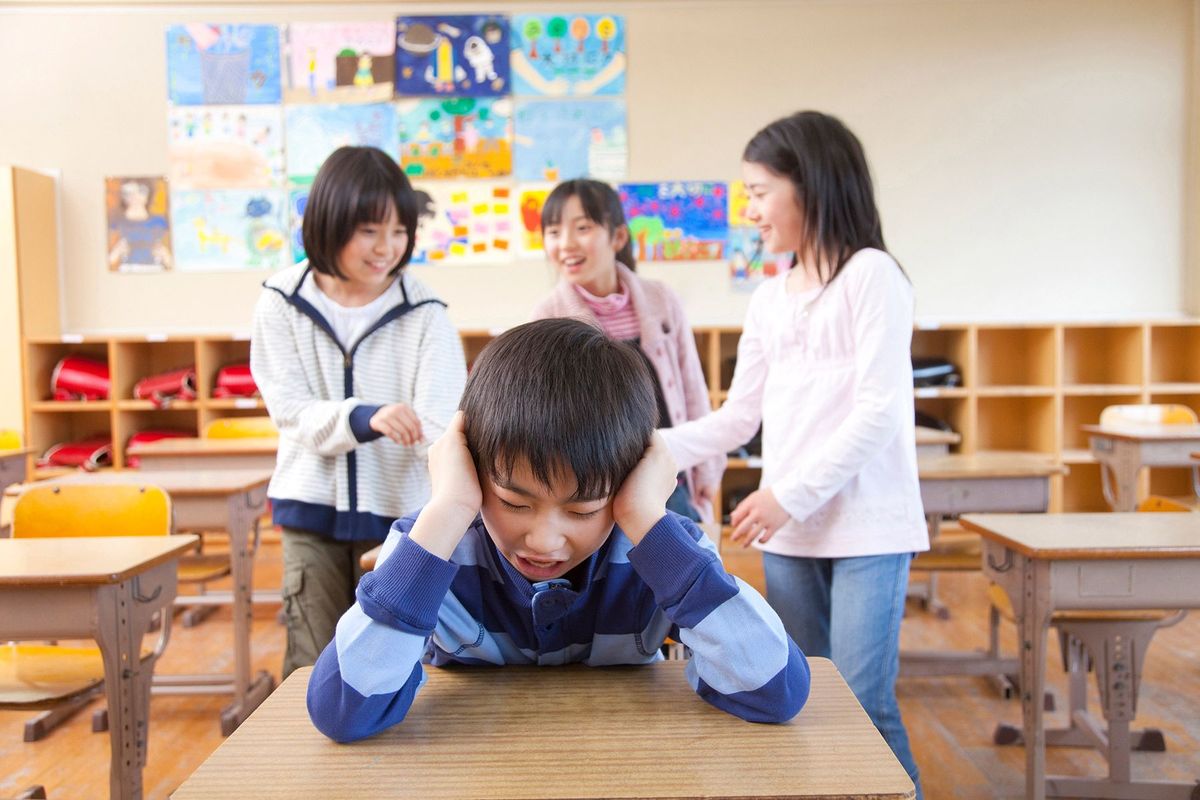
Japan is grappling with a difficult new reality at the intersection of technology and teen well-being. As conversational artificial intelligence becomes a confidant for a growing number of young people, a tragic case has sharpened the debate: a 16-year-old high school student who had been seeking advice from ChatGPT took her own life in 2025, according to interviews with her guardians. The episode has intensified a nationwide conversation about how parents, schools, and communities can support youths who turn to AI with their most private struggles—without pushing them further into secrecy.
What happened—and why it matters
The student, a second-year high schooler (roughly Grade 11), began asking ChatGPT questions from the first term of the school year. In late September she raised concerns about friendships, and about a month and a half later she died by suicide. Her chat history reportedly reached around 600,000 Japanese characters and included stark expressions of self-loathing and a wish to disappear. Notably, the AI referred her to “Inochi no Denwa,” Japan’s long-standing Lifeline, at least 45 times. Family members say they did not know she had been confiding in an AI. The case underscores a painful paradox of the digital age: AI can signpost help, yet a struggling teen may still stay silent offline.
A fast-rising trend among youths
This tragedy comes amid evidence that AI is becoming a common outlet for young people’s mental health questions. A U.S. survey conducted in November 2025 found that one in five respondents aged 12–21 had asked an AI about mental health. Among those, 43% used AI at least monthly, and 6% said they engaged almost daily—while 63% said they told no one they were doing so. The data echo what Japanese educators and clinicians are observing: private, always-on chatbots feel safe and judgment-free to teens, especially around friendships, anxiety, and identity. That privacy, however, can also mean isolation from the very human networks that are most protective in a crisis.
Expert view: Understand use, avoid blanket bans
“It is crucial for adults and support providers to know which AI is being used and what is being discussed,” says Dr. Yusuke Masuda, director of Waseda Mental Clinic in Tokyo and an expert on AI dependence. He warns that repeatedly seeking agreeable answers can narrow a young person’s thinking, and that turning to AI to avoid interpersonal friction may deepen isolation. Yet he cautions against outright bans: prohibitions can drive use underground. Instead, Masuda argues, adults should proactively explain safe, realistic AI use for mental health questions—before problems escalate.
Japan’s approach: Safety-first literacy and community support
Japan is leaning into balanced, practical solutions. The Ministry of Education has issued guidance encouraging AI literacy in schools—emphasizing critical thinking, privacy, and when to escalate to a trusted adult or professional. Many local boards of education are piloting digital well-being and counseling-awareness modules, while school counselors and nurses (yogo teachers) remain key support points on campus. National suicide prevention policy prioritizes youth outreach and community-based help, with “Inochi no Denwa” and the Yorisoi Hotline offering confidential, multilingual assistance. Japan has also championed international guardrails for generative AI through G7-led discussions—aligning innovation with safety and transparency.
Practical steps for families and schools
For parents and educators, experts recommend several concrete moves. First, open the door: invite teens to show how they use AI, including saved chats, with a spirit of curiosity rather than judgment. Second, co-create a safety plan: agree on trusted adults, school resources, and professional hotlines to contact if self-harm thoughts arise—making clear that AI is a tool, not a therapist. Third, set smart guardrails: explain that models can err, hallucinate, or miss risk; encourage cross-checking advice with real people. Fourth, build human connection: regular check-ins, peer support groups, and quick access to school counselors can prevent isolation that online chats sometimes reinforce. Finally, normalize help-seeking: praise the courage it takes to ask for help—in any form—and guide teens from the screen toward human support.
Resources in Japan
If you or someone you know in Japan is struggling, confidential help is available. Inochi no Denwa (Japan Lifeline), the Yorisoi Hotline, and TELL Lifeline (English-language support) provide phone and chat services; consult their official websites for current contact options and hours. In emergencies in Japan, call 110 for police or 119 for ambulance services. AI can be a bridge to care, but human connection remains the strongest lifeline.
The bigger picture
Japan’s response is notable for its balance: equip youths to navigate AI wisely, strengthen real-world safety nets, and involve families and schools as active partners. The technology is here to stay; the question is how to channel it toward earlier intervention and more compassionate care. With thoughtful literacy, clear escalation paths, and robust community supports, Japan aims to harness AI’s promise while safeguarding its most important asset—its young people.