Nationwide consultation focuses on child-support rights
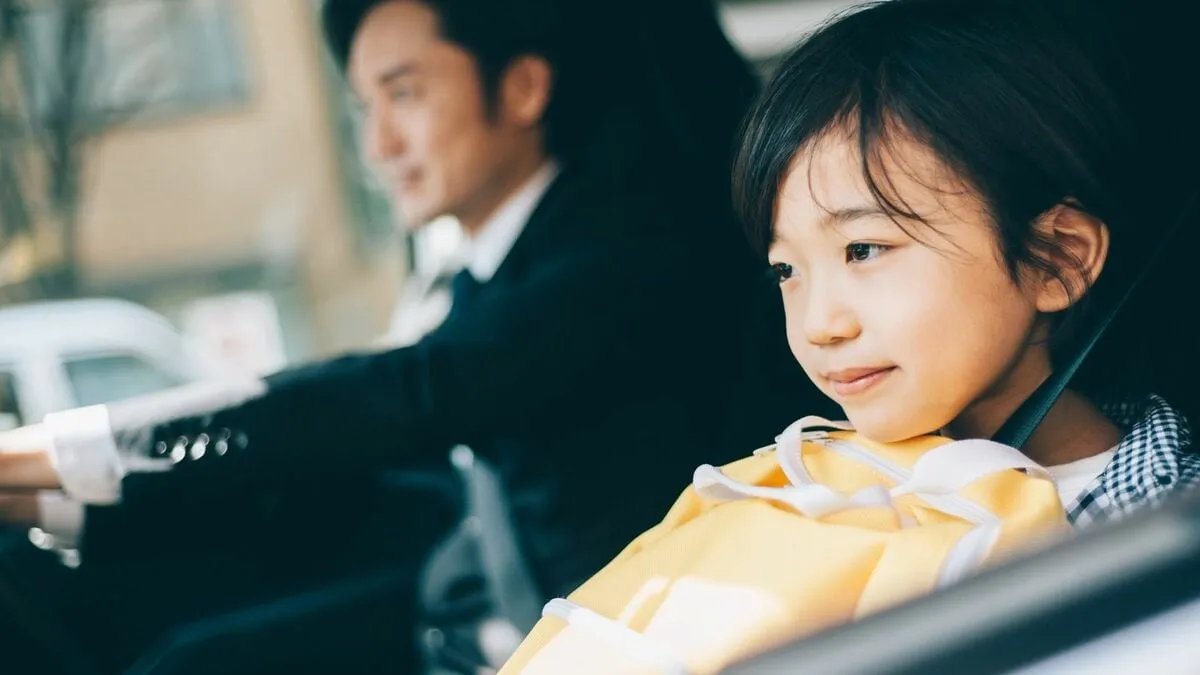
As child poverty remains a serious social issue in Japan, judicial scriveners are offering free telephone consultations nationwide for parents seeking advice about child support. The initiative is designed to help families understand their legal options, particularly when payments are delayed, reduced or never made.
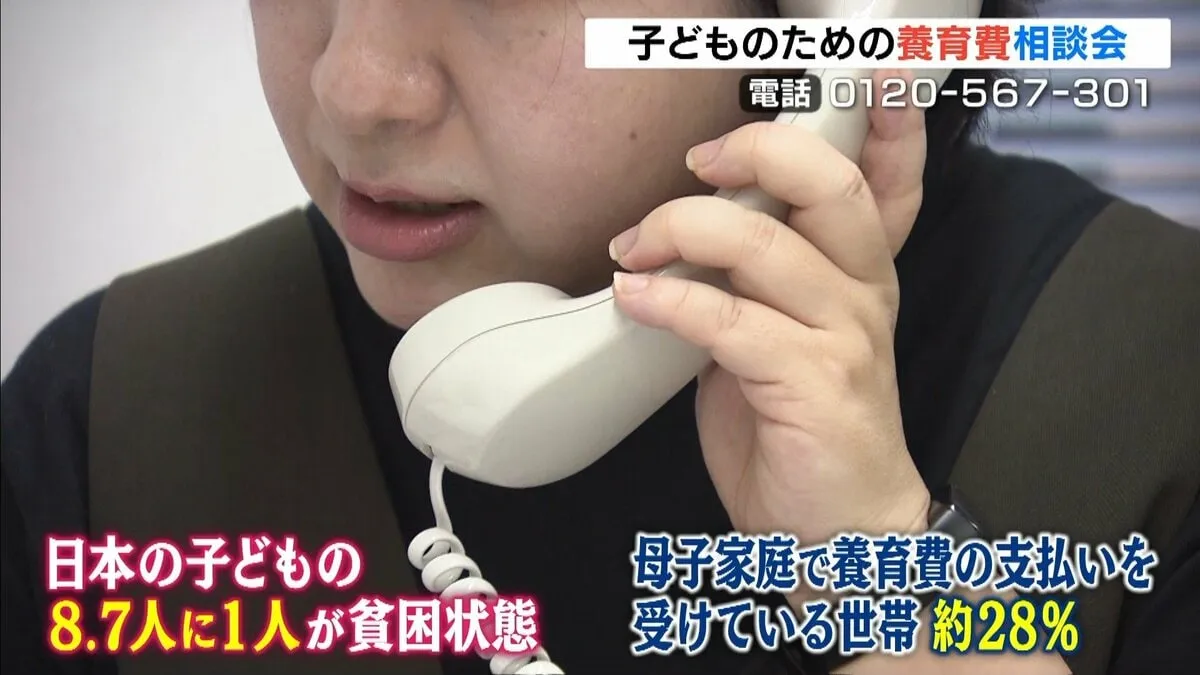
According to information from the Osaka Judicial Scriveners Association and related organizations, an estimated one in every 8.7 children in Japan is currently living in poverty. The figures highlight the financial pressure faced by many households, especially single-parent families. Among single-mother households, only around 28 percent are reported to receive child-support payments from the other parent.
Legal reforms strengthen support-payment measures
Japan has introduced stronger measures to address unpaid child support through revisions to its Civil Code that took effect in April. One important change is the introduction of “statutory child support,” which can allow a parent to seek provisional support even when no specific child-support agreement was made at the time of divorce.
The revised framework also includes a preferential right that can make it easier to secure payment from the other parent’s assets in certain circumstances. These measures are intended to reduce the number of children and guardians left without reliable financial assistance after a separation or divorce.
For foreign residents in Japan, the system can be difficult to navigate because child-support arrangements are connected to Japanese family law, court procedures and enforcement rules. Language barriers, uncertainty about documentation and concerns about contacting a former spouse may also discourage people from seeking help. Legal consultations can provide an important first step by explaining what documents may be needed and which procedures could apply.
Organizers urge parents not to face the issue alone
Mayu Morimoto, head of the Osaka Young Judicial Scriveners Association, said the consultation was intended to reassure people that support is available.
“We want people to understand that they do not have to worry alone, and that there are people willing to listen and help,” Morimoto said.
Judicial scriveners, known as shiho shoshi in Japan, are legal professionals who assist with a range of documents and procedures, including certain family-law and enforcement matters. While they do not replace an attorney in every case, they can help callers understand the administrative and legal steps available to them.
Free telephone service available nationwide
The nationwide event, titled “All-Japan Child-Support Consultation for Children,” is scheduled to run from 10 a.m. until 9 p.m. on September 5. Consultation is free, and callers can speak directly with judicial scriveners by calling 0120-567-301.
The initiative reflects a broader effort in Japan to ensure that children’s living conditions are not determined solely by whether a separated parent voluntarily pays support. By improving access to information and strengthening enforcement tools, policymakers and legal professionals hope to make child support more dependable for families across the country.
People considering using the service should confirm the event date, operating hours and language availability before calling. Those facing urgent financial or safety concerns may also wish to consult their local government, a family court or a qualified legal professional.