Japan introduces stricter standards for permanent residency
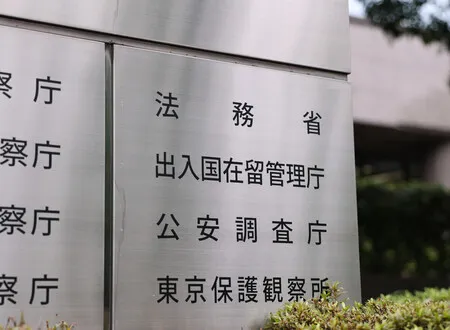
Japan has revised its guidelines for granting permanent residency to foreign nationals, placing greater emphasis on long-term financial independence, pension prospects, Japanese-language ability and understanding of life in Japan. The Immigration Services Agency announced the changes on the first day of the month, marking a significant update for foreign residents planning to build their future in the country.
Under the revised guidelines, applicants are expected to demonstrate that they can continue to support themselves independently. In practical terms, officials will consider whether an applicant’s income consistently exceeds the average income of Japanese households. The guidelines also ask whether the applicant’s expected future pension benefit would reach a level comparable to what could be received by someone earning that income while paying into the employees’ pension system for 30 years.
Income and pension records will receive closer attention
The income-related requirement applies to applications submitted from April onward that remain under review. This means some applicants who have already filed their applications may be assessed under the newly clarified standard, depending on the status and timing of their case.
The revised guidance also recognizes that pension projections do not tell the entire story. If an applicant’s expected pension falls short of the indicated level, the shortfall may be offset by sufficient financial assets. This provision suggests that officials will examine an applicant’s overall financial position rather than relying exclusively on salary or projected pension income.
Japan’s Immigration Control and Refugee-Recognition Act traditionally sets out three broad conditions for permanent residency: good conduct, the ability to maintain an independent livelihood through assets or skills, and compatibility with Japan’s national interests. The updated guidelines provide more detail on how those principles may be interpreted in practice.
Japanese-language ability and social integration highlighted
The national-interest requirement has also been clarified. Applicants are expected to bring “active and concrete” benefits to Japan, while officials may consider their Japanese-language ability and understanding of Japanese systems and institutions. These factors may include the applicant’s ability to communicate in daily life, understand social and administrative procedures, and participate responsibly in the wider community.
Further implementation measures are scheduled for April next year, while the income-related provision is being applied earlier to certain pending cases. Authorities have not indicated that every applicant must meet an identical numerical income threshold, and individual circumstances will remain important. However, the revised guidance clearly signals that permanent residency is being treated as a long-term status requiring stable self-support and meaningful integration.
What the changes mean for foreign residents
For foreign professionals, families and long-term residents, the changes make careful preparation more important than ever. Applicants may need to organize employment records, tax and pension payment histories, income documentation, savings information, Japanese-language qualifications and evidence of their understanding of life in Japan.
Japan remains an attractive destination for international talent, students, entrepreneurs and families, and the revised framework is intended to make the permanent-residency process more sustainable and transparent. At the same time, applicants should seek up-to-date advice from the Immigration Services Agency or a qualified immigration professional because the application of the guidelines can depend on individual circumstances and the timing of each case.