Japan begins collecting nationality information in property registrations
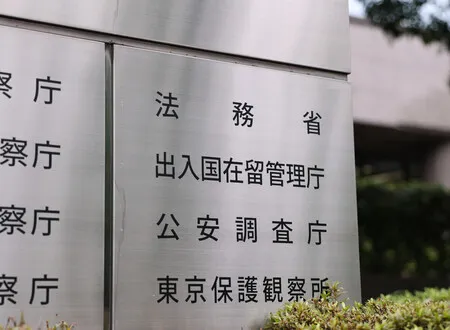
Japan has introduced a new requirement for real estate ownership registration, making it mandatory for new property owners to declare their nationality when applying to register a transfer of ownership. The rule applies to transactions such as purchasing a condominium or other real estate and took effect from today, according to the Ministry of Justice.
The new system is designed to help the government understand who owns property across Japan. When ownership is transferred to a new buyer, the applicant must now provide nationality information as part of the real estate registration process. The measure does not itself prohibit foreign nationals from purchasing property in Japan. Rather, it creates a more systematic way for authorities to identify the nationality of new owners.
Why the government introduced the measure
The Ministry of Justice says that understanding the actual situation of foreign ownership is important for the appropriate use and management of Japan’s land. Japan has experienced growing interest from overseas buyers, particularly in major urban areas, resort destinations, and regions popular with international residents and visitors.
Foreign nationals can generally purchase real estate in Japan, and ownership is not limited solely to Japanese citizens. International buyers have acquired apartments, homes, commercial buildings, and land for a range of reasons, including residence, investment, business operations, and long-term asset management. However, the government has faced increasing calls for more reliable information about who owns property and how land is being used.
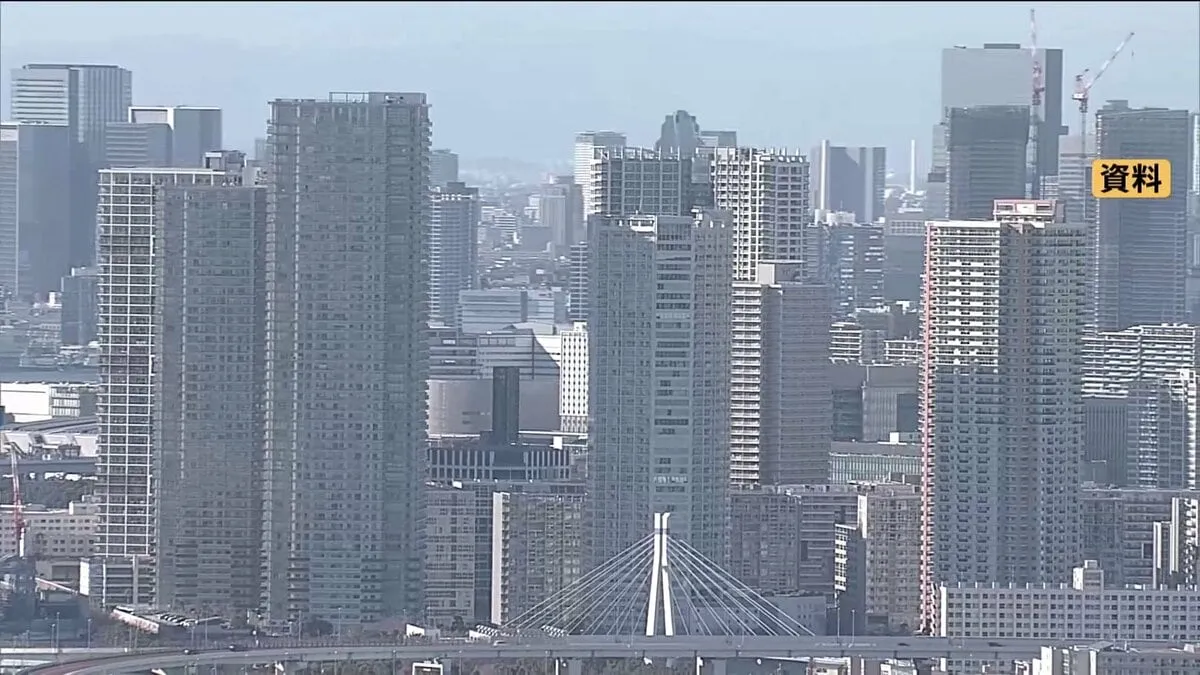
Some critics have linked overseas demand to rising condominium prices, especially in popular cities and tourist areas. While property prices are influenced by many factors—including limited land supply, construction costs, interest rates, domestic demand, and urban concentration—the increased presence of international buyers has become part of the wider debate over housing affordability and land management.
Potential benefits for administration and inheritance
Officials also say that recording nationality information could make inheritance-related procedures more efficient. When a property owner dies, identifying the relevant heirs and confirming ownership can be complicated, particularly when family members live overseas or when documents must be checked across jurisdictions. A clearer administrative record may help authorities and families confirm necessary information more smoothly.
The nationality information collected through the registration process is expected to be shared and used among government agencies. This could support land policy, public administration, and broader analysis of real estate ownership. At the same time, the handling of personal information will remain an important issue as Japan expands the use of administrative data.
What foreign buyers in Japan should know
For foreign nationals purchasing property in Japan, the new requirement means that nationality information must be included when registering a new transfer of ownership. Buyers should consult a judicial scrivener, real estate professional, or the relevant Legal Affairs Bureau if they need guidance on registration documents and procedures.
The policy represents a step toward greater transparency in Japan’s property market while preserving the ability of international buyers to own real estate. Its long-term impact will depend on how the information is used, how effectively privacy is protected, and whether the data leads to better evidence-based decisions about housing, land use, and regional development.