Foreign-related transactions remain a small share of Japan’s large-scale land market
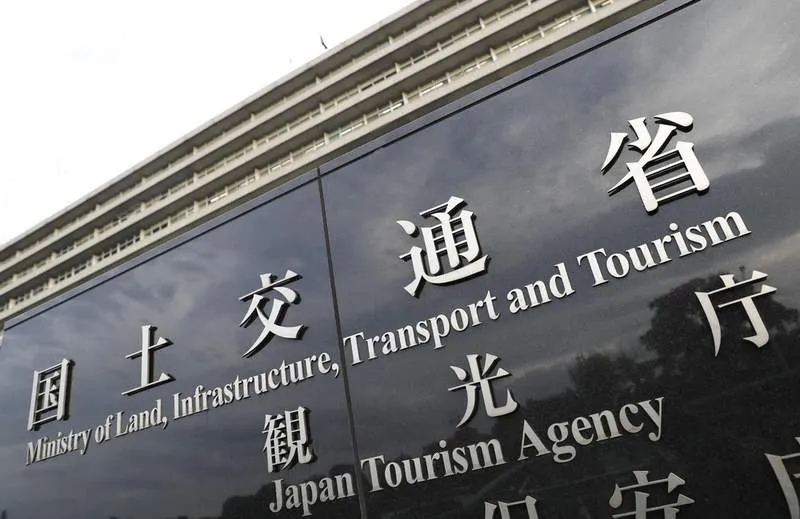
Japan’s Ministry of Land, Infrastructure, Transport and Tourism has released its first nationwide tally of large-scale land acquisitions involving foreign individuals and foreign corporations. The data covers transactions reported to local governments between July and December 2025 under Japan’s land-use regulations.
According to the ministry, 68 transactions involving foreign buyers were reported across 21 prefectures during the six-month period. These purchases represented 0.7% of the 9,573 large-scale land transactions covered by the reporting system. The ministry said the overall number of foreign-related transactions remained limited.
China recorded the highest number of transactions
By nationality or region, Chinese buyers accounted for the largest number of reported transactions, with 28 cases. The total included nine purchases by individuals and 19 by corporations. Hong Kong and the United States followed, with seven transactions each.
The figures identify the nationality of the buyer or the country or region associated with the purchasing entity. They do not, by themselves, indicate that any transaction violated Japanese law or that a particular property presented a security concern. Rather, the data provides the government with a clearer picture of ownership trends in significant land deals.
Hokkaido led the prefectural breakdown
Hokkaido recorded the highest number of transactions, with 19 cases. The ministry noted that purchases in and around Otaru and Niseko included a noticeable number of acquisitions for asset holding or resale purposes.
Hokkaido has become one of Japan’s most internationally recognized destinations for tourism, resort development and second-home investment. Niseko, in particular, has attracted overseas visitors and investors due to its winter sports facilities, international connectivity and strong demand for accommodation. While foreign investment has supported tourism and regional business activity, rising property prices and concerns about speculative purchases have also increased public interest in ownership patterns.
Factories and warehouses were the most common use category
By intended use, 23 transactions were classified as involving “production facilities,” including factories and warehouses. A further 21 were listed as purchases for asset holding, resale or similar purposes. These categories suggest that foreign participation is not limited to residential or resort property, but also includes land connected with industrial and commercial activity.
Why the reporting system was introduced
Japan amended the enforcement regulations of its National Land Use Planning Act in July 2025. The revision made it mandatory for buyers to report their nationality when notifying authorities about certain large-scale land acquisitions.
The requirement applies to purchases of 2,000 square meters or more in urbanization promotion areas, where shops and homes are concentrated. In areas outside designated urban planning zones, the threshold is 10,000 square meters or more. Local authorities collect the notifications, which are then compiled by the national ministry.
For foreign residents, companies and investors considering property in Japan, the system is an important reminder that large-scale purchases involve formal notification requirements in addition to ordinary registration, taxation and planning rules. The latest figures provide a baseline for future monitoring while showing that foreign-related transactions currently make up a small proportion of Japan’s large-scale land market.