Record pace of closures raises new concerns
Japan’s rice industry is facing a deepening crisis as more farmers abandon production amid soaring costs, an aging workforce and uncertain rice prices. According to a report broadcast on September 11, rice-farming closures and bankruptcies reached 32 cases by the end of August this year. The figure puts the sector on course to set a fourth consecutive annual record.
The trend is raising concerns not only for rural communities but also for consumers across Japan. If too many farmers leave the industry, the country could face reduced domestic production and renewed pressure on supermarket rice prices in the coming years.
Farmers caught between falling prices and rising costs
In Tochigi Prefecture, one of Japan’s leading rice-producing regions, producer Nobuyuki Okada of Okada Farm described the difficult conditions facing farmers. His operation produces approximately 60 tonnes of the “Niji no Kirameki” rice variety, but this year’s harvest has been disrupted by unusually prolonged rain.
Wet weather has slowed harvesting and prevented rice from drying properly. Okada warned that if harvesting is delayed further, the crop could remain in the fields too long, causing a significant decline in quality. A smaller or lower-quality harvest could put additional pressure on farmers already struggling to remain profitable.
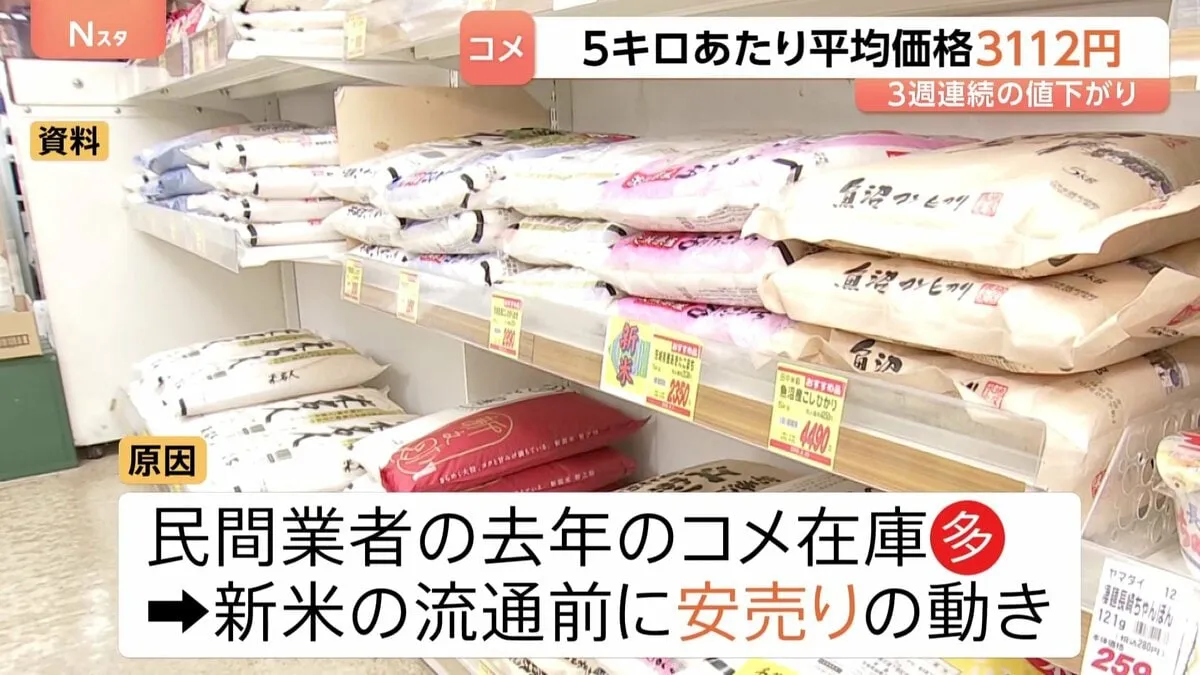
Production costs have reportedly risen by around 40 percent over the past two years. The increases extend beyond fuel and fertilizer to everyday materials such as the bags used to package unprocessed rice. At the same time, average retail rice prices have continued to fall, with some supermarkets offering new rice at prices in the 1,000-yen range before tax for a five-kilogram bag.
For consumers, lower prices may appear welcome after previous increases. For producers, however, the situation is becoming unsustainable. Okada said his farm is expected to lose nearly 10 million yen this year, adding that farmers cannot continue producing rice indefinitely while operating at a loss.
An aging workforce with few successors
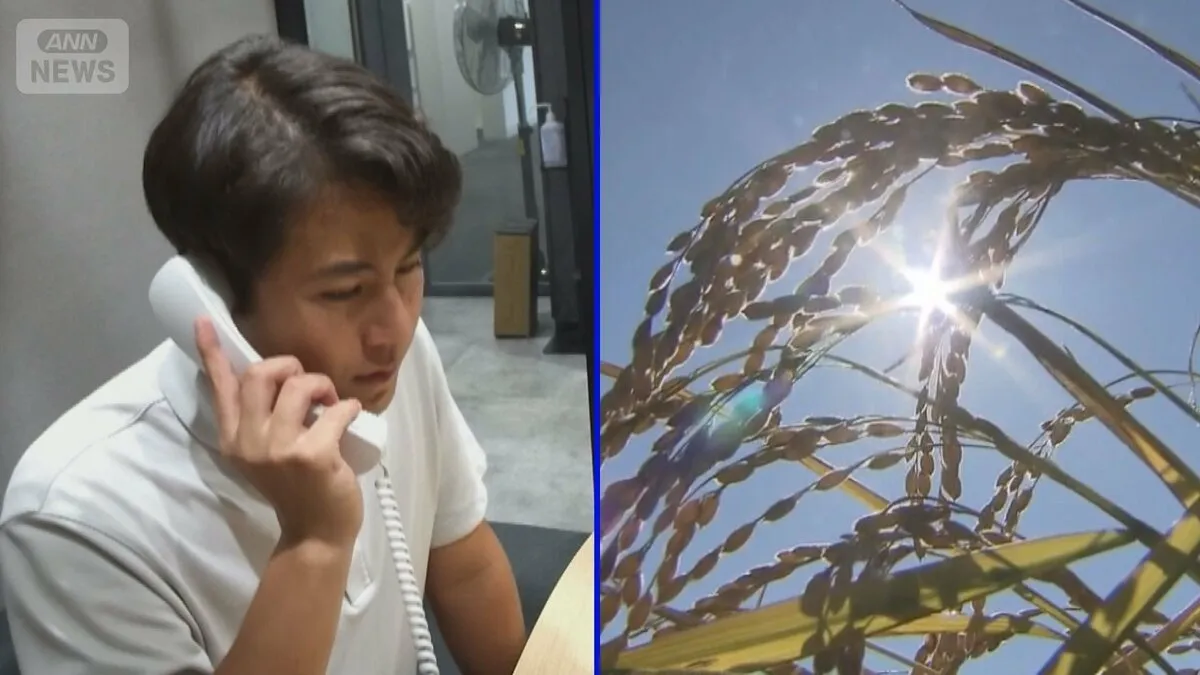
A rice farmer in his 60s, who plans to leave agriculture after this year’s harvest, said the decision was driven by several interconnected problems. The person working alongside him is in their 80s and can no longer manage demanding farm work. The farmer himself is approaching 70 and believes it would be difficult to purchase new machinery or take on debt without enough working years left to repay it.
He also said there is no successor and that farming no longer appears attractive to younger generations. Japan’s agricultural sector has long faced an aging workforce, with many family-run farms depending on older farmers and costly machinery. When these operators retire, nearby farms may not have the capacity to absorb their land.
Could Japan face another rice shortage?
Toshisuke Orikasa, a senior researcher at the Institute of Distribution Economics, warned that the effects may not be felt immediately. If more farmers conclude that rice prices are too low to cover production costs, a larger wave of withdrawals could emerge from the year after next onward.
That could eventually create a new rice supply shock, sometimes described as a possible “Reiwa-era rice crisis,” referring to Japan’s current imperial era. The concern is that falling prices today could discourage production, only for shortages and sharp price increases to appear several years later.
For Japan, the challenge is to balance affordable food for households with sufficient income for producers to continue farming. Measures that help farmers cover rising costs, encourage younger successors and support efficient land use will be essential. The future of Japanese rice will depend on whether the country can preserve both its cherished food culture and the economic foundation that sustains it.