Government wheat prices set to return to the 70,000-yen range
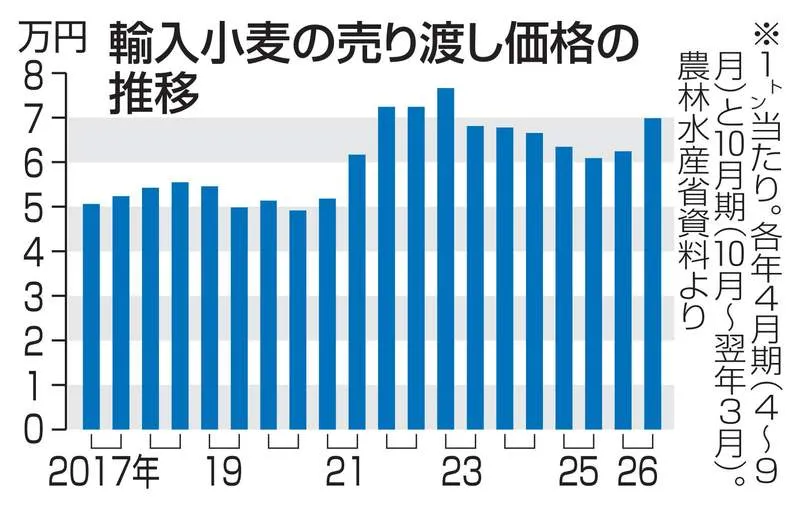
Japan’s Ministry of Agriculture, Forestry and Fisheries announced on September 9 that it will raise the average selling price of imported wheat by 12.0% for the October 2026-March 2027 period. The new price will be set at 70,020 yen per tonne, up from the average price applied during the April-September 2026 period.
This will be the first time in approximately three and a half years that Japan’s government-imported wheat has returned to the 70,000-yen range. The increase also marks the second consecutive pricing-period rise, highlighting the continuing pressure facing Japan’s food supply chain despite the country’s highly organized procurement system.
Global markets, the yen and shipping costs behind the increase
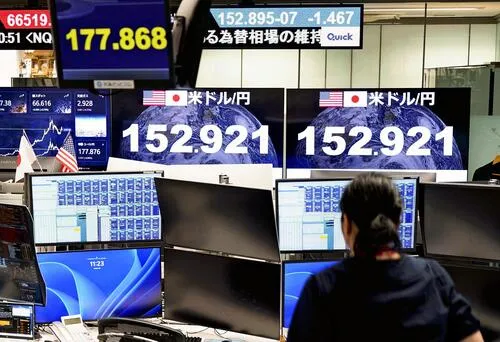
The ministry said the new price reflects several factors. International wheat prices have risen, while the weaker yen has increased the cost of importing commodities denominated in foreign currencies. In addition, maritime transportation costs have climbed amid heightened tensions in the Middle East, adding to the expense of bringing wheat to Japan.
Japan relies heavily on imported wheat because domestic production is not sufficient to meet demand from households and the food industry. The government manages imports of the country’s five main wheat varieties and sells them to flour millers and other businesses. This system helps maintain a stable supply of a key ingredient used in bread, noodles, pastries, pasta and many processed foods.
Prices remain below the post-invasion peak
The latest increase follows major volatility in global grain markets after Russia’s invasion of Ukraine in 2022. Japan’s government selling price reached a post-invasion high of 76,750 yen per tonne before later settling in the 60,000-yen range.
Although the new price is a significant increase compared with the previous period, it remains below that earlier peak. The adjustment nevertheless illustrates how international developments can affect everyday life in Japan, even when the original disruption occurs thousands of kilometers away.
Limited direct impact expected on consumers
A ministry official said the effect on consumers is expected to be limited because the cost of wheat represents only a relatively small portion of the retail price of wheat-based products. The final prices of bread, noodles and other foods also reflect labor, energy, packaging, transportation, rent and retail expenses.
However, the announcement could still contribute to broader pricing discussions in Japan. Food manufacturers and retailers must decide whether to absorb higher ingredient and logistics costs, adjust product sizes, or pass part of the increase on to consumers. The effect may vary depending on the product, company and timing of future price revisions.
For foreign residents and visitors, the change is unlikely to alter Japan’s well-established food culture overnight. Bakeries, ramen shops, convenience stores and supermarkets are expected to continue offering a wide range of affordable wheat-based products. Nevertheless, the latest decision provides a useful window into how Japan balances food security, global market conditions and consumer protection while maintaining a reliable supply of essential ingredients.