October price increases exceed 3,000 products
Japan’s food and beverage price increases reached 3,153 items in October, marking the second consecutive month in which more than 3,000 products were affected, according to an analysis by Teikoku Databank. The research examined pricing plans announced by 195 major food manufacturers, primarily covering products sold for household use.
The average increase per price revision was approximately 10 percent. October’s total was the second-highest monthly figure recorded in 2026, following September’s 4,965 items. It also represented the first time since June and July 2023 that the number of food products subject to increases exceeded 3,000 for two consecutive months.
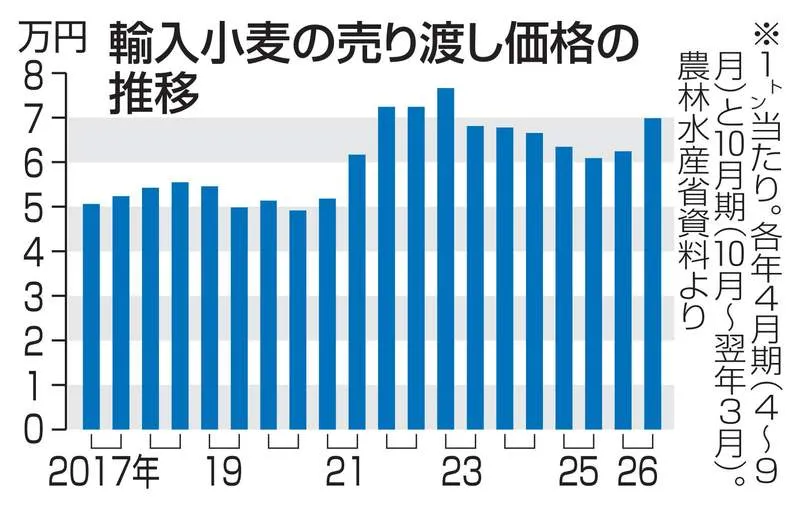
Teikoku Databank said the latest increases reflect a combination of higher crude oil and naphtha prices linked to worsening tensions in the Middle East, rising labor and logistics costs, and the continued weakness of the Japanese yen. Naphtha is widely used in the production of plastic packaging, making energy-market developments an important factor for food manufacturers and retailers.
Alcoholic drinks and beverages lead October increases
The category with the largest number of increases in October was alcoholic beverages and soft drinks, with 1,399 products affected. This was the first time in a year that the category ranked highest across all food sectors. The increases covered a broad range of products, including happoshu and so-called “third-category” beer-style beverages, shochu and other alcoholic drinks, as well as soft drinks.
Changes to Japan’s liquor tax structure also contributed to higher prices for some beer-related products. For consumers, the impact may be particularly noticeable because beverages are purchased frequently and are commonly included in household shopping baskets.
Seasonings ranked second, with 820 products affected. Mayonnaise, soy sauce and prepared sauces were among the products cited. Processed foods, including canned goods, frozen and chilled products, and food for infants and young children, also saw widespread increases.
Annual total surpasses 20,000 items for a second year
The number of food and beverage products known to have undergone price increases during 2026 reached 20,187, based on announcements identified through December. This marks the second consecutive year in which the annual total has exceeded 20,000 items.
Price increases were heavily concentrated in the second half of the year. More than 8,000 items were affected during September and October alone, accounting for roughly 40 percent of the annual total. Although 1,469 products had already been identified for November, that figure was expected to be substantially lower than the September and October totals. Teikoku Databank therefore expects the 2026 price-increase wave to have peaked in October and to ease temporarily toward the end of the year.
Across the full year, processed foods—including frozen products and packaged cooked rice—recorded the largest number of increases, at 6,961 items. Seasonings followed with 6,250 items, while alcoholic beverages and soft drinks accounted for 3,309 items and confectionery products for 1,390 items. Four food categories exceeded their previous-year totals, with processed foods more than 40 percent above the previous year’s result of 4,791 items.
Cost pressures remain a challenge for Japanese households and manufacturers
Higher raw-material costs were cited in 91.3 percent of the price increases, making them the most common factor. Energy costs, including electricity, were involved in 63.8 percent of cases, while the weak yen and higher import costs were cited in 8.1 percent. In addition, 27.8 percent of the increases were linked to the situation in the Middle East, mainly through its effects on crude oil, naphtha, packaging and transportation expenses.
For foreign residents and visitors in Japan, the changes may be visible in everyday purchases at supermarkets, convenience stores and restaurants. Japan’s food market is known for its wide product variety and competitive pricing, but manufacturers are facing pressure to balance affordability with the rising cost of ingredients, packaging, distribution and staffing.
Teikoku Databank expects intermittent price increases to continue into 2027. A yen exchange rate above 150 to the U.S. dollar, continued geopolitical uncertainty, extreme weather and possible supply disruptions affecting agricultural, livestock and seafood products are all potential sources of further pressure. While some indicators, including rice prices, have shown signs of easing, the broader cost environment remains difficult for both producers and consumers.