Japanese long-term interest rates reach three-decade high
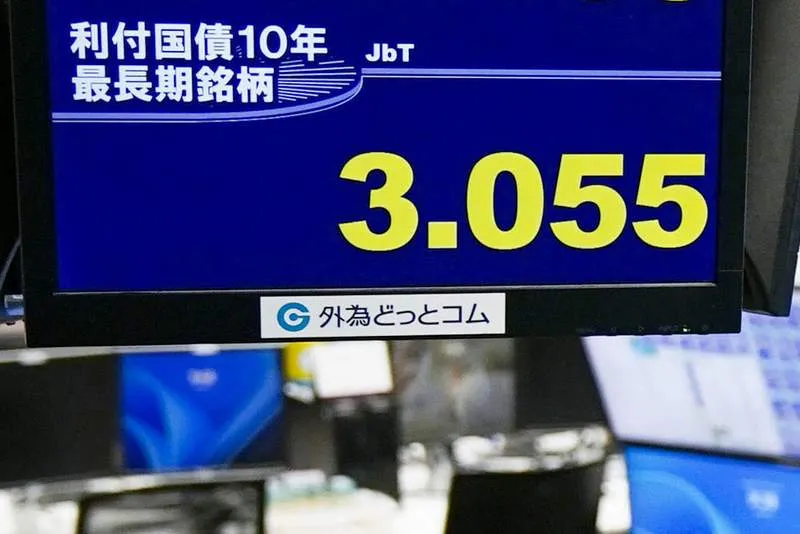
Japan’s benchmark long-term interest rate briefly climbed to 3.055% on the first trading day after the holiday break, marking its highest level in approximately 30 years. The increase occurred in the government bond market on the 24th, where the yield on the newly issued 10-year Japanese government bond rose during trading.
The bond, identified as the 383rd issue and carrying a coupon rate of 2.7%, is closely watched because its yield serves as a key reference point for borrowing costs across Japan. According to Japan Bond Trading Co., the 10-year yield reached a level not seen since September 1996.
US market developments put pressure on Japanese bonds
The rise in Japanese bond yields was partly linked to a sharp increase in US long-term interest rates on the previous day. Economic indicators released in the United States on the 23rd exceeded market expectations, prompting investors to reassess the outlook for the US economy and monetary policy.
Stronger-than-expected data increased speculation that the US Federal Reserve may continue raising interest rates or maintain higher rates for longer. As expectations for future rate increases grew, investors sold US Treasury bonds. Bond prices and yields move in opposite directions, meaning that increased selling pressure pushed US yields higher.
Those movements quickly influenced Japan’s bond market. Global investors closely compare government bond yields in major economies, and changes in US rates can affect investment flows, currency markets, and expectations for central-bank policy in Japan. The resulting pressure contributed to higher yields on Japanese government bonds.
Bank of Japan policy remains under scrutiny
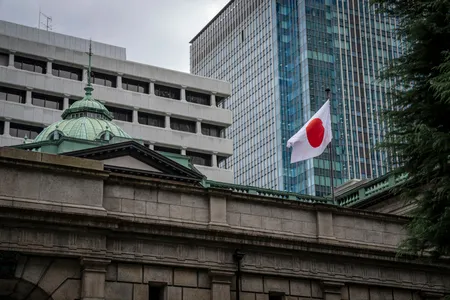
The market move also comes as investors examine the Bank of Japan’s direction after its latest monetary policy meeting. At the meeting held on the 17th and 18th, the central bank decided to raise interest rates. However, two members of its policy board opposed the decision, highlighting the debate over how quickly Japan should move away from its long period of exceptionally accommodative monetary policy.
Japan’s interest-rate environment is particularly important because the country spent many years dealing with low inflation, weak demand, and unusually low borrowing costs. The gradual return of inflation and changes in global financial conditions have encouraged the Bank of Japan to normalize policy, but officials must balance price stability with the needs of households and companies.
What higher yields could mean for Japan
Higher government bond yields can increase financing costs for the Japanese government, companies, and some households. They may also influence mortgage rates, corporate investment decisions, and the returns available to savers. At the same time, higher rates can support income for depositors and reflect greater confidence that Japan’s economy and inflation environment are changing.
The impact will depend on how persistent the increase proves to be. Investors will continue to monitor US economic data, Federal Reserve decisions, domestic inflation, wage trends, and future signals from the Bank of Japan. For foreign residents and international businesses in Japan, these developments may also affect exchange-rate expectations and the cost of cross-border transactions.
Although one day of trading does not determine the long-term direction of the market, the 3.055% level is a significant milestone. It underlines how closely Japan’s financial markets are now connected to global interest-rate trends while the country carefully manages its transition toward a more normal monetary-policy environment.