Bank of Japan tightens policy again
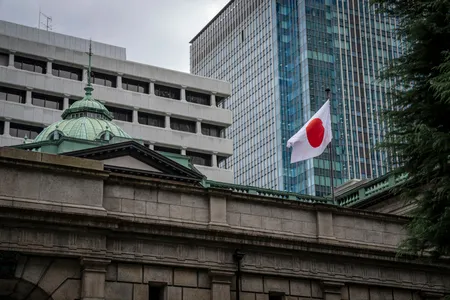
The Bank of Japan has decided to raise its policy interest rate to 1.25%, marking its first rate increase in three months, according to the latest announcement from the central bank. The decision represents another important step in Japan’s gradual transition away from the ultra-loose monetary policy that shaped the economy for many years.
The move was approved at the Bank of Japan’s monetary policy meeting. While the information provided in the announcement does not include details of the policy board’s vote, economic forecasts or Governor Kazuo Ueda’s full explanation, the rate increase is expected to attract close attention from households, companies, investors and international markets.
Why the rate decision matters
Japan maintained exceptionally low interest rates for an extended period as the country struggled with weak inflation, slow wage growth and periods of economic stagnation. The central bank’s previous approach was designed to encourage borrowing, investment and consumer spending while supporting prices and economic activity.
A policy rate of 1.25% remains modest by international standards, but it is significant for Japan because it signals continued confidence that economic conditions can withstand higher borrowing costs. The Bank of Japan is now operating in a very different environment from the one that dominated much of the past decade, with inflation, wage negotiations and changes in consumer behavior playing a larger role in policy decisions.
Impact on households and foreign residents
Higher interest rates can gradually increase borrowing costs for businesses and consumers. Mortgage holders, particularly those with variable-rate loans, may eventually face higher payments depending on how commercial banks adjust their lending rates. Interest rates on savings accounts and certain deposits could also rise, although the benefit may take time to become visible.
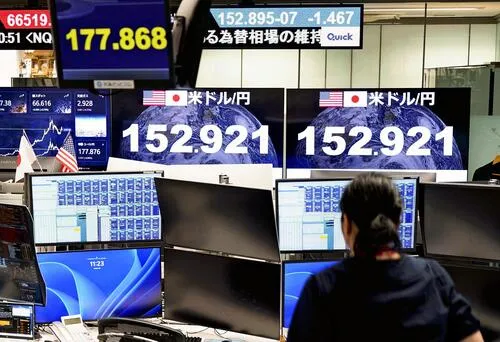
For foreign residents in Japan, the decision may affect home loans, personal borrowing, business financing and the cost of transferring money internationally. A stronger yen, if supported by the rate increase and market expectations for further tightening, could reduce the yen cost of imported goods and overseas travel. However, currency markets are influenced by many factors, including interest-rate decisions in the United States and Europe, so the impact on the exchange rate is not guaranteed.
What comes next
Markets will focus on the Bank of Japan’s guidance about future rate increases. The central bank is likely to assess wage growth, consumer prices, corporate investment and overall economic momentum before deciding whether additional adjustments are appropriate.
For Japan, the challenge will be to normalize monetary policy without placing excessive pressure on households or slowing business activity. A carefully managed rise in rates could reflect a healthier economy, particularly if wages continue to improve alongside prices. At the same time, policymakers will need to monitor the effects on smaller companies, regional economies and borrowers.
The 1.25% decision therefore carries significance beyond the headline figure. It highlights Japan’s evolving economic landscape and confirms that the country’s long era of exceptionally easy monetary policy is continuing to change.