Japan’s staple gets more affordable
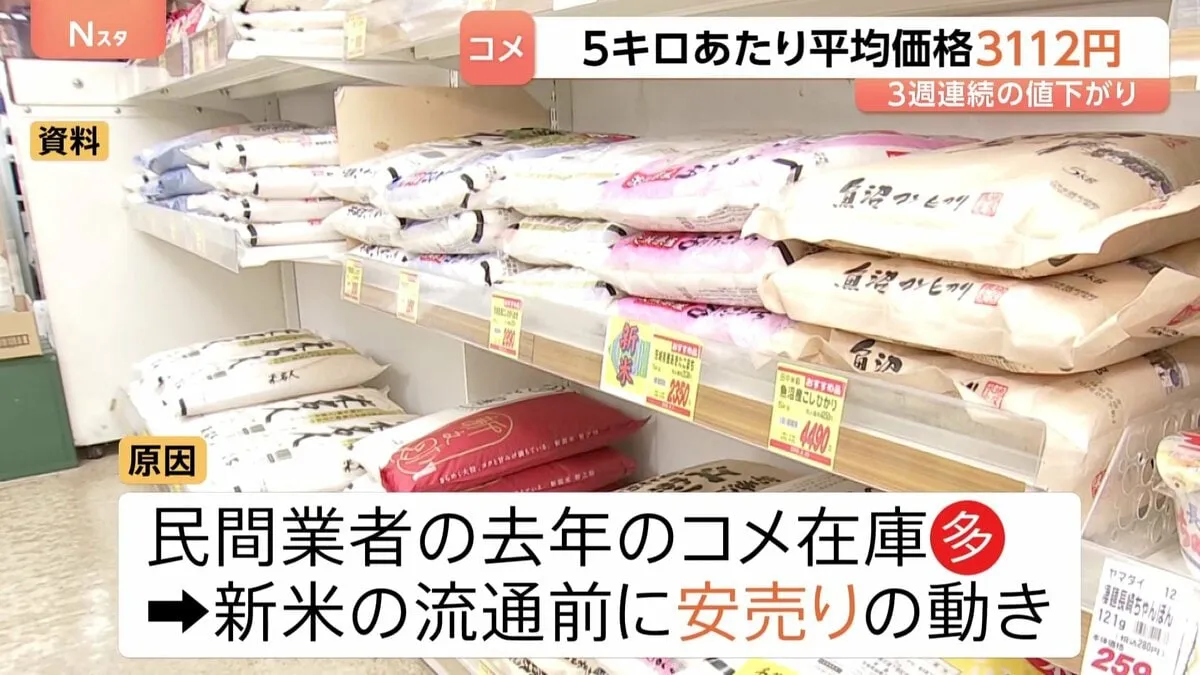
Rice prices in Japan continued to ease, with the nationwide average for a 5-kilogram bag hitting ¥3,112 during the week of the 24th to 30th of last month, according to the Ministry of Agriculture, Forestry and Fisheries (MAFF). It marks the third consecutive weekly decline and puts prices roughly ¥1,300 below the peak seen around the year-end and New Year holidays. For households and restaurants alike, the trend offers timely relief on a core ingredient of daily life—from home-cooked meals to convenience-store bentos—while underscoring the careful balance Japan seeks between consumer affordability and farm sustainability.
What’s driving the drop
MAFF points to a buildup of privately held stocks from last year’s harvest as the main factor. With new-crop “shinmai” approaching wider distribution from late summer through autumn, private distributors appear keen to sell down inventories, intensifying discounting across supermarkets nationwide. The ministry also revealed that private-sector rice stocks could reach as high as 2.83 million tons by the end of June next year—well above what is considered an appropriate range of 1.8 to 2.0 million tons. That mismatch suggests the potential for further short-term price pressure unless demand strengthens or supply is actively managed.
The numbers in context
At an average ¥3,112 per 5kg (roughly the size most households buy), the typical bag now costs about ¥1,300 less than at the recent peak—a meaningful saving for families purchasing multiple bags each month. At recent exchange rates, that puts a 5kg bag near the low-$20 range, a helpful comparison point for overseas readers considering Japan’s cost of living. While premium varieties such as Koshihikari or Akitakomachi may still command higher shelf prices, the downward momentum has filtered across many labels, including supermarket private brands, as retailers compete for value-conscious shoppers.
What it means for consumers and expats
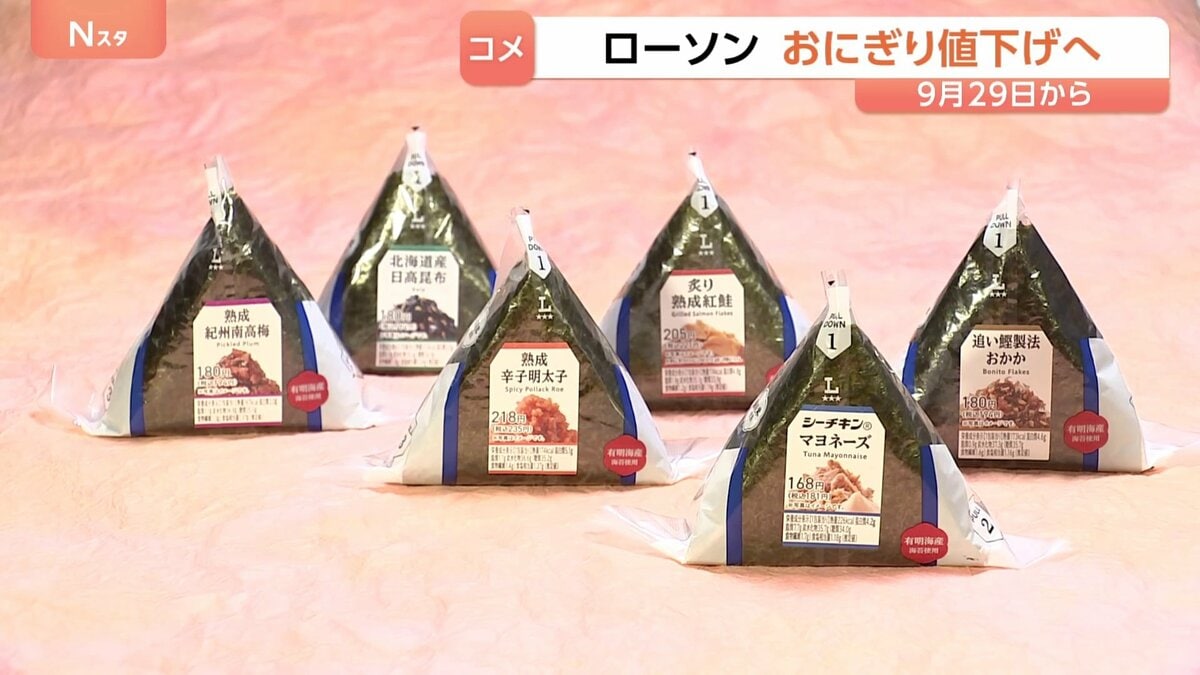
For residents and new arrivals alike, the softer pricing is good news. Rice is central to Japan’s diet and features in everything from sushi and onigiri to teishoku sets. Shoppers are likely to see more promotions as stores rotate last season’s stock ahead of new-crop arrivals. For the best deals, look for multi-bag specials, loyalty-app coupons, and regionally sourced varieties that may be discounted to clear space for incoming shipments. Budget-minded expats will also find that buying in 5kg or 10kg sizes reduces the per-kilo cost, and storing rice properly—in a cool, dry place or sealed container—helps maintain quality for weeks.
Impact on farmers and the broader market
Persistently low prices can challenge farm incomes and complicate planting decisions for the next season. Japan’s rice sector, however, is anchored by a robust policy framework aimed at food security and regional vitality. MAFF has signaled that the government’s ongoing measures—including buying back rice to bolster public reserves—will be a key lever to absorb excess supply and stabilize the market. Such steps, paired with efforts to stimulate consumption at home and unlock overseas demand for premium Japanese rice, are designed to keep the ecosystem resilient without sacrificing affordability for consumers.
Outlook: watch policy moves and the new-crop timeline
With private stocks high and new-crop shipments set to ramp up, prices may remain under pressure in the near term. The focal point now is how swiftly reserve buybacks and other management tools progress, and whether retailers temper promotions once inventories normalize. For consumers, the coming weeks could remain favorable for bargains, especially as supermarkets balance clearance of last season’s rice with the marketing appeal of freshly milled “shinmai.” For Japan, the episode showcases a strength often appreciated by residents and visitors alike: a reliable food supply chain that keeps everyday staples accessible, while policymakers stand ready with targeted measures to support producers and preserve quality across the country’s beloved rice bowls.