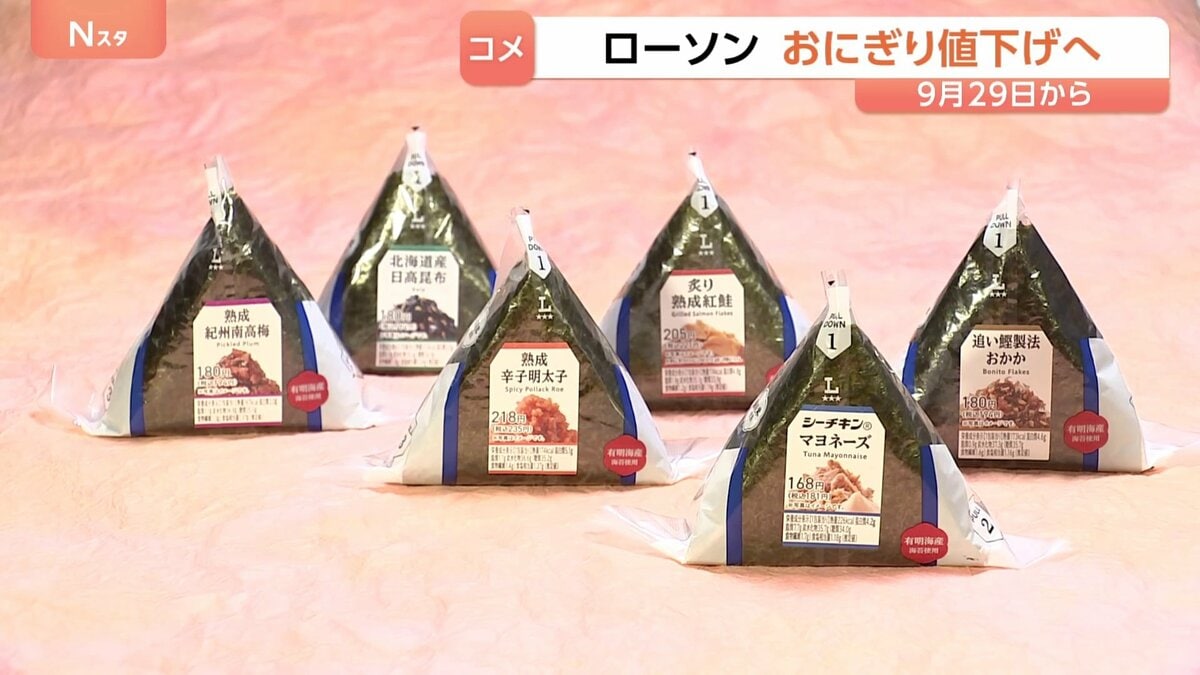
Lawson will reduce the price of its core hand-rolled onigiri by a flat ¥10 from September 29, reversing a four-year stretch of multiple price increases as rice costs ease. The move signals a notable shift in Japan’s convenience store landscape—one that could ripple across the broader food market as rivals begin to follow suit and pass savings back to customers.
What’s changing at Lawson
The price cut applies to Lawson’s flagship hand-rolled onigiri range, a staple for countless commuters, students, and office workers nationwide. It marks a clear change in direction after five separate onigiri price hikes over the past four years. For everyday shoppers, a ¥10 drop may sound small, but across millions of purchases it adds up—especially for those who grab multiple onigiri for a quick, balanced meal.
Why now: falling rice prices
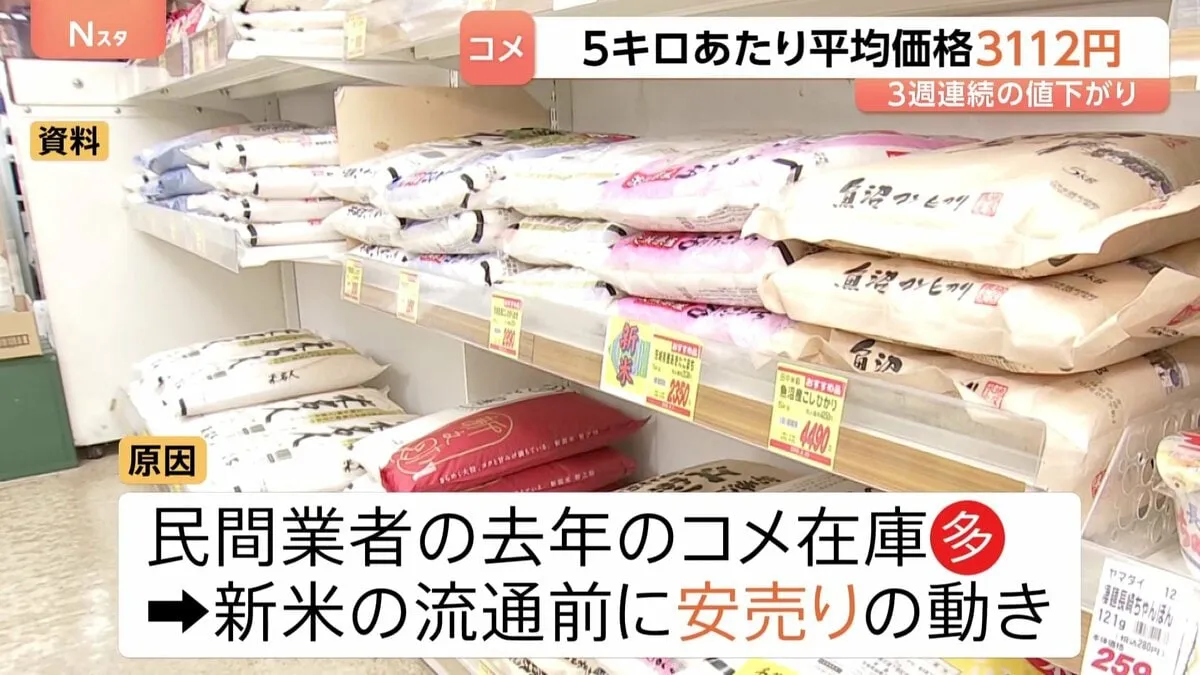
Lawson says its decision is rooted in lower input costs. Intermediary rice transaction prices have fallen roughly 14% from their peak, and retail prices have eased even more in some cases. With a clearer outlook on securing domestically grown rice at more favorable rates, Lawson sees room to trim shelf prices without compromising on quality. The company also hopes the rollback will help re-energize rice consumption after a bout of market volatility—sometimes dubbed the “Reiwa rice turbulence”—that lifted prices and nudged some consumers away from rice-based items.
Rivals move too: Seven-Eleven and FamilyMart
Japan’s other convenience giants are not standing still. Seven-Eleven will lower prices on two leading hand-rolled onigiri, including the popular “Sumibi-yaki Gin Shake” (charcoal-grilled silver salmon), from ¥232 to ¥213 starting September 8—a ¥19 cut. The company attributes the reduction to improved sourcing and logistics. FamilyMart has already trimmed prices on a larger-sized onigiri variety, reducing it from ¥320 to ¥298 as of August 24. While these cuts are selective rather than universal, together they point to a competitive environment where savings on ingredients and transport are increasingly being shared with customers.
Why this matters—for residents, expats, and visitors
Onigiri are more than a snack in Japan—they are an everyday essential that blends convenience, nutrition, and regional rice craftsmanship. For households managing costs, for expats building a daily routine, and for travelers learning the rhythms of Japanese life, even modest reductions can improve the affordability of quick meals. Japan’s convenience store sector is renowned for nimble operations, premium-quality domestic rice, and relentless product innovation. The latest rollbacks underline that when input costs fall, major chains can act quickly—supporting consumers without eroding trust in quality.
Economic context and the road ahead
Japan has navigated a period of broad price increases in daily necessities, and the easing of rice costs offers a welcome sign of relief. That said, analysts will watch whether this marks a broader trend or a targeted adjustment limited to rice-based items. Future harvests, weather patterns, currency movements, and global shipping costs will all shape how far and how long food prices can dip. For now, the onigiri category appears to be a front line for competitive price-setting—one that may influence bento, rice bowls, and other staples over time.
Bottom line
Lawson’s September 29 price cut—echoed by reductions at Seven-Eleven and FamilyMart—highlights the strength and responsiveness of Japan’s convenience store ecosystem. If rice prices remain favorable, consumers could see sustained value without sacrificing the high standards that define Japanese grab-and-go dining. For anyone budgeting life in Japan, from students to new hires to long-term residents, that’s good news you can taste—one onigiri at a time.