A sophisticated scam targeting Japan's bullet train reservation system has resulted in over ¥800 million in losses for JR Central last year alone, as criminals exploit online booking platforms to illegally purchase tickets.
How the Scam Works
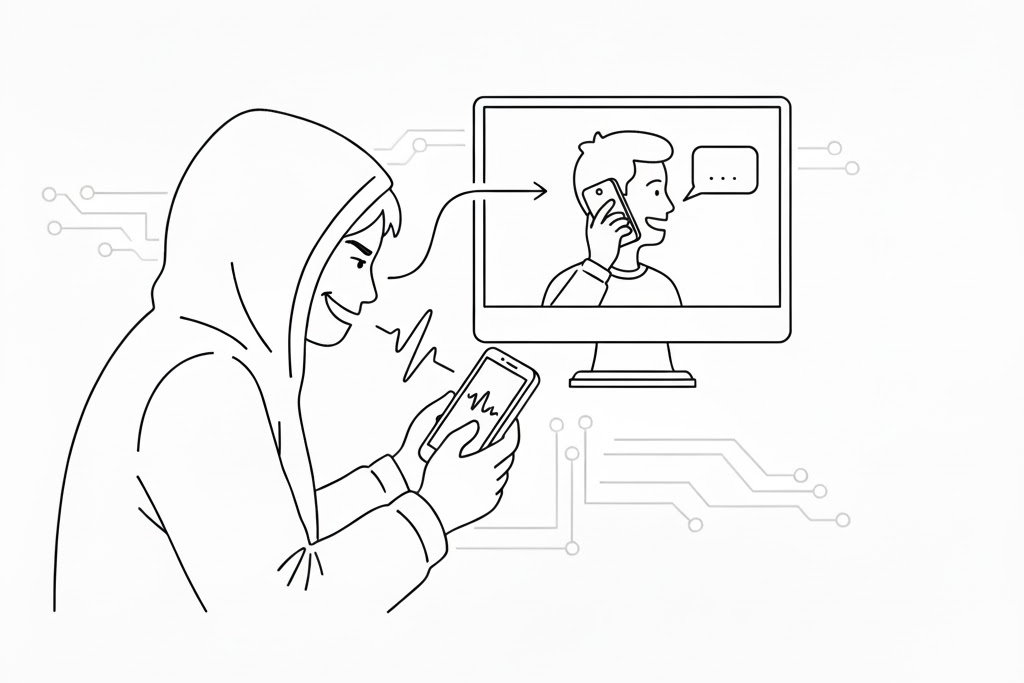
Cybercriminals are using phishing techniques to steal member IDs and passwords for services like "Express Reservation" and "Smart EX." They create fake websites that mimic legitimate JR pages, tricking users into entering their login credentials. In many cases, victims report using the same password across multiple sites, making them vulnerable to credential stuffing attacks.
The Role of "Dashiko"
Once login information is stolen, organized groups use "dashiko"—individuals tasked with printing tickets at station kiosks using stolen QR codes. In one case, a Chinese national was arrested in Nagoya for fraudulently issuing tickets worth approximately ¥126,720 using a stolen account.
Nationwide Impact
The problem isn't isolated to one region. Similar incidents have been reported in Tokyo, Osaka, Hiroshima, and beyond. JR companies issued warnings in July about fake sites designed to harvest personal information, emphasizing that they never request credit card details or passwords via email.
Strengthening Security
JR Central has introduced two-step verification via mobile phones to enhance security. The company is also collaborating with police and credit card companies to combat these scams. Experts advise against password reuse and recommend using unique, strong passwords for each service.
The rise in these incidents highlights the growing sophistication of cybercrime targeting transportation systems—and the ongoing need for public vigilance in the digital age.