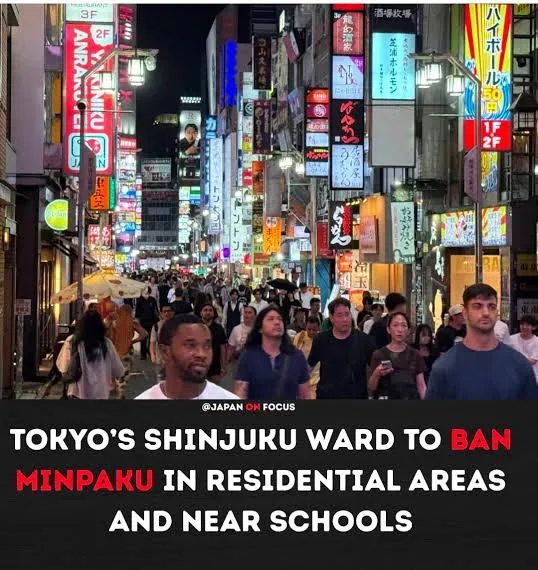
Shinjuku moves to restrict short-term rentals
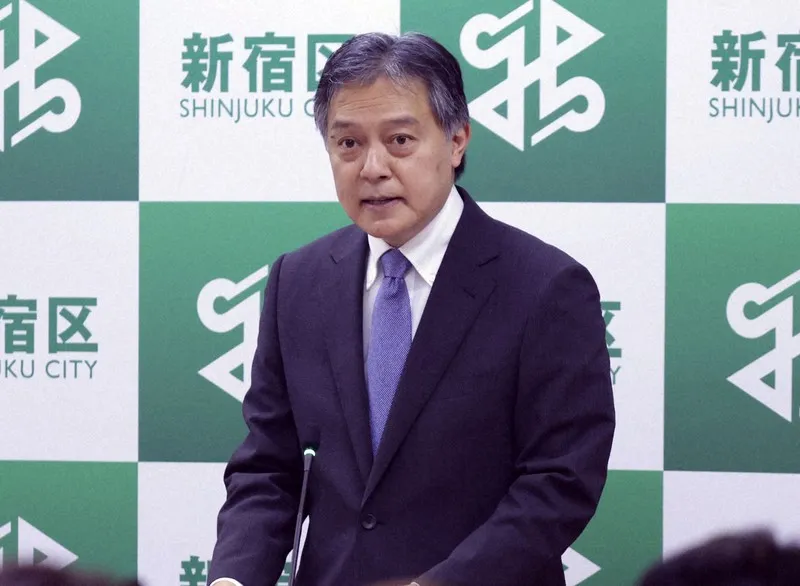
Tokyo’s Shinjuku Ward, home to Japan’s largest number of registered short-term rental properties, is preparing to prohibit minpaku operations in residential areas and around schools, according to information obtained from the ward on the 7th. The proposed policy would also apply to existing facilities, marking a significant tightening of rules in one of Japan’s most popular destinations for international visitors.
Under the plan, short-term rentals would generally be banned in areas designated for residential use under urban planning rules, as well as in educational districts. Exceptions could be granted in cases where property owners or hosts are considered capable of managing the operation appropriately. Existing businesses would be given a transition period before the new restrictions take effect.
Thousands of properties could be affected
Shinjuku had 3,928 registered residential accommodation properties as of August 31. The ward estimates that approximately 2,000 of them could lose the ability to operate under the proposed rules. Even in commercial districts, where minpaku businesses would remain possible, the annual operating limit would be reduced from the current 180 days to 120 days.
The ward plans to invite public comments in October before submitting a revised ordinance to the regular session of the Shinjuku Ward Assembly next February. The proposal reflects growing concern over the impact of short-term rentals on local communities, particularly in neighborhoods where residents live alongside visitors staying for only a few nights.
Noise and waste complaints fuel the policy shift
Shinjuku received more than 1,300 complaints related to minpaku properties during fiscal 2025. Common concerns in Japan include late-night noise, improper garbage disposal, visitors entering the wrong buildings and difficulties contacting operators when problems occur. These issues can be especially sensitive in densely populated neighborhoods such as Shinjuku, where apartment buildings, hotels, restaurants, schools and homes stand close together.
Japan legalized minpaku in 2018 as part of efforts to accommodate growing inbound tourism. Under the country’s Residential Accommodation Business Act, operators who notify local authorities can host guests for up to 180 days per year, although municipalities are permitted to introduce additional restrictions through local ordinances.
Local governments seek stronger national rules
The debate extends beyond Shinjuku. In May, representatives from 21 of Tokyo’s 23 special wards, excluding Suginami and Setagaya, urged the ruling Liberal Democratic Party to revise the national minpaku law and strengthen oversight. Their requests included clearly allowing municipalities to set restrictions based on local conditions, replacing the current notification system with a licensing system that requires renewal, and limiting operators to people with addresses in Japan.
The ward leaders also called for operators ordered to close under minpaku regulations to be prevented from simply applying under the Hotel Business Act. They further sought clearer administrative penalties for intermediary platforms that introduce guests to illegal properties.
Government allows municipalities more flexibility
The Tourism Agency changed its position in July by notifying local governments that they may effectively prohibit minpaku operations in residential areas when residents’ living environment is being harmed. Municipalities may set the annual operating limit at zero through local ordinances, creating a legal route to a de facto ban. Authorities may also require operators to install noise meters, surveillance cameras and recording systems to help address nuisance behavior.
For foreign visitors, the changes do not mean that short-term rentals are disappearing from Tokyo. Rather, they signal a move toward clearer neighborhood-based management. Commercial districts and professionally operated accommodations are likely to remain important options, while travelers should increasingly confirm that a property is legally registered and complies with local rules. Shinjuku’s proposal illustrates Japan’s effort to balance the economic benefits of tourism with the country’s strong emphasis on orderly, comfortable communities.