Shinjuku points to growing pressure from short-term rentals
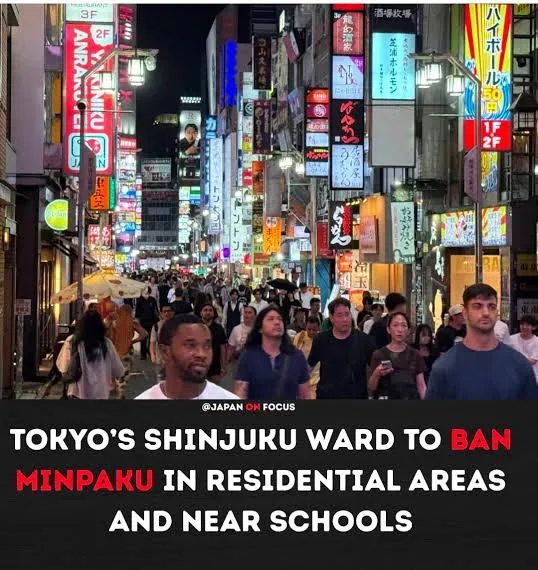
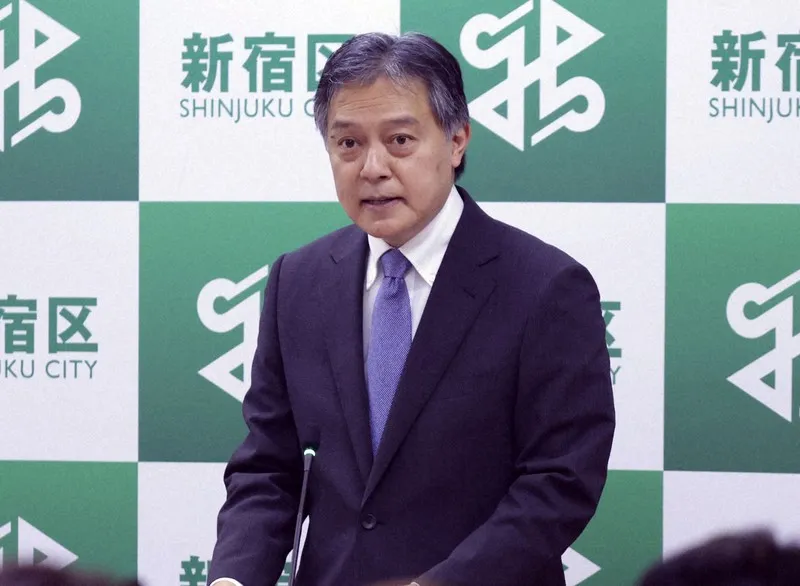
Shinjuku Ward, one of Tokyo’s busiest and most internationally recognized districts, is preparing to significantly tighten regulations on private lodging facilities, commonly known in Japan as minpaku. Shinjuku Mayor Kenichi Yoshizumi said at a regular press conference on the 8th that the short-term rental industry had “brought this situation upon itself,” following a sharp rise in complaints and consultations from local residents.
More than 1,300 complaints and consultations were recorded during the previous fiscal year, with 1,334 cases reported in total. In the current fiscal year, 510 cases had already been received between April and July. The issues most frequently raised include excessive noise, improper garbage disposal and other disruptions linked to guests staying in residential neighborhoods.
Japan’s largest concentration of registered minpaku
Shinjuku has the largest number of registered minpaku operations in Japan, with 3,928 facilities listed as of the end of August. The ward includes popular destinations such as Shinjuku Station, Kabukicho and Okubo, areas that attract visitors from across Japan and around the world. Its convenient transport links and diverse dining, shopping and entertainment options have made it a major center for international tourism.
Short-term rentals have also become an important part of Japan’s accommodation network, particularly during periods of strong inbound tourism. They can help make use of vacant homes, provide visitors with alternatives to hotels and create opportunities for interaction between international travelers and local communities. However, rapid growth has also created challenges when properties operate in densely populated areas without sufficient management or communication with neighbors.
Ward says enforcement resources are under strain
Mayor Yoshizumi said the ward must respond not only to complaints but also investigate facilities that may be operating without the required notification or registration. He warned that the number of cases had become too large for ward office and public health center staff to handle effectively with existing resources.
Although action has been taken against facilities found to be violating the rules, the mayor said new cases continue to emerge. He argued that reducing the number of properties subject to oversight would make it easier for officials to monitor those that remain and respond more quickly when problems occur.
Proposed restrictions in residential and commercial areas
Under the ward’s proposed policy, minpaku operations would, in principle, be prohibited in residential-only zones and in educational areas containing schools and other institutions. In commercial districts, the maximum number of operating days would be reduced from the current annual limit of 180 days to 120 days.
Shinjuku plans to submit an ordinance revision to the ward assembly’s regular session in February 2027, with implementation targeted for June of the same year. The proposal will need to pass through the local legislative process before the changes can take effect.
Japan’s national private-lodging framework generally permits eligible operators to host guests for up to 180 days per year, while municipalities may impose additional restrictions based on local conditions. This means rules can differ substantially from one city or ward to another. For foreign visitors and property owners, checking local requirements before booking, operating or managing a minpaku is essential.
Balancing tourism with everyday life
Yoshizumi said the current situation has moved away from the original purpose of the legislation, which included making use of unused properties and promoting international exchange. Shinjuku’s planned reforms reflect a broader effort in Japan to balance the economic benefits of tourism with residents’ right to peaceful, safe and orderly neighborhoods.
For visitors, the changes are unlikely to eliminate short-term rentals from Shinjuku, but they may gradually reshape where and how these facilities operate. Stronger oversight could also improve the experience for responsible travelers by reducing confusion over garbage rules, noise expectations and neighborhood etiquette. The debate highlights Japan’s continuing effort to welcome international tourism while protecting the character and livability of its communities.