Illegal online content rises sharply in Japan
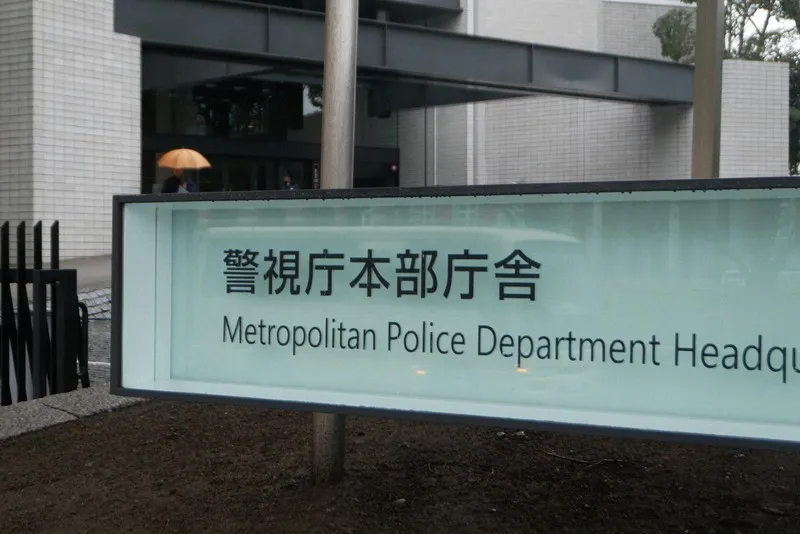
Japan recorded a steep increase in online recruitment posts linked to so-called “dark jobs” during the first half of 2026, according to figures released by the National Police Agency and the Internet Hotline Center (IHC). The IHC, which operates under a police agency commission, monitors the internet and asks service providers and website operators to remove content considered illegal under its guidelines.
Between January and June, the center identified 12,516 posts recruiting people for “dark jobs,” a term widely used in Japan for anonymous, criminal work advertised through social media and messaging platforms. The figure was almost double the 6,346 posts recorded during the same period a year earlier.
These advertisements can offer quick cash for tasks such as delivering packages, withdrawing money, or providing personal information. In some cases, however, recruits are allegedly drawn into serious crimes, including robbery, fraud, and other illicit activities. Japanese authorities have repeatedly warned that such offers may be connected to organized criminal groups and that participants can face prosecution even if they claim they did not understand the full nature of the work.
Removal success differs by type of content
The IHC requested the removal of 7,583 dark-job posts that had not already disappeared. Providers and website operators removed 7,472 of them, producing a removal rate of approximately 99 percent. The result suggests that domestic and international platforms can respond quickly when content is clearly identified and supported by a formal removal request.
Online casino-related content presented a much greater challenge. During the same six-month period, the IHC classified 5,259 online casino websites or advertisements as illegal under its guidelines. Of 4,988 removal requests, only 900 items, or about 18 percent, were taken down.
The police agency attributed the low rate partly to differences in national laws. Many of the websites involved are operated by overseas companies, and online casinos are legal or regulated in some jurisdictions. As a result, foreign providers may apply different standards when responding to requests from Japanese authorities.
Broader cyber threats also reach record levels
Overall, the IHC judged 68,842 online posts and other items to be illegal during the first half of 2026, a 53 percent increase from the same period the previous year. Removal was requested for 49,221 items, and approximately 60 percent were deleted.
The latest figures come as Japan faces a wider range of cyber threats. Ransomware attacks against companies and other organizations reached 123 reported cases in the first half of 2026, seven more than a year earlier and the highest half-year total since statistics began in the second half of 2020. Ransomware can encrypt data or disrupt operations until victims are pressured to pay money, although authorities strongly advise against treating payment as a reliable solution.
Suspicious access attempts believed to represent early-stage reconnaissance before a cyberattack also increased. A monitoring center operated by the police detected an average of 13,687 such attempts per IP address each day, approximately 1.5 times the previous year's level. Investigators believe the rapid growth may be connected in part to the misuse of household Internet of Things devices, such as routers, cameras, and other connected equipment, as entry points or “stepping stones” for attacks.
Why the figures matter
For residents, businesses, and foreign nationals living in Japan, the data highlights the importance of verifying job offers, avoiding unlicensed gambling services, using strong passwords, updating connected devices, and reporting suspicious posts. The figures also show why Japan is strengthening cooperation among police, technology companies, and international service providers. Tackling online crime requires not only rapid removal, but also public awareness and cross-border coordination as criminals increasingly operate beyond national boundaries.