NTT Docomo reports data-sharing incident
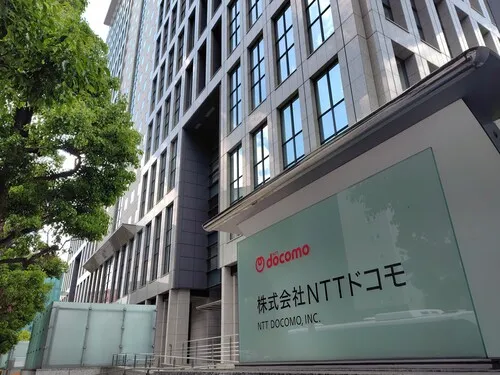
NTT Docomo, one of Japan’s largest mobile telecommunications operators, has disclosed that personal information belonging to approximately 340,000 users was provided to Amazon Japan without their consent. The company said the incident was caused by a configuration error in its online contract process.
The information involved consisted of customers’ telephone numbers and the names of the communication plans they had subscribed to. According to Docomo, Amazon Japan had deleted the information by the 12th, before the telecommunications company announced the incident on the 15th.
Consent notice failed to appear
The affected customers were among those who signed up online between April 21 and August 20 for certain Docomo mobile plans that included benefits such as discounts on Amazon membership fees. During the application process, customers were supposed to see wording asking whether they agreed to have their personal information provided to Amazon Japan.
However, because of an incorrect system setting, the consent-related notice was not displayed for some applicants. As a result, the relevant information was sent to Amazon Japan even though customers had not been given the opportunity to make an informed choice through the online procedure.
Docomo has described the incident as an unauthorized provision of personal information. The company has not indicated that highly sensitive data such as payment details, passwords or browsing histories was included in the information provided, based on the details released so far. Nevertheless, telephone numbers are personal data and can create privacy and security concerns, particularly when combined with information about a customer’s commercial or telecommunications services.
Why the disclosure matters
Japan has a highly connected digital economy in which mobile carriers, online retailers and subscription services increasingly cooperate to offer bundled discounts and other benefits. These partnerships can make services more convenient and affordable for consumers, but they also require clear explanations about how customer information is used and shared.
Consent notices are an important part of that process. A missing notice may prevent customers from understanding what will happen to their information, even when the underlying business arrangement is legitimate. For users in Japan, the incident highlights the importance of checking privacy explanations, account settings and communications from service providers when signing up for promotional plans.
Company response and remaining questions
Docomo said the information had been deleted by Amazon Japan by the 12th. The company is expected to review its systems and procedures to prevent a similar configuration error from occurring again. Customers may also look for further explanations regarding whether they were individually notified, how the affected records were identified and what safeguards will be introduced.
The incident underscores a broader challenge for Japan’s technology sector: ensuring that digital convenience does not come at the expense of transparency. For international residents and foreign visitors using Japanese mobile services, it is a reminder that promotional plans may involve partnerships with other companies and that consent conditions should be reviewed carefully before completing an online contract.