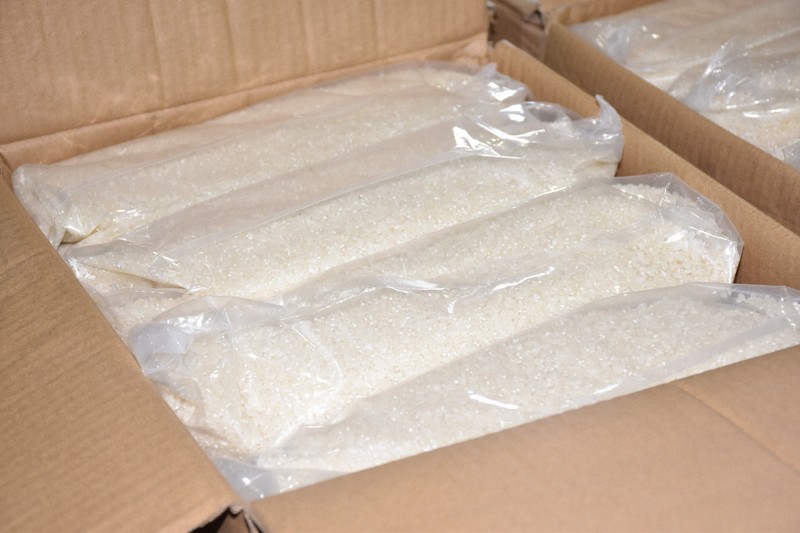
Japanese authorities have arrested a married couple suspected of smuggling approximately 45 tons of rice from Vietnam into Japan, allegedly mislabeling the grain as mung beans to evade regulations and tariffs. The case emerges against the backdrop of record-high domestic rice prices in Japan.
The Investigation and Arrests
Osaka Prefectural Police arrested the couple on October 6 on suspicion of violating Japan's Plant Protection Act and Customs Law. The suspects operated Fretch, a food import-export company based in Higashi-Osaka City.
Investigators believe the couple conspired with accomplices in Vietnam to ship the rice to Japan between mid and late June, deliberately declaring the cargo as mung beans' commodity with lower tariff rates than rice. The scheme involved filling more than 2,200 cardboard boxes loaded into two shipping containers transported by cargo ship to Osaka Port.
Regulatory Evasion Techniques
The smuggling operation bypassed critical food safety protocols. legitimate rice imports require submission of inspection certificates issued by exporting countries to Japan's Plant Protection Station. The suspects allegedly avoided these requirements entirely, failing to undergo mandatory inspections.
Customs officials became suspicious during a routine inspection on June 25, discovering the true contents of the shipment. The discovery triggered a months-long investigation culminating in the recent arrests.
Market Context and Motivations
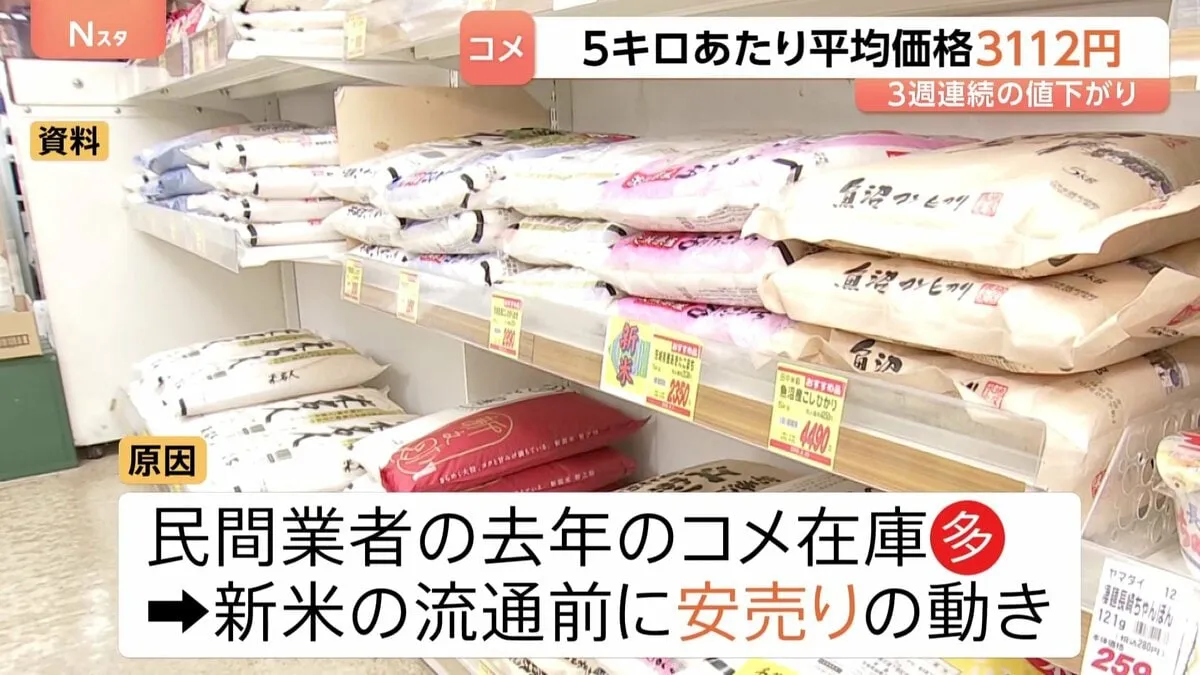
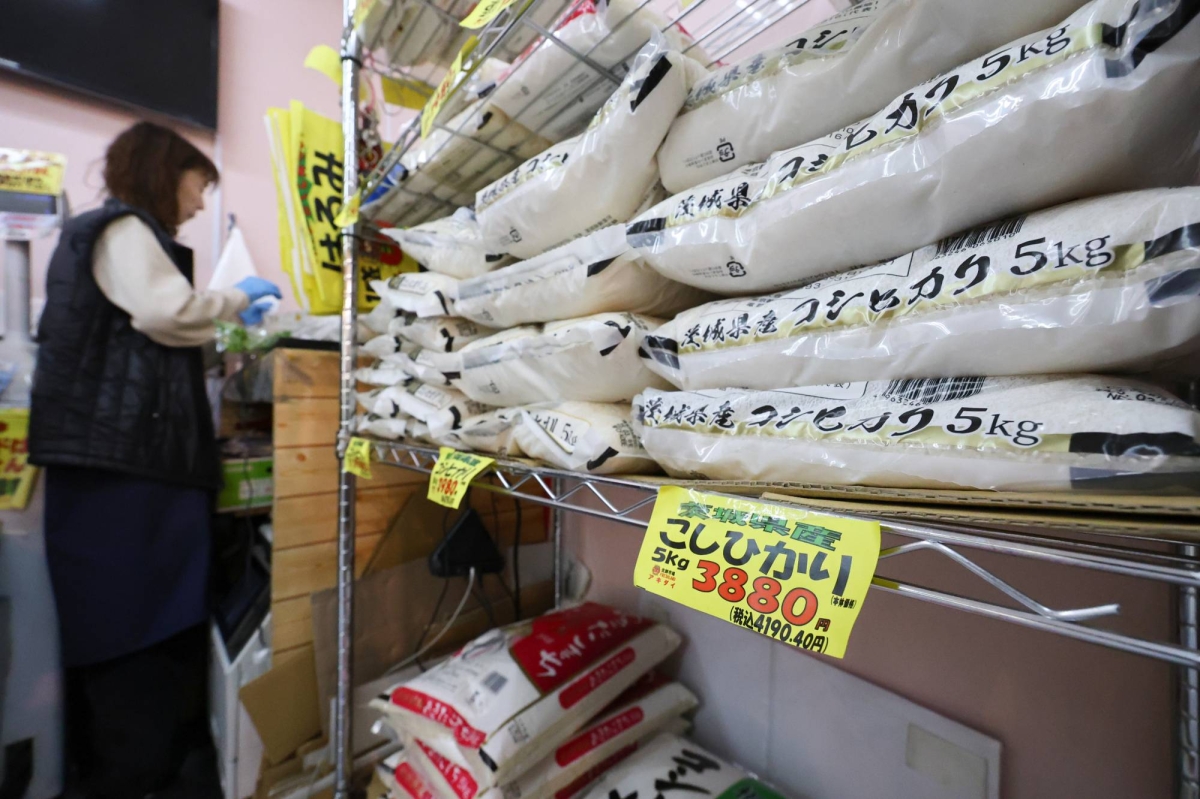
The smuggling operation coincided with unprecedented rice price increases in Japan. By May 2025, the average price for 5 kilograms of domestic rice had reached a record 4,285 yen at supermarkets nationwide, creating potential profit opportunities for those able to supply cheaper alternatives.
While the Japanese government released reserve stocks to stabilize prices, costs remained elevated, potentially making smuggled rice financially attractive despite the legal risks. Police are investigating whether the suspects marketed the Vietnamese rice as domestic product to capitalize on price differences.
Broader Implications for Food Security
This case highlights vulnerabilities in Japan's food import system at a time of supply uncertainty. As a nation that maintains strict controls on rice imports to protect domestic agriculture, Japan faces challenges balancing food security, price stability, and prevention of illegal shipments.
Agricultural experts note that while Japan produces high-quality rice, climate change and shifting consumption patterns have created supply fluctuations. These conditions can create opportunities for illicit operators seeking to profit from market imbalances.
Food safety authorities have emphasized that smuggled agricultural products bypass vital quality controls and inspection procedures designed to protect consumers. Without proper documentation and inspection, the origin, growing conditions, and handling of such products remain uncertain.
The investigation continues as authorities examine the company's import records, which show more than 20 shipments of what was declared as mung beans from Vietnam in the first half of 2025 alone. This suggests the recently intercepted shipment may represent only part of a larger operation.