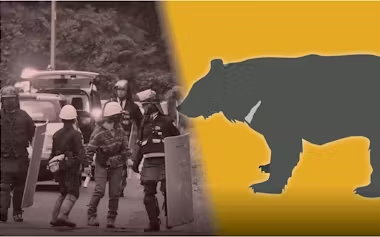
Search operations continue in Miyagi Prefecture's Kurikoma Mountain area where two women were apparently attacked by bears while mushroom foraging, leaving one dead and another missing. The incident highlights growing concerns about human-bear conflicts in rural Japan.
The Tragic Incident
On October 3, Harue Shimizu, 75, was killed in an apparent bear attack while gathering wild mushrooms in the forests of Kurikoma Mountain in Kurihara City. A second woman in her 70s, who was foraging with Shimizu, remains missing and is also believed to have been attacked.
Police resumed search operations on the morning of October 6 but faced significant challenges accessing deep forest areas due to safety concerns. The difficult terrain and ongoing bear presence have complicated efforts to locate the missing woman.
Community Response and Bear Management
Local authorities have implemented additional measures to address the bear threat, installing new box traps in the area on October 6. These efforts represent part of broader attempts to manage increasing bear encounters throughout Miyagi Prefecture and much of rural Japan.
Just two days before the Kurikoma Mountain incident, another woman was injured by a bear while working in her home garden elsewhere in Miyagi Prefecture, underscoring the expanding range of human-bear interactions.
Ecological Context
Wildlife experts note multiple factors contributing to increased bear encounters in Japan. Changes in forest management practices, climate impacts on natural food sources, and human encroachment into traditional bear habitats have all played roles in rising conflict incidents.
In recent years, bear sightings in residential areas have become more frequent across Japan, particularly during autumn when animals actively forage to build fat reserves for hibernation. This seasonal pattern coincides with mushroom and wild vegetable harvesting seasons, bringing humans and bears into closer proximity.
Prevention and Safety Measures
Local governments throughout affected regions have intensified public awareness campaigns about bear safety. Recommendations include traveling in groups in forested areas, carrying bear bells or other noise-making devices, and understanding how to respond during encounters.
Some communities have organized volunteer patrols in high-risk areas during peak seasons, while others have implemented more aggressive population management strategies. The balance between conservation concerns and public safety remains challenging for policymakers.
Broader Implications for Rural Communities
These incidents highlight tensions between traditional rural lifestyles and changing wildlife dynamics. For aging communities in mountainous regions, forest foraging represents both cultural tradition and economic supplement, creating difficult choices about safety versus livelihood.
As Japan's rural population continues to age and decline in many areas, some experts suggest that reduced human presence in forest peripheries may encourage wildlife to expand their ranges into areas previously dominated by human activity.
The Kurihara City case represents one of the most serious recent bear incidents in Japan, but it occurs within a pattern of increasing conflicts that wildlife managers and rural communities must address through coordinated strategies combining education, habitat management, and measured population control.