The compelling journey of Japanese pitching sensation Roki Sasaki continues to captivate baseball audiences on both sides of the Pacific as the young right-hander transforms early-season struggles into postseason dominance. His recent performances for the Los Angeles Dodgers have not only solidified his role in the team's bullpen but also silenced critics who questioned his mental fortitude following emotional early-season moments.
Playoff Excellence Under Pressure
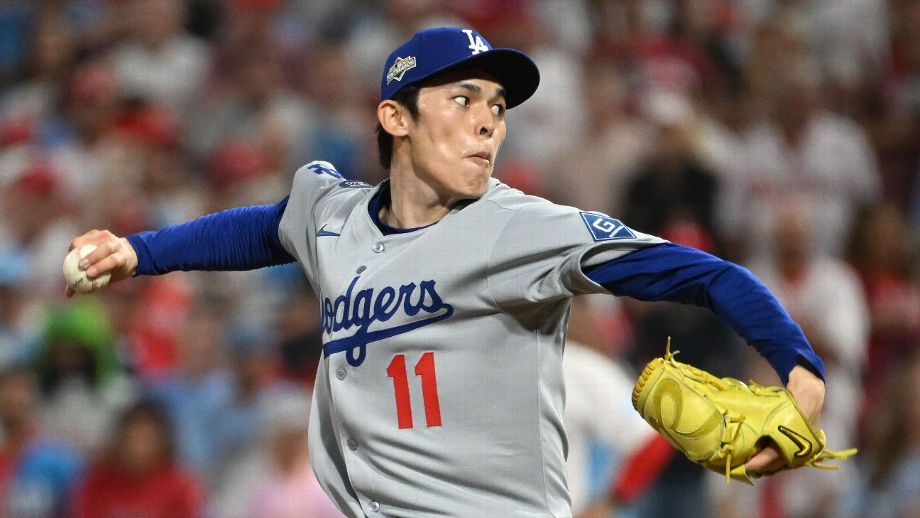
On October 6th (October 7th in Japan), Sasaki delivered another clutch performance, recording his second consecutive save against the Philadelphia Phillies in the National League Division Series. The appearance marked his third straight scoreless outing in the postseason, demonstrating remarkable composure for a pitcher in his first Major League Baseball playoff experience.
Entering the game in the ninth inning with the Dodgers protecting a narrow lead, Sasaki displayed the electric stuff that made him a legend in Japan's Nippon Professional Baseball. His performance built upon previous postseason successes, including a scoreless ninth inning in the Wild Card Series that helped advance the Dodgers through the opening round of playoffs.
The consistency of these high-pressure appearances has transformed Sasaki from a question mark into a reliable late-inning option for the Dodgers as they pursue World Series contention. His rapid adaptation to the heightened intensity of playoff baseball has impressed teammates, coaches, and opponents alike.
The Journey from Struggle to Success
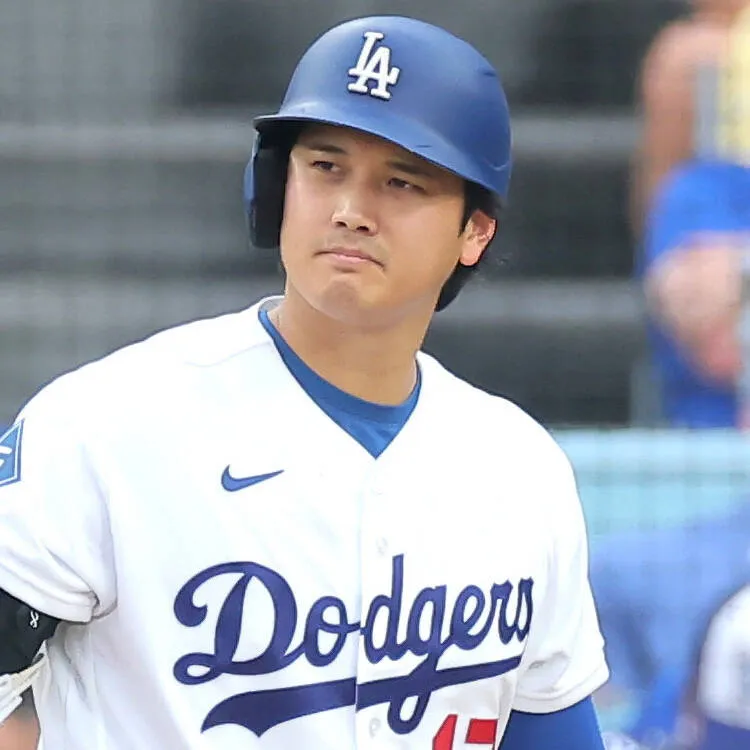
The narrative of Sasaki's season makes his current success particularly compelling. His transition to Major League Baseball began with significant challenges, including an early April appearance against the Detroit Tigers that saw him removed from the game early and visibly emotional on the bench.
That difficult moment, captured in photographs that circulated widely, prompted commentary from analysts including former MLB pitcher Jonathan Lucroy, who questioned Sasaki's mental toughness. The criticism created a narrative about the young pitcher's ability to handle adversity at baseball's highest level.
Complicating matters, Sasaki experienced shoulder issues that landed him on the injured list in May, potentially derailing his rookie season entirely. Instead, the recovery period became an opportunity for adjustment and refinement, with the pitcher working through rehabilitation before returning through the minor league system.
The Turning Point
Sasaki's return as a relief pitcher in the season's final months marked the beginning of his remarkable turnaround. Freed from the physical demands of starting rotation work, his elite stuff played effectively in shorter appearances, with his fastball-slider combination proving particularly devastating against tired late-game hitters.
The transformation was captured powerfully by Michael J. Duarte of NBC Los Angeles, who posted contrasting images on social media: one showing Sasaki's emotional early-season struggle, the other depicting his confident game-ending performance against the Phillies. The side-by-side visual narrative powerfully illustrated the pitcher's developmental arc.
Duarte's captiond "From here, to here. Roki Sasaki's 'redemption tour' has begun in the 2025 MLB playoffs" perfectly captured the dramatic nature of the pitcher's journey from early adversity to current success.
Fan and Analyst Reception
The baseball community has embraced Sasaki's comeback story with enthusiasm. Social media responses to his recent performances have highlighted appreciation for his emotional openness and admiration for his resilience in overcoming early challenges.
One representative comment noted: "I like pitchers who show emotion. There's nothing wrong with that," while another asked: "Where are those people who said he was 'mentally weak' now?" The collective response suggests that Sasaki's willingness to show vulnerability ultimately strengthened his connection with fans.
Other observers expressed pride in his development, with one comment capturing the prevailing sentiment: "I'm so proud of his growth. He's done really well!" The narrative has transformed from questions about mental toughness to celebration of human resilience.
Broader Implications for International Transitions
Sasaki's journey offers insights into the challenges facing international players transitioning to Major League Baseball. The combination of cultural adjustment, heightened expectations, and the physical grind of a 162-game season creates unique pressures that even exceptionally talented players must navigate.
His successful adaptation particularly the mid-season role change demonstrates the importance of organizational flexibility in maximizing international talent. The Dodgers' willingness to adjust their usage pattern rather than insisting on a predetermined development path proved crucial to unlocking Sasaki's contributions.
The story also highlights how early struggles don't necessarily predict season outcomes, particularly for players making significant adjustments. Sasaki's ability to learn from difficult experiences and apply those lessons later in the season offers a valuable model for other international transitions.
Looking Ahead
As the Dodgers continue their postseason run, Sasaki's role appears increasingly secure. His power arsenal and demonstrated composure in high-leverage situations make him a valuable weapon as games become increasingly consequential.
Beyond this season, his successful adaptation suggests a promising future whether he returns to a starting role or continues as a high-impact reliever. The baseball world will be watching with renewed appreciation for a pitcher who faced early criticism but responded with performance when it mattered most.
For now, Sasaki's story serves as a powerful reminder that athletic careers rarely follow linear paths, and that early struggles often precede the most satisfying successes. His emotional openness, once questioned as weakness, now appears as an integral part of a compelling narrative of growth and redemption.