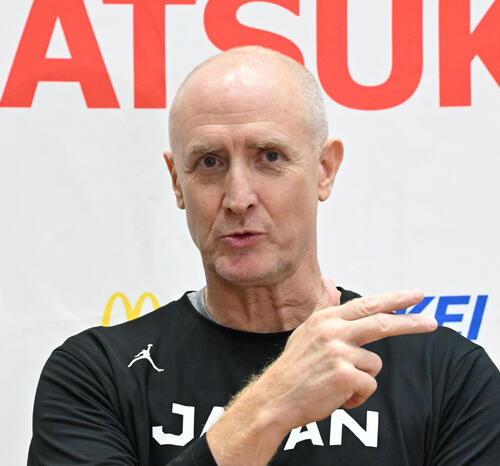
Japan’s basketball program was jolted on the 2nd as the Japan Basketball Association announced it has ended its contract with men’s national team head coach Tom Hovasse, citing “differences over the direction of future national-team strengthening.” The abrupt change drew immediate, intense reaction across social media, with many fans praising Hovasse’s impact while questioning the timing—especially with World Cup qualifying windows due later this month—and debating what it might mean for star forward Rui Hachimura’s national-team involvement.
A transformative tenure ends with a jolt
Hovasse, a U.S.-born coach who has spent decades in Japan and speaks fluent Japanese, leaves a legacy that reshaped expectations. He first led the women’s national team to a historic silver medal at the Tokyo 2020 Olympics, Japan’s best-ever basketball result. After transitioning to the men’s role, he guided Akatsuki Japan to the top Asian finish at the 2023 FIBA Basketball World Cup, securing a coveted direct berth to the Paris Olympics—the country’s first through qualification in 48 years. Though Japan exited at the group stage in Paris, that campaign crystallized the program’s stature on the world stage: organized, fearless, and capable of beating bigger opponents with pace, spacing, and belief.
Hovasse’s hallmark was discipline and empowerment. He demanded sharp execution, constant movement, and a team-first ethos. Players often spoke about the clarity of roles and the confidence instilled in them, reflected in Japan’s uptick in three-point volume, secondary scoring options, and late-game poise. He also helped integrate a new generation of talent alongside established leaders and naturalized contributors, building depth and identity that resonated with fans nationwide.
Surprise timing raises hard questions
That is why Thursday’s announcement landed like a thunderclap. The federation’s statement emphasized a divergence in long-term vision rather than any single game or tournament, but the lack of detail left room for speculation. With World Cup qualifying fixtures looming this month, continuity would normally be at a premium. Any coaching change now forces a compressed transition: tactical tweaks, roster decisions, and the delicate task of maintaining momentum while adjusting systems on short notice. Japan’s rise is no accident—it is the product of years of careful work at every level, from the B.League’s growth to improved youth development—so the imperative will be to protect those gains.
X reacts: “Why now?” and “Does Hachimura come back?”
On X (formerly Twitter), the news sparked a flood of responses. Representative comments included, “Why at this timing?” “The timing is honestly a mystery,” “It’s a shock, but thank you, Coach, for everything you did for the men’s team,” “There are World Cup qualifiers at the end of this month…,” and “Does this mean Hachimura comes back?” The themes were consistent: gratitude for a transformational tenure, concern about the immediate schedule, and curiosity about how a new leadership voice might reshape selection and strategy.
The Hachimura factor: a delicate relationship
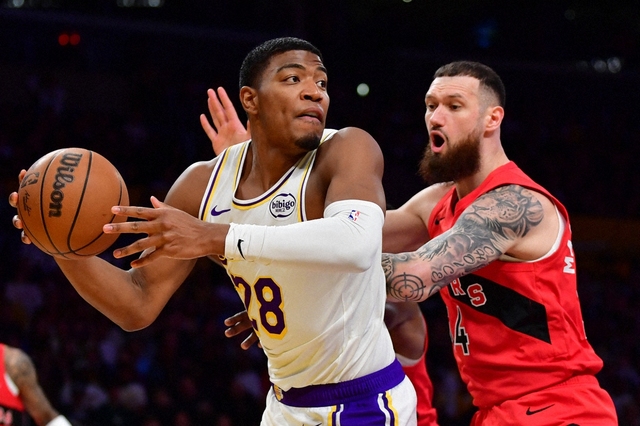
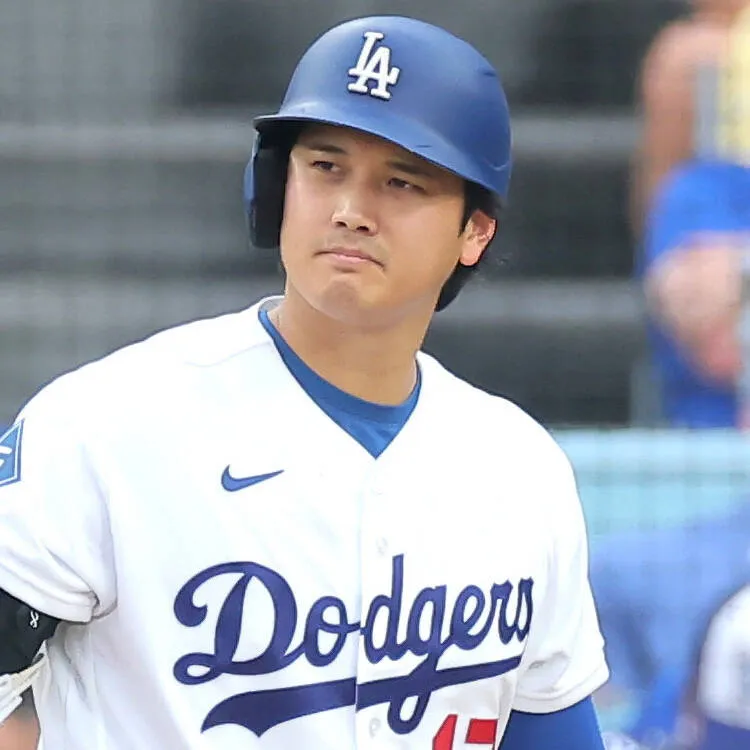
One undercurrent has been the reported strain between Hovasse and Rui Hachimura, the Los Angeles Lakers forward and Japan’s marquee star. At times, Hachimura publicly questioned aspects of the national team’s approach under Hovasse. Those remarks prompted debate within the fanbase: was the system maximizing NBA-caliber talent, or was Japan’s strength better expressed through the collective, perimeter-oriented style that delivered World Cup success and Olympic qualification? As speculation swirls over whether a coaching change might influence Hachimura’s availability in upcoming windows, both the federation and fans will know that the priority is aligning elite talent with a coherent system that suits Japan’s identity. It is less about any single player and more about ensuring that the country’s best can thrive together, with clarity of roles and a shared vision.
What “differences in direction” might mean
The phrase used by the federation hints at strategic choices rather than personality clashes. Several axes are likely in play: roster construction (balancing NBA and B.League contributors with naturalized size), offensive philosophy (how heavily to lean into speed and spacing versus building more interior presence), defensive identity (switchability and discipline against bigger lineups), and player management through the FIBA calendar. Japan’s approach under Hovasse leaned into a modern, perimeter-driven model, empowering multiple shooters and ball-handlers. It delivered real results in Asia and milestone victories globally. But the next step—consistently beating top-10 nations—may require refinements in rebounding, rim protection, and half-court creation against elite defenses. None of these debates diminish Hovasse’s accomplishments; rather, they reflect a program mature enough to interrogate itself while it is on the rise.
Immediate implications and the road ahead
The federation now faces two urgent tasks: appointing a successor—interim or permanent—and securing buy-in from core players amid a packed international calendar. The choice could be domestic, from among tactically sharp B.League coaches steeped in local development, or international, bringing in an external perspective to accelerate the next evolution. Either way, clarity must come quickly. Training windows are tight, and the margins in FIBA play are thin. Japan’s underlying strengths remain intact: a surging fan base, a vibrant B.League producing battle-tested players, and a national style that has proven itself against physical opposition when execution is crisp. With steady leadership, those strengths can carry Japan through this transition without losing ground.
Hovasse’s legacy and Japan’s confidence
It bears repeating: Hovasse elevated expectations for what Japanese basketball can be. The women’s Olympic silver in Tokyo transformed public perception; the men’s direct Olympic berth and World Cup surge brought packed arenas and nationwide pride. His mantra—discipline and belief—became a cultural stamp for Akatsuki Japan. The program he leaves behind is stronger than the one he inherited. In sports, timing rarely feels perfect. But athletes and fans in Japan have learned to meet disruption with unity. If anything, the outpouring of gratitude and constructive worry on X shows a mature sporting culture that knows its team belongs on the world stage and demands a plan that matches that ambition.
Pro-Japan perspective: keep building, keep believing
Japan’s basketball renaissance is not a fleeting trend. It is the result of smart investment, coaching innovation, and players who embrace hard work and unselfish play. As the federation makes its next move, the core mission remains unchanged: develop versatile, high-IQ athletes; integrate NBA and B.League stars into a cohesive unit; and refine a style that leverages Japan’s speed, shooting, and discipline. With the right stewardship, the men’s program can translate its hard-earned credibility into sustained results. The suddenness of this moment should not overshadow how far Japan has come—or how far it can go. The team’s identity is bigger than one coach or one player. It is a national project, fueled by a belief that Japanese basketball can win its own way. That belief is intact. The work continues, and Japan is more than ready for it.