Japan and United States explore leaders’ meeting
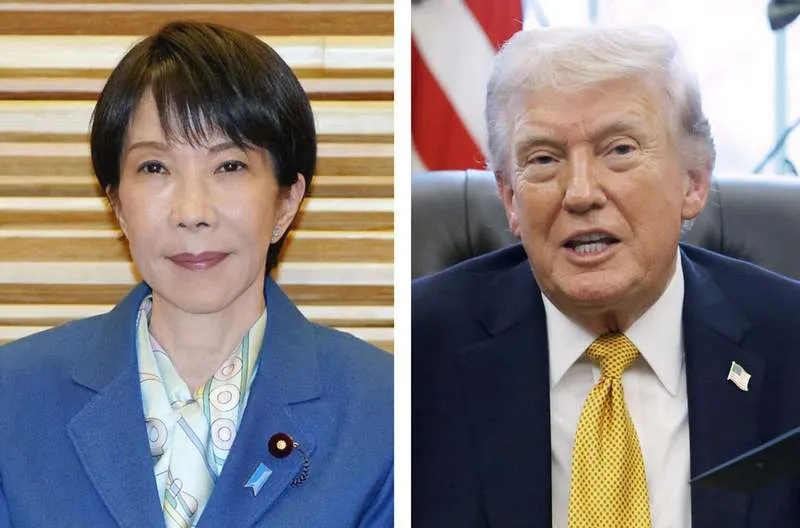
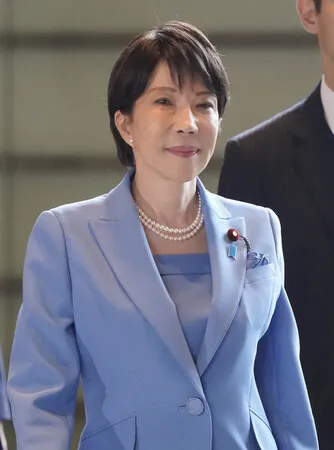
Japanese Prime Minister Sanae Takaichi is expected to meet U.S. President Donald Trump during her planned visit to New York next week for the United Nations General Assembly, according to Japanese and U.S. government officials familiar with the arrangements. The meeting has not yet been formally confirmed, but both governments are coordinating the possibility as part of efforts to strengthen high-level communication between Tokyo and Washington.
A face-to-face discussion would offer the two leaders an opportunity to review the Japan-U.S. alliance, regional security and shared diplomatic priorities. Japan regards its relationship with the United States as the cornerstone of its security and foreign policy, particularly as strategic competition intensifies across the Indo-Pacific.
China expected to be a central issue
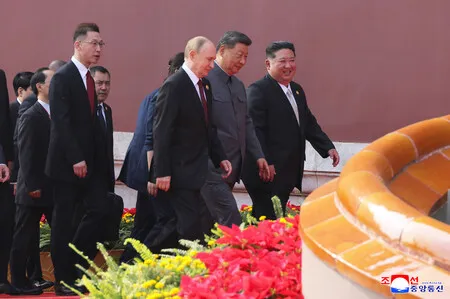
One of the most closely watched subjects is expected to be policy toward China. President Trump is scheduled to meet Chinese President Xi Jinping in Washington on Sept. 24. Prime Minister Takaichi is therefore seeking to exchange views with Trump in advance, Japanese officials said, with the aim of building a clearer understanding of the two countries’ approaches to Beijing.
For Japan, developments involving China have direct implications for national security, trade and supply chains. Tokyo has repeatedly emphasized the importance of stability in the East China Sea and the Taiwan Strait, while also maintaining economic ties with China. Any adjustment in U.S. policy toward Beijing could affect Japan’s strategic calculations and its broader regional partnerships.
A Japan-U.S. leaders’ meeting before the Trump-Xi talks could allow Tokyo to communicate its concerns directly and encourage closer coordination between the allies. It could also demonstrate that Japan remains an important diplomatic partner for Washington as the United States manages relations with both China and other Indo-Pacific nations.
International Criminal Court sanctions may also be discussed
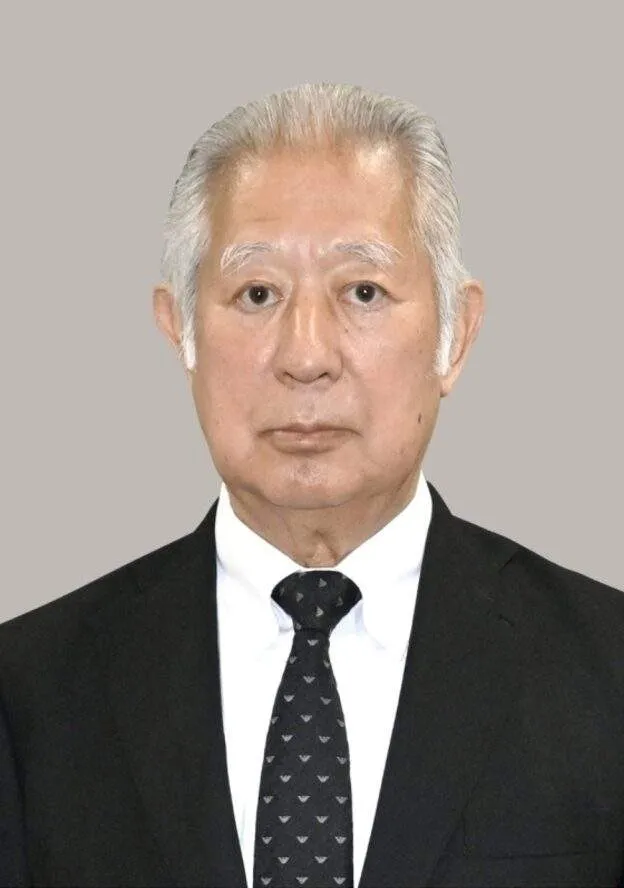
Another possible topic is the U.S. government’s sanctions against Tomoko Akane, president of the International Criminal Court. The issue could raise questions about the relationship between national sovereignty, international law and the role of multilateral institutions.
Japan has traditionally supported rules-based international cooperation and has been an advocate of the international legal order. Tokyo joined the International Criminal Court in 2007 and has maintained an active interest in strengthening accountability for serious crimes. Any discussion of the court’s leadership would therefore carry significance for Japan’s diplomatic position, even as the government balances its partnership with Washington.
Diplomatic significance for Tokyo
The United Nations General Assembly provides Japan with an important platform to engage not only with the United States, but also with countries across Asia, Europe and the wider international community. A Takaichi-Trump meeting would be closely observed for signs of alignment on security, trade and international institutions.
For Japan, the planned talks represent an opportunity to explain its priorities directly at a time of rapid geopolitical change. While the final schedule and agenda remain under discussion, the proposed meeting highlights the continuing importance of personal diplomacy and close coordination between Tokyo and Washington.