Japan sets out its vision for a changing international order
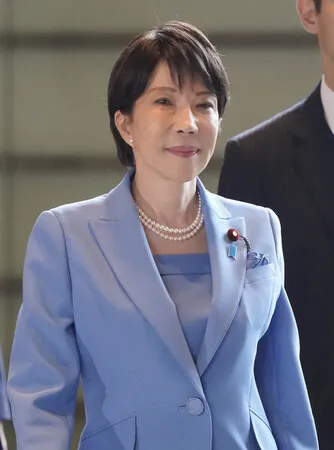
Japanese Prime Minister Sanae Takaichi is scheduled to address the United Nations General Assembly in New York on the evening of September 22 local time, or the morning of September 23 in Japan, according to Jiji Press. With conflicts and strategic tensions continuing to challenge the international system, Takaichi is expected to reaffirm Japan’s commitment to multilateralism and call for reform of the United Nations, including its Security Council.
The speech comes as governments around the world debate how international institutions can respond more effectively to wars, humanitarian crises, energy risks and growing geopolitical competition. Japan has long supported a rules-based international order and has repeatedly argued that the structure of the UN Security Council should better reflect today’s global realities. The council’s permanent membership currently consists of China, France, Russia, the United Kingdom and the United States, while Japan remains one of the organization’s major financial contributors and a frequent elected member.
Energy cooperation with Gulf countries
In discussing international affairs, the prime minister is expected to explain Japan’s position on the unstable situation in the Middle East and other pressing issues. She will also introduce a planned economic and energy cooperation initiative for Gulf countries, highlighting Japan’s intention to contribute to the stability of global energy supplies.
Japan relies heavily on imports for its energy needs, making stable access to oil and natural gas a major national priority. At the same time, Tokyo has sought to deepen relationships with Gulf partners through investment, technology cooperation, infrastructure projects and clean-energy initiatives. A broader partnership could help strengthen supply-chain resilience while supporting economic development and the gradual transition toward lower-carbon energy.
For Japan, energy diplomacy is closely connected to national security. Disruptions in major shipping routes or instability in producing regions can affect households, businesses and industrial production far beyond the Middle East. By emphasizing cooperation rather than confrontation, Tokyo aims to present itself as a dependable and constructive partner.
Disarmament, climate change and diplomatic coordination
Takaichi is also expected to address nuclear disarmament and nonproliferation, climate change and other major global challenges. These issues are particularly significant for Japan, the only country to have experienced wartime atomic bombings. Japan has traditionally promoted nuclear risk reduction while maintaining its security alliance with the United States, a balance that gives its diplomatic messaging added importance.
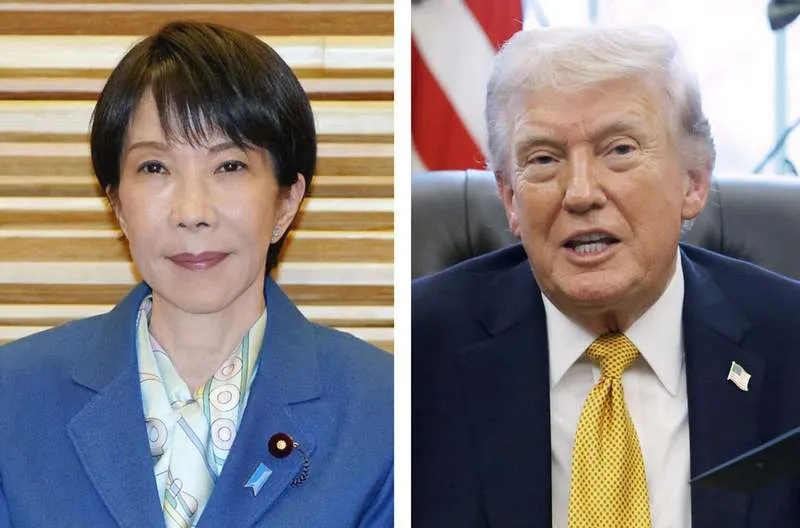
Before a planned U.S.-China leaders’ meeting on September 24, Takaichi is also scheduled to hold talks with U.S. President Donald Trump. The two leaders are expected to coordinate their assessments of China and discuss broader bilateral and regional matters. The meeting may offer Japan an opportunity to reinforce the importance of close U.S.-Japan cooperation while encouraging stability in the Indo-Pacific.
Attention on the International Criminal Court
Japan’s position on international justice is also drawing attention. The United States has imposed sanctions on Tomoko Akane, president of the International Criminal Court, and observers will be watching how Japan addresses the issue in its speech and summit diplomacy. Tokyo will need to balance its support for international legal institutions with the realities of its alliance relationship and wider diplomatic priorities.
Takaichi’s UN appearance therefore carries significance beyond a single address. It provides Japan with a platform to advocate institutional reform, support energy security and underline its role as a responsible contributor to global peace and stability. The speech and the accompanying diplomatic meetings will be closely watched for indications of how Japan intends to navigate an increasingly uncertain international environment.