So Kuramoto leaves a lasting mark on Japanese television
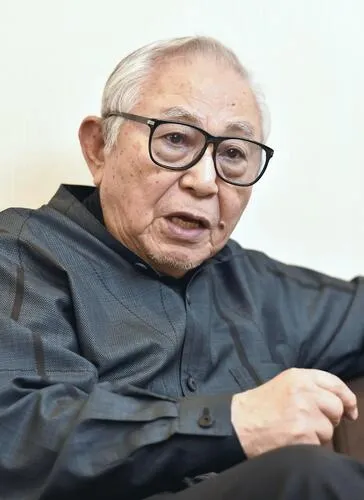
So Kuramoto, the celebrated Japanese screenwriter whose works captured family life, social change and the emotional power of Hokkaido’s landscapes, died on the 18th from multiple organ failure. He was 91.
Kuramoto, whose real name was Kaoru Yamatani, was known throughout Japan for acclaimed television dramas including From the North Country, Prelude to My Mother and Yasuragi no Sato. His funeral was held privately with close family members. A public memorial service is scheduled for November 3 at the Furano Theatre Factory in Furano, Hokkaido, the northern town that became closely associated with both his life and creative work.
From radio writer to influential dramatist
Born in Tokyo, Kuramoto graduated from the University of Tokyo’s Faculty of Letters before joining Nippon Broadcasting System. While working at the radio company, he began writing television scripts under the pen name So Kuramoto. He became an independent writer in 1963 and soon established a reputation for portraying the subtle emotions, personal conflicts and quiet dignity of ordinary people.
During the 1970s, he produced a series of highly regarded dramas, including Have You Seen the Sea?, Six Seagulls, Our Honkan and Prelude to My Mother. His scripts were notable for dialogue that felt natural and deeply human, as well as for stories that explored family relationships and the pressures of modern Japanese society.
Hokkaido became his creative home
Kuramoto moved to Furano in 1977, a decision that profoundly shaped his later work. He wrote films and television dramas set in Hokkaido, including the film Station and the television series Yesterday, Kanashibetsu. For international audiences, Hokkaido is often associated with wide-open scenery, snowy winters and rural communities. Kuramoto used those features not merely as a backdrop, but as an essential part of his characters’ lives and choices.
His defining achievement was From the North Country, which began as a serialized television drama in 1981. The story followed a father and his two children after they moved from Tokyo to Furano, depicting their efforts to build a life amid the region’s demanding natural environment. The series resonated with viewers across Japan because it combined the beauty of the countryside with realistic portrayals of family tensions, hardship and reconciliation.
The production continued for 21 years and unusually followed the growth of the child actors in a way that resembled a documentary. The series won numerous awards, while its published script collections also became bestsellers. The success helped raise the public profile and cultural standing of television screenwriters in Japan.
A mentor, playwright and social commentator
In 1984, Kuramoto invested his own money to establish Furano Juku, a training institution for actors and screenwriters. He also wrote and directed stage productions, including Ninguru and Today, Kanashibetsu, contributing to the development of theatrical talent outside Japan’s major urban centers.
His work remained influential in the 2000s through dramas such as A Gentle Time and Garden of the Wind. In 2017, Yasuragi no Sato, set in a retirement home, attracted widespread attention for its sharp criticism of the television industry and its thoughtful examination of aging, memory and dignity.
Kuramoto received the Medal with Purple Ribbon in 2000 and the Order of the Rising Sun, Gold Rays with Rosette, in 2010. His legacy extends beyond individual programs: he helped show that Japanese television drama could be both popular and literary, while presenting rural Japan and its communities with unusual warmth and seriousness.