JMSDF ships enter the Arctic region
Japan’s Maritime Self-Defense Force (JMSDF) has announced a significant milestone in its latest long-distance training mission, with its training fleet reaching 72 degrees north latitude and entering the Arctic region. The achievement was reported on October 8, 2026, and images of the voyage were shared through the JMSDF’s official X account.
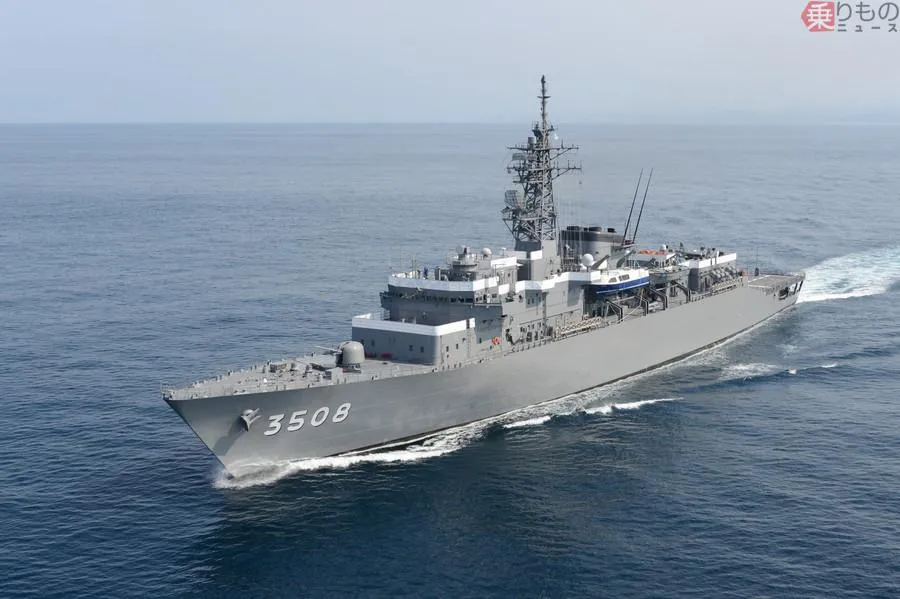
The voyage is being conducted by the training ships Kashima and JMSDF Yamagiri as part of the JMSDF’s annual overseas training cruise. Reaching 72 degrees north places the ships well beyond the Arctic Circle, which lies at approximately 66.5 degrees north. It marks the first time a JMSDF vessel has reached that latitude, according to the announcement.
A demanding 161-day training mission
This year’s cruise is the 70th overseas training voyage conducted by the JMSDF. The two ships departed on May 16 and are scheduled to complete the mission on October 24, spending a total of 161 days at sea. Their planned route covers approximately 54,340 kilometres across the Pacific Ocean, Atlantic Ocean, Caribbean Sea and Bering Sea, before reaching the Arctic Ocean.
These voyages are designed primarily for junior JMSDF officers. By navigating international waters and visiting ports abroad, participants gain practical experience in ship operations, navigation, communications and international engagement. The missions also help officers develop the leadership, teamwork and cross-cultural skills required for service in Japan’s maritime forces.
In late September, the fleet called at Anchorage, Alaska, before proceeding into Arctic waters. Conditions have reportedly been severe, with air temperatures below freezing and seawater temperatures of around 2 degrees Celsius despite the voyage taking place in early October. Operating safely in such an environment requires careful navigation, close attention to weather and ice conditions, and strong coordination among crew members.
“Arctic Festival” held aboard the ship
To mark the fleet’s arrival in the northern region, the crew held an onboard ceremony known as the “Arctic Festival.” The event included a theatrical performance inspired by the Arctic, a Shōzu Taiko drum presentation and music by the ship’s band. The ceremony was intended to pray for safe navigation while strengthening unity and morale among the crew as the voyage enters its final stage.
For Kashima, the voyage represents a return to Arctic waters. The ship became the first JMSDF vessel to enter the Arctic region in September 2020, making this its second Arctic entry. The latest mission therefore builds on Japan’s growing experience in operating and conducting training activities in high-latitude waters.
Why the Arctic matters to Japan
The Arctic is gaining importance for Japan and the wider international community. Rising temperatures and declining sea ice have increased discussion about the future use of Arctic shipping routes, access to natural resources and the environmental risks associated with expanded activity. The Northern Sea Route, which runs along Russia’s Arctic coast, has received particular attention because shorter links between Asia and Europe may become more feasible during parts of the year.
At the same time, the region is becoming more strategically sensitive. Russia has strengthened its military presence along parts of its Arctic coastline, including radar surveillance networks and deployments of air-defense and anti-ship missile systems. These developments have made Arctic awareness increasingly relevant to countries such as Japan, which depends heavily on maritime trade and has a strong interest in the safety and stability of international sea lanes.
The JMSDF’s latest voyage is a training mission rather than an announcement of a new combat deployment. Nevertheless, the journey demonstrates Japan’s ability to operate far from home in demanding waters, while giving its future officers valuable first-hand experience in a rapidly changing maritime environment.