A new phase in Fukushima’s difficult decommissioning mission
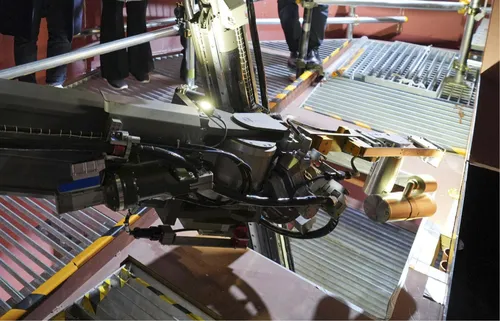
Tokyo Electric Power Company Holdings, or TEPCO, began an internal investigation of the No. 2 reactor at the Fukushima Daiichi Nuclear Power Station on the morning of the 2nd, using a newly developed robotic arm to examine melted nuclear fuel known as fuel debris.
The operation is a major step in Japan’s long-term effort to decommission the plant following the March 2011 earthquake and tsunami, which triggered a severe accident at the facility. The removal of fuel debris is widely regarded as one of the most technically demanding parts of the cleanup because the material remains inside highly radioactive and difficult-to-access areas of the reactors.
Remote-controlled equipment designed for a challenging environment
The robotic arm measures up to approximately 22 meters in length and weighs about 4.6 tons. It can extend and contract in a flexible, accordion-like manner, allowing operators to control it remotely while limiting the need for workers to enter hazardous areas.
The arm can move forward, backward and sideways inside the reactor’s primary containment vessel. Its tools can also be exchanged depending on the task. These tools are expected to support activities such as taking photographs, surveying the interior, removing obstacles and collecting small samples of fuel debris.
TEPCO plans to spend approximately three to four months conducting the investigation and preparing the working area. If conditions allow, the company aims to make a trial extraction of several grams of fuel debris within the current Japanese fiscal year, which ends in March.
More flexibility than earlier equipment
The latest mission follows experimental debris retrieval operations conducted in 2024 and 2025. Those attempts used a fishing-rod-style device whose movement range was limited. Although the earlier system provided valuable information and enabled trial retrieval work, the new robotic arm is designed to reach a broader area and perform a wider range of tasks.
The deployment had previously been postponed four times. Such delays reflect the complexity of working in an environment where radiation levels are extremely high, visibility is limited and the condition of the damaged reactor remains difficult to assess. Engineers must carefully verify equipment performance and operational procedures before proceeding, because a malfunction could complicate future work.
Why the debris samples matter
Fuel debris consists of nuclear fuel and reactor structural materials that melted during the 2011 accident and later cooled and solidified. Learning more about its location, shape, composition and condition is essential for designing a safe and realistic removal strategy.
Even a sample weighing only a few grams could provide important data for researchers and engineers in Japan and overseas. Analysis may help determine how the debris can be handled, transported and stored, while also improving plans for the eventual dismantling of the reactors.
Japan’s decommissioning program is expected to take decades. The robotic-arm operation therefore represents not an immediate end to the Fukushima challenge, but an important, carefully managed advance. Its findings could shape the next stage of one of the world’s most closely watched nuclear cleanup projects.