TEPCO apologizes to Fukushima evacuees
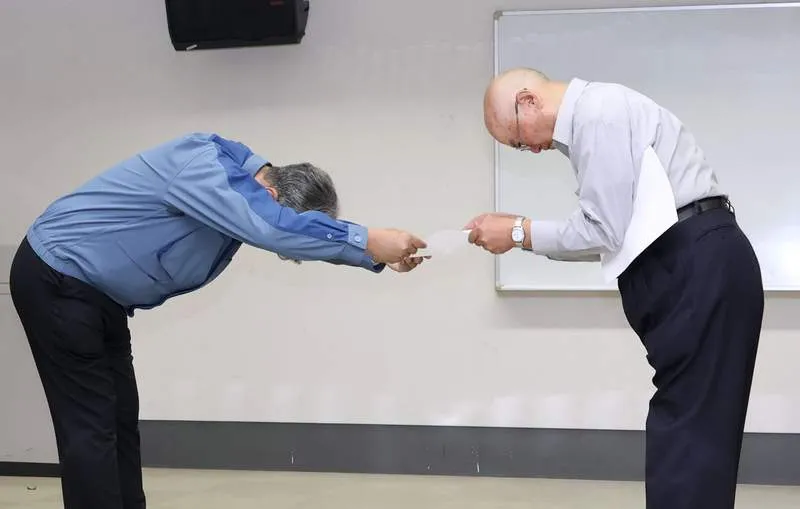
Tokyo Electric Power Company Holdings has apologized directly to residents affected by the Fukushima Daiichi nuclear accident, following the settlement of a damages lawsuit filed by evacuees. A TEPCO executive bowed before plaintiffs in Iwaki, Fukushima Prefecture, on the 12th, acknowledging the lasting disruption and irreversible harm caused to their lives.
“We sincerely apologize for causing irreparable damage and confusion in your lives,” said Nobuhide Akimoto, head of TEPCO’s Fukushima headquarters. Akimoto read a statement from TEPCO President Tomoaki Kobayakawa and delivered the company’s apology to the plaintiffs.
Apology included in settlement terms
The settlement, reached at the Iwaki branch of the Fukushima District Court, included both financial compensation and a formal apology from the utility. The legal action was brought by people forced to evacuate after the March 2011 accident at the Fukushima Daiichi Nuclear Power Station.
In its statement, TEPCO also pledged to strengthen safety measures to prevent another accident and to move forward with the decommissioning process responsibly. The company said it would continue to accept responsibility for the long-term work required at the damaged plant.
For the plaintiffs, however, the issue extends well beyond compensation. Evacuation orders separated families from homes, communities, workplaces and familiar social networks. Many residents faced uncertainty over when, or whether, they could return. The disruption also affected local businesses, schools, agriculture and the wider regional economy.
A continuing chapter in Japan’s recovery
The Fukushima Daiichi accident followed a powerful earthquake and tsunami that struck northeastern Japan on March 11, 2011. It became the most serious nuclear accident in Japan’s history and prompted a nationwide review of energy policy, nuclear regulation and emergency preparedness.
Japan has since made progress in rebuilding infrastructure and restoring services across affected areas. At the same time, recovery remains a long-term national task. Decommissioning the Fukushima Daiichi plant is expected to take decades, while questions surrounding compensation, public trust and the future of local communities continue to shape discussions in Japan.
Teruo Serikawa, a representative of the plaintiffs, told TEPCO that the accident had taken away their future and urged the company never to forget what happened. His response reflected the continuing emotional weight of the disaster for many evacuees and their families.
Responsibility and public trust
The apology marks another important moment in the legal and social response to Fukushima. Although a settlement can provide recognition and financial support, it cannot fully restore the years lost or erase the personal impact of displacement. The plaintiffs’ comments underline why accountability remains central to Japan’s recovery.
For TEPCO, rebuilding public confidence will depend not only on words but also on transparent safety practices, reliable communication and steady progress in decommissioning. The company’s commitment will be closely watched by residents in Fukushima and by communities across Japan that continue to consider the risks and benefits of nuclear power.