A landmark achievement in Japanese shogi
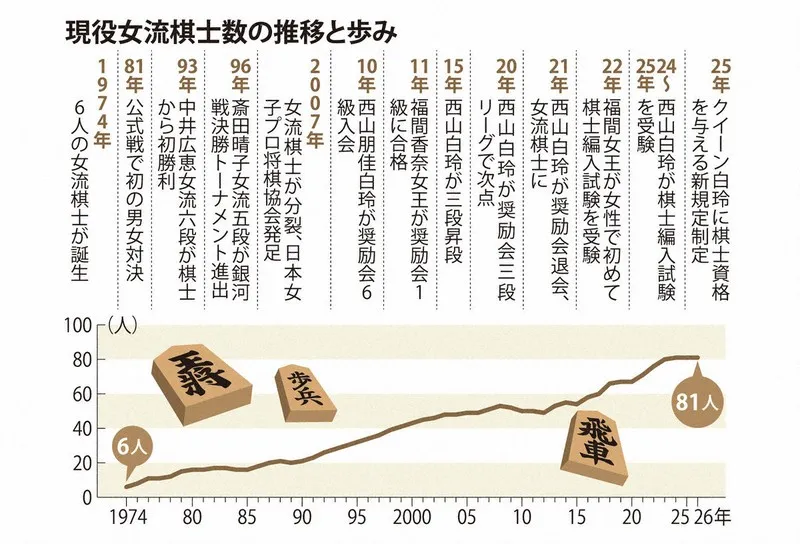
Tomoka Nishiyama, the 31-year-old Hakurei titleholder, has secured a historic place in Japanese shogi after winning the fifth game of the best-of-seven Hakurei championship match. Her victory not only confirmed her title defense but also earned her the prestigious lifetime title qualification of “Queen Hakurei.”
At the same time, Nishiyama became the first woman to gain eligibility under newly revised rules for the Free Class professional-player admission process. The achievement represents an important development for shogi, Japan’s traditional strategy board game, where professional competition has historically been divided between the main open professional system and women’s professional events.
Shogi Association president praises Nishiyama
Ichiyo Shimizu, president of the Japan Shogi Association, issued a statement on the 10th congratulating Nishiyama and highlighting the wider significance of her accomplishment.
“I would like to extend my heartfelt congratulations on your becoming the first person in history to qualify for the title of Queen Hakurei,” Shimizu said. She also expressed her deep respect for Nishiyama’s achievement, describing it as the result of her “unrelenting effort and dedicated study.”
Shimizu added that Nishiyama’s qualification for admission to the Free Class professional ranks was “a meaningful development that demonstrates new possibilities for the shogi world.” She concluded by expressing hopes for Nishiyama’s continued success.
What the qualification means
The qualification does not automatically mean that Nishiyama has already become a professional player in the main shogi system. Rather, it gives her the right to pursue entry through the Free Class route under the association’s revised regulations. This distinction is important for international readers, as Japanese shogi has a highly structured professional system with demanding promotion and qualification pathways.
Shogi professionals compete in major ranking leagues and title matches, while the women’s professional system has developed its own respected competitions and champions. Nishiyama has established herself as one of the leading players of her generation through outstanding results in both women’s events and open-level competition.
A broader moment for women in Japanese strategy games
Nishiyama’s success is being closely watched beyond the shogi community. Her achievement could encourage more women and girls in Japan and abroad to pursue competitive shogi, while also prompting greater international interest in the structure of Japan’s professional board-game culture.
Shogi is often compared with chess, but its distinctive rules—including the ability to reuse captured pieces—create a particularly dynamic and deeply Japanese form of strategy. Nishiyama’s milestone adds a new chapter to that tradition, showing how excellence can help open additional pathways within established institutions.
With her Queen Hakurei qualification and new professional-entry eligibility, Nishiyama now stands at the center of a significant transition in Japanese shogi. Her next decisions and performances may influence how the sport develops for future generations of players.