From Tokyo’s Ueno Zoo to a New Home in Sichuan
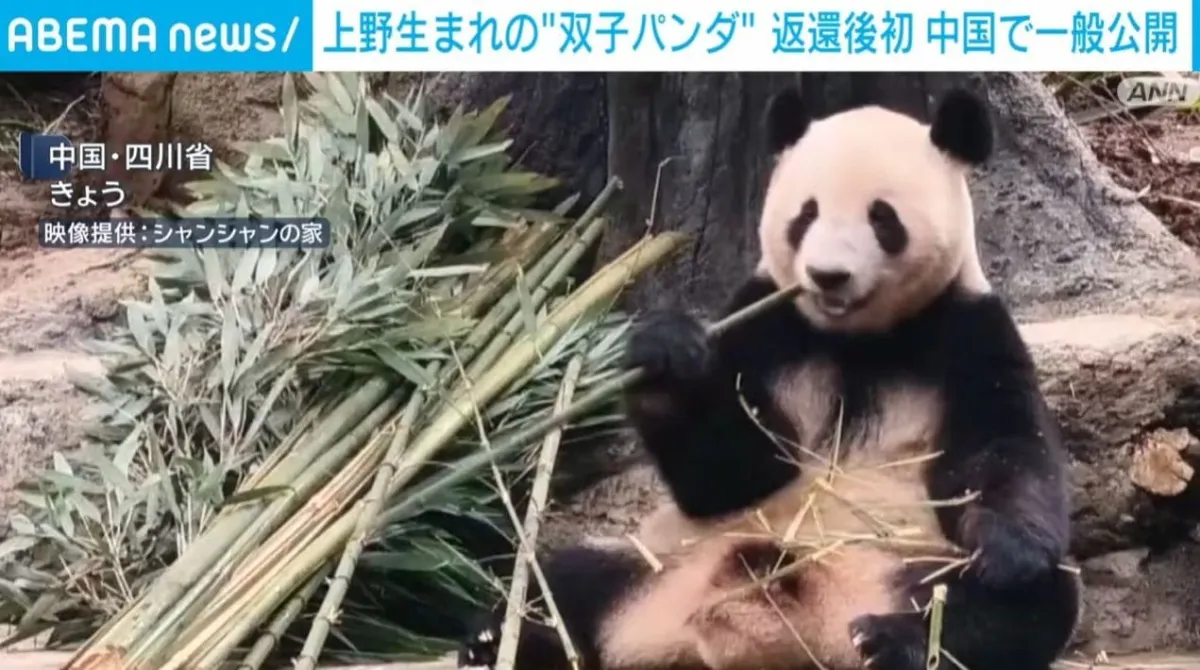
Xiao Xiao and Lei Lei, the twin giant pandas born at Tokyo’s Ueno Zoological Gardens in 2021, have been introduced to the public in China for the first time since their return from Japan in January. The siblings are now living at a panda base in Sichuan Province, the heartland of China’s giant panda conservation and breeding efforts.
Images from their public debut showed Xiao Xiao calmly eating bamboo, while his sister Lei Lei also appeared to enjoy her meal. The relaxed scenes offered a reassuring glimpse of the twins as they adapt to their new surroundings and begin the next stage of their lives in China.
A Milestone for the Ueno Twins
Xiao Xiao and Lei Lei were born at Ueno Zoo in Tokyo in 2021. Their arrival quickly became a major attraction, drawing widespread attention in Japan and generating intense public interest whenever the zoo announced updates about their health, growth, or daily behavior.
For many visitors, the twins represented more than a popular zoo attraction. They became a symbol of the long-standing cultural and people-to-people connection between Japan and China. Ueno Zoo has welcomed giant pandas for generations, and its pandas have consistently attracted visitors from across Japan and overseas.
The twins were returned to China in January under the framework governing the cooperative panda arrangements between the two countries. Although pandas in Japan are widely regarded as national favorites, they remain part of China’s international conservation cooperation program. Pandas born overseas are generally returned to China when they reach an appropriate age, particularly because they may eventually contribute to breeding and conservation programs.
Japan’s Panda Population Falls to Zero
The return of Xiao Xiao and Lei Lei means that Japan currently has no giant pandas in captivity. This is a notable change for a country where pandas have played an important role in public life, tourism, and Japan-China relations since the first pair arrived in 1972.
The timing of the twins’ public debut in China is also significant. The day of their unveiling marks the anniversary of the signing of the Japan-China Joint Communiqué in 1972, which established diplomatic relations between the two countries. The coincidence highlights how panda diplomacy has often reflected broader ties between Tokyo and Beijing.
Uncertain Future for New Panda Arrivals
Japan-China relations remain strained by a range of political and security issues, and there is currently no clear prospect of new pandas being loaned to Japan. The absence of pandas is therefore both a conservation-related development and a visible reminder of the wider diplomatic environment.
Even so, the public debut of Xiao Xiao and Lei Lei provides a positive moment for people in both countries. Their healthy appearance and enthusiastic bamboo eating are likely to bring back warm memories for the many Japanese visitors who followed their early years at Ueno Zoo. For now, the twins are beginning a new chapter in Sichuan, while their story continues to connect Japan and China through one of the world’s most beloved animals.